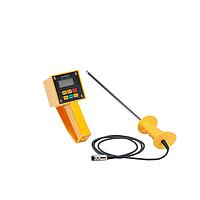
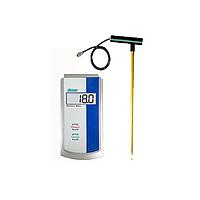
Grass and Straw moisture meters Inspection Service
Reliable moisture readings are critical when hay, straw, and similar baled materials are stored, traded, or prepared for further use. Even a small measurement error can affect drying decisions, storage safety, and quality control, which is why a professional Grass and Straw moisture meters Inspection Service plays an important role in agricultural and industrial workflows.
This service category is intended for users who need their moisture meters checked for proper performance, consistent readings, and overall condition before the device is returned to daily field or warehouse use. It is especially relevant for businesses that depend on repeatable moisture measurement to reduce spoilage risk and support more confident handling of agricultural materials.
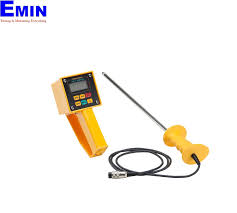
Why inspection matters for grass and straw moisture meters
Moisture meters used on grass and straw often operate in demanding environments, including farms, storage areas, processing sites, and outdoor handling points. Over time, routine use, environmental exposure, and mechanical wear can influence the condition of probes, sensing parts, connectors, and display behavior. An inspection helps identify whether the instrument is still suitable for dependable measurement work.
For operations that regularly check bale condition, drying status, or incoming material quality, inspection is a practical preventive step. It helps users detect issues before they lead to inaccurate readings, unnecessary product loss, or avoidable rework. Businesses that also work with broader crop testing equipment may find related support under moisture meter inspection for agricultural products.
What this inspection service typically supports
A professional inspection service focuses on the overall health and operating condition of the device rather than simply checking whether it powers on. Depending on the instrument and service scope, this can include review of visible physical condition, sensor response, basic functional behavior, and whether the meter appears to deliver stable and plausible readings in normal use conditions.
This is particularly valuable for instruments used in seasonal harvesting cycles, where equipment may remain idle for part of the year and then return to intensive use. A pre-season or routine inspection can help confirm that the meter is ready for field checks, storage verification, and receiving inspections without unexpected performance concerns.
Common situations where inspection is needed
Many users send in a meter for inspection after noticing inconsistent moisture values between bales, slower response, unstable display behavior, or signs of physical wear. In other cases, the need is more procedural: internal maintenance schedules, equipment fleet reviews, or quality assurance requirements can all justify periodic checks.
Inspection is also useful when comparing different moisture measurement tools across an operation. If your workflow includes other humidity or moisture-related devices, related services such as soil moisture meter inspection or dehumidifier inspection may also help maintain consistency across the wider monitoring process.
Representative services and supported brands
This category includes inspection support for selected instruments and service references from established manufacturers used in moisture measurement. Examples include the PCE range, DRAMINSKI, and G-WON, each of which is associated with inspection service entries in this category context.
Representative items include the PCE Hay and Straw Moisture Meter Inspection Service, DRAMINSKI Hay and Straw Moisture Meter Inspection Service, and G-WON Hay and Straw Moisture Meter Inspection Service. These examples show the practical focus of the category: support for hay and straw moisture measuring devices that are used where dependable readings directly affect handling and storage decisions.
How to choose the right inspection service
When selecting a service, it helps to confirm the device type, manufacturer, and intended application first. Grass and straw moisture meters may be used under different handling conditions, so matching the inspection request to the actual instrument and use case can save time and improve service relevance.
It is also sensible to consider the symptoms that led to the service request. For example, intermittent readings, suspected sensor drift, or concerns after transport or heavy seasonal use can each point to different inspection priorities. Providing clear information about the meter’s behavior, operating environment, and usage pattern helps streamline the process and supports more accurate evaluation.
Benefits for agricultural and storage operations
For farms, feed suppliers, agricultural trading businesses, and storage facilities, a checked moisture meter supports more confident decisions about drying, storage readiness, and material acceptance. This reduces the chance of relying on questionable measurements when evaluating whether grass or straw is within an acceptable moisture condition for the next processing or storage step.
From an operational point of view, inspection service helps extend the useful life of measuring equipment by identifying issues earlier. It also supports better planning for maintenance and equipment rotation, especially where multiple meters are used across harvest, storage, and distribution activities.
Inspection service as part of a broader moisture control workflow
Grass and straw measurement is only one part of moisture management in many facilities. Storage areas, handling rooms, and production environments may also depend on humidification or drying equipment to maintain suitable ambient conditions around agricultural materials and finished goods.
When moisture control spans both products and the surrounding environment, it can be useful to review related services such as humidifier inspection. Taking a broader view helps businesses align device condition, environmental control, and quality monitoring in one maintenance strategy.
Practical guidance before sending a meter for inspection
Before arranging service, users should prepare the basic equipment details, including the manufacturer, model reference, and a short description of the issue observed in normal use. Notes about when the problem occurs, whether the reading fluctuates, and how the meter is typically used on grass or straw can all make the inspection process more efficient.
It is also helpful to check the condition of accessories, probes, and visible connection points before shipment or handover. A clear service request supports faster handling and helps ensure the moisture meter is assessed in a way that reflects its real operating context.
Choosing the right grass and straw moisture meter inspection option is ultimately about protecting measurement reliability where it matters most: material quality, storage safety, and day-to-day operating decisions. With the right service scope and clear device information, businesses can keep their moisture monitoring tools in better working condition and reduce uncertainty in routine checks.
Get exclusive volume discounts, bulk pricing updates, and new product alerts delivered directly to your inbox.
By subscribing, you agree to our Terms of Service and Privacy Policy.
Direct access to our certified experts