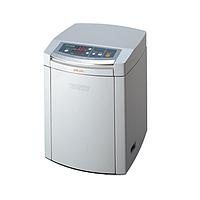
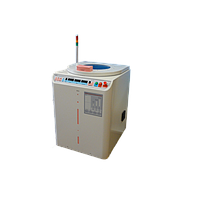
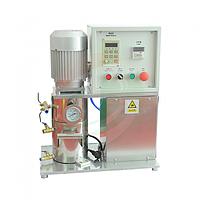
Centrifugal Mixer Inspection Service
Reliable mixing performance matters in laboratories and production environments where paste, resin, adhesive, ink, slurry, or other sensitive materials must be prepared consistently. When a mixer begins to drift from expected operation, even small changes in speed balance, vacuum condition, timing, or agitation behavior can affect process repeatability. A professional Centrifugal Mixer Inspection Service helps verify equipment condition, identify early signs of wear, and support stable day-to-day operation.
This service category is relevant for organizations that rely on centrifugal, vacuum, touch, or vortex mixing systems as part of material preparation, R&D, electronics manufacturing, battery work, chemical handling, or laboratory workflows. Rather than treating inspection as a reactive task after failure, many users schedule routine checks to reduce unplanned downtime and maintain confidence in mixing results.
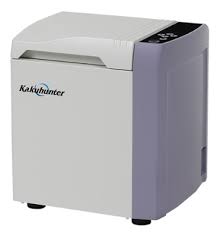
Why mixer inspection is important
Centrifugal mixers are often used in processes where air removal, homogeneous blending, and controlled material handling are all important at the same time. Over time, mechanical stress, repeated cycling, contamination, and routine use can influence how the equipment starts, runs, and stops. Inspection helps detect issues before they become larger maintenance problems.
For many facilities, the goal is not only equipment uptime but also process consistency. If material quality depends on repeatable mixing behavior, periodic inspection becomes part of broader quality control. This is especially relevant when the mixer supports a validated workflow or feeds downstream operations that are sensitive to variation.
What a centrifugal mixer inspection service supports
A proper inspection service is typically used to evaluate overall equipment condition, operating response, and whether the system remains suitable for regular use. Depending on the equipment type, this may include review of core operating functions, visible condition, control behavior, and signs of abnormal wear or instability during operation. The purpose is to give users a practical understanding of current machine status rather than relying only on visual checks by operators.
In this category, the service scope may apply to different mixer styles used across laboratories and industrial settings. For example, users looking after dedicated centrifugal systems may also review related options under centrifugal mixer inspection service when standardizing maintenance planning across multiple workstations.
Common equipment covered in this category
The category includes inspection services associated with representative mixer platforms from established manufacturers. Examples include the Thinky environment for centrifugal mixing applications, along with service references such as Thinky Centrifugal Mixer Inspection Service, Malcom Vacuum Mixing System Inspection Service, Yamato Touch Mixer Inspection Service, and Labstac Vortex Mixer Inspection Service.
These examples illustrate that inspection demand is not limited to one mixer architecture. Some users need support for vacuum mixing systems, while others operate touch-controlled or vortex-based equipment in research or production areas. Even when machine designs differ, the service objective remains similar: confirm operating condition and help users manage reliability with less uncertainty.
How to judge when inspection may be needed
In many cases, equipment does not fail suddenly without warning. Operators may notice longer cycle completion, unusual vibration, inconsistent mixing results, abnormal noise, display or control irregularities, or reduced confidence in batch repeatability. Any of these signs can justify a closer inspection, especially when the mixer handles high-value or difficult-to-process material.
Inspection is also advisable after heavy usage periods, relocation, preventive maintenance intervals, or before restarting equipment that has been idle for an extended time. Facilities that maintain multiple types of laboratory equipment often combine inspection planning with related services such as centrifuge inspection service to keep rotating equipment under a more consistent maintenance framework.
Choosing the right service approach
Not every lab or production site uses mixers in the same way, so the right inspection approach depends on utilization level, material sensitivity, and internal quality requirements. A development lab may focus on preserving repeatability for small-batch experiments, while a manufacturing team may prioritize uptime and predictable operation for routine production cycles. Understanding how the mixer fits into the workflow helps define inspection frequency and urgency.
It is also useful to consider equipment age, maintenance history, and whether the system is part of a broader controlled environment. In regulated or contamination-sensitive spaces, users sometimes coordinate mixer inspection with other laboratory asset checks, including services such as biosafety cabinet inspection service when multiple critical systems are managed together.
Brand-specific context without overcomplicating procurement
Many buyers start with the manufacturer because each platform has its own operating style, interface, and maintenance expectations. Brands such as Thinky, Yamato, Malcom, and Labstac are relevant references in this category because users often search for inspection support based on installed equipment rather than generic service terms alone.
At the same time, procurement teams usually need a clear service path rather than excessive model-by-model complexity. This category helps organize inspection demand around the actual equipment in use, whether that involves a vacuum mixing system, a centrifugal mixer, a touch mixer, or a vortex mixer. The result is a more practical starting point for service selection, planning, and internal maintenance coordination.
When this category is useful for laboratories and manufacturers
This category is especially useful when your team is responsible for maintaining operational readiness across mixing equipment used in testing, formulation, sample preparation, or material processing. It provides a focused path for users who already know they need inspection support for mixer-related assets and want a service category aligned with laboratory equipment maintenance.
For organizations managing a wider service program, it can also sit alongside inspection categories for sterilization, cold storage, and other lab systems. That makes it easier to structure service procurement, compare asset priorities, and schedule inspections in a way that supports both compliance and productivity.
Final considerations
Keeping mixer performance dependable is less about reacting to breakdowns and more about maintaining control over the process conditions that matter to your work. A well-targeted inspection service helps identify equipment issues earlier, supports stable operation, and gives maintenance or quality teams a better basis for decision-making.
If your operation depends on consistent material preparation, this category offers a practical route to evaluate mixer condition across several common equipment types and brands. Whether you are supporting R&D, laboratory routines, or production workflows, regular inspection can be an effective step toward better equipment reliability and more predictable results.
Get exclusive volume discounts, bulk pricing updates, and new product alerts delivered directly to your inbox.
By subscribing, you agree to our Terms of Service and Privacy Policy.
Direct access to our certified experts