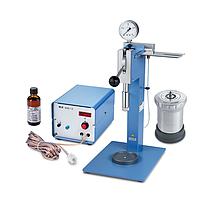
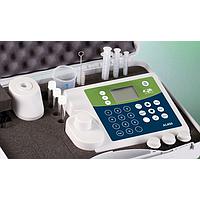
Sample Destructors Inspection Service
Reliable sample preparation depends on more than operator skill alone. In laboratories that handle chemical digestion, decomposition, or aggressive sample breakdown steps, routine inspection helps maintain safe operation, stable heating performance, and confidence in analytical workflows. That is why Sample Destructors Inspection Service is an important part of preventive maintenance for many testing and research environments.
This service category is intended for laboratories that use sample destruction or decomposition equipment as part of wet chemistry, environmental analysis, food testing, materials evaluation, or related laboratory procedures. Regular inspection can help identify wear, abnormal operating behavior, and conditions that may affect repeatability before they become larger service issues.
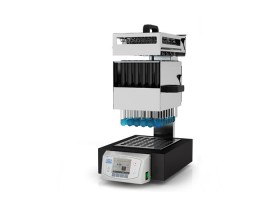
Why inspection matters for sample destruction equipment
Equipment used to break down samples is often exposed to heat, chemical vapors, corrosive residues, and repeated operating cycles. Over time, these conditions may influence temperature consistency, physical integrity, control response, and overall working condition. A structured inspection supports safer day-to-day use and helps laboratories plan maintenance more effectively.
In practice, inspection is not only about finding faults after a failure. It is also about checking whether the unit continues to operate within expected conditions for the application, especially in workflows where sample preparation directly influences the quality of downstream measurement and analysis.
Typical laboratory environments that use this service
This category is relevant for laboratories where sample decomposition is part of routine preparation before testing. That may include environmental laboratories processing water or soil samples, industrial quality control labs, academic research facilities, and chemical testing environments where samples must be treated before further analysis.
Because sample preparation sits early in the analytical chain, any instability at this stage can affect the usefulness of later results. Laboratories that already schedule inspections for related equipment such as centrifuge inspection service or centrifugal mixer inspection service often benefit from including sample destruction systems in the same maintenance approach.
What an inspection service generally helps you evaluate
A professional inspection typically focuses on the overall condition of the equipment and the main elements that affect function, safety, and repeatability. For sample destructors, that usually means reviewing the visible condition of the unit, signs of chemical attack or wear, control and response behavior, and whether the equipment appears suitable for continued operation in its current state.
Depending on the equipment design and laboratory process, inspection may also help identify issues related to heating stability, structural condition, user safety, and signs of abnormal deterioration caused by demanding sample preparation routines. This is especially valuable in laboratories with frequent use cycles or exposure to harsh reagents.
- General operating condition and physical wear
- Signs of corrosion, residue buildup, or heat-related stress
- Control behavior and response during use
- Suitability for continued laboratory operation
Examples of supported brands in this category
This category includes inspection services for equipment from established laboratory brands commonly used in analytical and preparation workflows. Examples available on this page include solutions associated with HACH, IKA, Aqualytic, and VELP.
Representative service listings include Hach Sample Demolitions Inspection Service, IKA Sample Demolitions Inspection Service, Aqualytic Sample Demolitions Inspection Service, and VELP Sample Demolitions Inspection Service. These examples help illustrate brand coverage, but the main value of the category lies in supporting laboratories that need a practical inspection pathway for this type of equipment.
How to choose the right inspection service for your lab
When selecting a service, it is useful to start with your actual operating conditions. Consider how often the equipment is used, the types of samples processed, the chemicals involved, and whether the unit is part of a regulated or quality-controlled workflow. Laboratories with heavier workloads or aggressive sample matrices often need closer attention to equipment condition.
It is also helpful to align inspection planning with the rest of your laboratory equipment schedule. For example, if your facility also manages thermal or containment devices, related services such as autoclave sterilizer inspection service or biosafety cabinet inspection service may be relevant within a broader maintenance program.
Benefits of routine inspection in analytical workflows
The most immediate benefit of regular inspection is better visibility into equipment condition. Instead of waiting for unexpected downtime, laboratories can respond earlier to wear, instability, or safety concerns. This supports smoother scheduling, reduced disruption, and a more controlled maintenance strategy.
There is also a quality-related benefit. Sample destruction is often a preparatory step that influences subsequent testing, so maintaining the equipment in acceptable condition supports process consistency across batches, operators, and time periods. For laboratories that depend on traceable, repeatable preparation routines, this can be an important operational advantage.
When to arrange an inspection
Many laboratories schedule inspections at regular intervals as part of preventive maintenance. However, additional inspection may be worth considering after intensive use periods, after relocation, when operators notice unusual behavior, or when visible deterioration appears on surfaces or functional areas of the equipment.
Changes in workflow can also be a trigger. If a sample destructor begins handling different sample types, stronger reagents, or more frequent processing cycles, a new review of the equipment condition may help confirm whether the unit remains appropriate for current use.
Supporting safer and more reliable laboratory operation
Equipment inspection is most valuable when it is treated as part of the laboratory’s overall reliability plan rather than a one-time task. For sample destruction systems, regular review helps laboratories balance safety, operational continuity, and confidence in sample preparation activities.
If your laboratory relies on decomposition or destructive preparation steps before analysis, this category provides a practical route to evaluate the condition of that equipment. A well-timed inspection service can help you maintain dependable operation, reduce avoidable interruptions, and support better control over critical preparation stages.
Get exclusive volume discounts, bulk pricing updates, and new product alerts delivered directly to your inbox.
By subscribing, you agree to our Terms of Service and Privacy Policy.
Direct access to our certified experts