Shaker Repair Inspection Service
Reliable shaking performance is essential in many laboratories, from sample preparation and microbial culture work to routine mixing and incubation workflows. When a shaker begins to show unstable speed, unusual vibration, noise, timing errors, or temperature-related inconsistency in compatible systems, a structured shaker repair inspection service helps identify the root cause before it affects process quality or equipment uptime.
This category is intended for laboratories, QA teams, maintenance departments, and service planners who need inspection support for laboratory shakers from multiple manufacturers. It covers brand-specific inspection services for commonly used units and helps users choose an appropriate service path based on equipment condition, application criticality, and maintenance history.
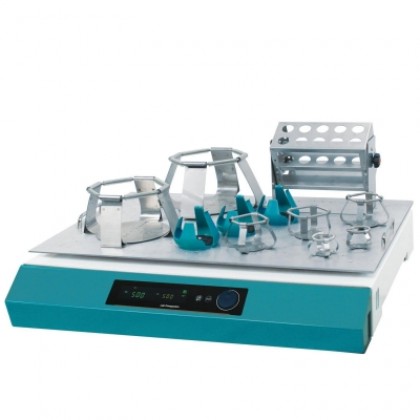
Why shaker inspection matters in laboratory operation
A laboratory shaker is often treated as a routine utility, but its performance directly affects repeatability. Inconsistent shaking speed, mechanical imbalance, worn drive components, or controller deviation can lead to variation in mixing efficiency, culture growth conditions, and sample handling results. For regulated or quality-sensitive environments, these issues should be checked early rather than after a process failure.
A proper inspection service typically focuses on the condition of the mechanical drive system, operating stability, control response, visible wear, and general functional safety. This is especially important for equipment that runs for long hours, supports critical batches, or has already shown symptoms such as drift, intermittent operation, or excessive movement during use.
Typical situations that indicate service is needed
Inspection is often requested when operators notice changes in day-to-day behavior rather than a complete failure. Common signs include unstable shaking motion, reduced speed accuracy, unexpected shutdown, irregular noise, overheating, or a platform that does not maintain smooth motion under normal load. Even if the shaker still runs, these symptoms may point to developing mechanical or electrical issues.
Preventive inspection is also useful after long operating periods, relocation, repeated heavy loading, or before internal audits and qualification activities. In laboratories where multiple instruments are maintained on a schedule, shaker inspection is often handled alongside related services such as centrifuge inspection service or centrifugal mixer inspection service to keep rotating equipment in dependable condition.
Scope of service across major laboratory shaker brands
This category includes inspection service references for several widely used laboratory brands. Depending on the installed equipment in your facility, users may look for support related to IKA, Lauda, STUART, Yamato, CRYSTE, DaiHan, SH Scientific, VELP, JSR, or Labstac systems. The goal is not simply to match a brand name, but to ensure the inspection approach fits the shaker design, operating mode, and service condition of the unit in use.
Representative service listings in this category include IKA Sharking Machine Inspection Service, Lauda Shaking Machine Inspection Service, JSR Shaking Machine Inspection Service, Labstac Shaking Machine Inspection service, and CRYSTE Shaking Machine Inspection Service. Additional entries such as Yamato Sharking Machine Inspection Service, VELP Sharking Machine Inspection Service, STUART Sharking Machine Inspection Service, SH Scientific Sharking Machine Inspection Service, and DaiHan Sharking Machine Inspection Service help users locate brand-relevant service options more efficiently.
What to consider when selecting a shaker inspection service
The right service choice depends on more than just manufacturer name. Buyers should consider the type of shaker in use, the severity of the symptom, how frequently the unit operates, whether the equipment supports critical testing or production-adjacent work, and whether the request is preventive or corrective in nature. A shaker used continuously in a microbiology or cell culture workflow may need faster assessment than a unit used occasionally for general sample mixing.
It is also useful to prepare basic information before arranging inspection: equipment brand, observed fault symptoms, operating history, installation environment, and whether the issue appears under load or no-load conditions. This helps service teams narrow down likely causes and determine whether the case is primarily a repair inspection, a functional check, or part of a broader maintenance review.
How shaker inspection fits into broader lab equipment maintenance
Shaker performance should not be viewed in isolation. In many laboratories, it forms part of a larger equipment reliability program that includes rotating instruments, temperature-controlled devices, and contamination-control systems. Coordinating inspection planning across related assets can reduce downtime and improve maintenance visibility across the lab.
For example, facilities that run controlled processing or sterile workflows may also schedule services for equipment such as autoclave sterilizer inspection or biosafety cabinet inspection service. Looking at service needs by workflow rather than by single instrument often leads to better planning, especially in laboratories with audit, uptime, or validation pressures.
Common brand-based service requests in this category
Some users arrive with a clear brand requirement because their installed base is standardized. In those cases, service listings tied to known manufacturers can make the request process more direct. Laboratories using Lauda, STUART, Yamato, VELP, or SH Scientific equipment often search by brand first, then verify whether the service is aligned with the equipment condition and intended maintenance outcome.
Others may search by symptom or equipment function rather than brand. This is common when teams are troubleshooting vibration, unstable motion, or suspected wear and simply need a dependable inspection starting point. The category therefore supports both search behaviors: users who know the manufacturer and users who need a practical path to evaluate a shaker problem before planning repair action.
When inspection is preferable to immediate replacement
Replacement is not always the first or most efficient step when a shaker begins to perform inconsistently. Many issues can only be judged properly after inspection, especially when the equipment still operates but no longer performs with expected stability. A targeted assessment helps determine whether the problem is minor, progressive, or severe enough to justify broader corrective action.
This is particularly valuable in B2B laboratory environments where procurement lead time, workflow continuity, and installed equipment compatibility all matter. A well-chosen inspection service provides useful technical visibility, supports maintenance decisions, and helps teams avoid unnecessary disruption while protecting the consistency of everyday lab operations.
Choosing the right service path for your laboratory shaker
Whether the requirement is routine checking, fault diagnosis, or pre-repair evaluation, this category helps users locate suitable service options for a range of laboratory shaker brands and use cases. It is especially relevant for teams managing older equipment, heavily used systems, or instruments that support repeatable process conditions.
By reviewing the available brand-related services and aligning them with actual equipment symptoms, laboratories can make a more informed maintenance decision. A clear inspection process is often the most practical first step toward restoring stable shaker operation and maintaining confidence in the workflow it supports.
Get exclusive volume discounts, bulk pricing updates, and new product alerts delivered directly to your inbox.
By subscribing, you agree to our Terms of Service and Privacy Policy.
Direct access to our certified experts