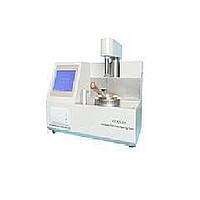
Flammability Testing Equipment Inspection Service
Reliable fire performance testing depends not only on the test method, but also on the condition of the equipment used to run it. In laboratories, quality departments, and product compliance environments, regular inspection helps keep flammability test systems operating consistently, safely, and in line with expected test procedures.
Flammability Testing Equipment Inspection Service is intended for organizations that need to verify the operating condition of fire test instruments, identify wear or drift, and reduce the risk of inaccurate or unstable results. This is especially relevant where repeatability, traceability, and equipment readiness directly affect product evaluation and internal quality control.
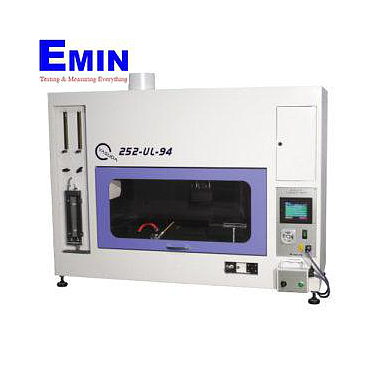
Why inspection matters for flammability testing equipment
Flammability testing systems are used in demanding applications where heating, ignition, timing, airflow, specimen positioning, and observation conditions may all influence the outcome. Over time, mechanical wear, contamination, thermal stress, and routine use can affect how the equipment performs, even when issues are not immediately visible during day-to-day operation.
A structured inspection service helps detect these problems before they lead to unreliable testing or unexpected downtime. For companies managing a broader portfolio of materials test instruments, this category complements related services such as furnace inspection service, where thermal performance and equipment condition are also critical.
What this service typically helps evaluate
Inspection work on flammability test equipment generally focuses on the condition of key functional elements rather than only surface-level checks. Depending on the system, this may include the integrity of the test chamber, burner or ignition components, fixture alignment, timing-related functions, control response, and other mechanical or operational points that affect test execution.
The goal is to support equipment reliability and consistent operation. In practice, this can help users identify whether a unit is ready for continued use, whether maintenance should be scheduled, or whether performance deviations require further corrective action before important testing work continues.
Suitable for labs, manufacturers, and quality teams
This inspection service is relevant across many industrial and technical environments. It can support internal laboratories, R&D teams, production quality departments, third-party testing facilities, and organizations handling material safety or compliance-related evaluation. When test data is used to compare materials, monitor process changes, or support customer requirements, equipment condition becomes an important part of the overall quality system.
It is also useful for facilities that operate several physical testing platforms together. For example, flammability testing may sit alongside permeability, abrasion, or color-related evaluation, making coordinated inspection planning practical. In those cases, users may also review services such as oxygen permeation system inspection for adjacent testing processes within the same lab infrastructure.
Representative equipment and service coverage
This category includes inspection support for selected systems from established manufacturers such as Yasuda and JFM. Representative listings in this category include the Yasuda Quite a fire test equipment Inspection Service and the JFM Quite a fire test equipment Inspection Service, which illustrate the type of manufacturer-specific support available for fire testing equipment.
Manufacturer-based references are helpful because inspection needs can vary by instrument design, control structure, and test setup. Even when systems serve a similar purpose, the inspection approach may need to account for differences in layout, operating sequence, or component configuration.
How to choose the right inspection service
When selecting a service, it is useful to start with the role the equipment plays in your workflow. If the instrument is used for routine quality verification, turnaround time and readiness may be the main concern. If it supports critical product validation or customer-facing reports, a more thorough review of operational condition and potential sources of deviation may be needed.
You should also consider the age of the equipment, frequency of use, maintenance history, and whether recent test results have shown unusual variation. A well-matched inspection plan helps reduce uncertainty and can make troubleshooting more efficient if the equipment is part of a larger test program involving other physical performance instruments.
Benefits of regular inspection in a test environment
Regular inspection contributes to more stable testing workflows by helping teams address small issues before they become larger failures. This can reduce unplanned downtime, support better scheduling of maintenance, and improve confidence in the condition of the instrument before important test runs are performed.
Another important benefit is improved visibility into overall test system condition. In many laboratories, the challenge is not only whether a machine powers on, but whether it operates as intended under actual testing conditions. That distinction matters when repeatability and process control are important to product assessment.
Part of a broader inspection strategy
Flammability equipment is often one element within a wider mechanical and physical testing setup. Building a consistent inspection routine across related instruments can help standardize maintenance planning, reduce disruptions, and improve oversight of lab assets. Depending on the application, organizations may also look at related services such as abrasion tester inspection service to support broader equipment management.
Taking this wider view is especially useful in B2B environments where multiple departments rely on shared laboratory resources. A more organized inspection strategy supports better planning for service intervals, equipment availability, and long-term asset performance.
What to consider before scheduling
Before arranging an inspection, it helps to prepare basic information about the equipment, including manufacturer, model reference, usage condition, known issues, and any recent changes in behavior. Clear information makes it easier to align the service scope with the actual needs of the instrument.
If your team is responsible for ongoing fire-related material testing, choosing an inspection service that fits the equipment type and usage profile can help maintain dependable operation over time. For many laboratories and manufacturers, this is a practical step toward better quality assurance, safer testing conditions, and more consistent day-to-day performance.
Get exclusive volume discounts, bulk pricing updates, and new product alerts delivered directly to your inbox.
By subscribing, you agree to our Terms of Service and Privacy Policy.
Direct access to our certified experts