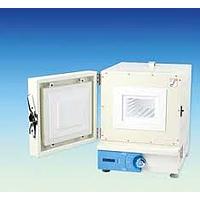
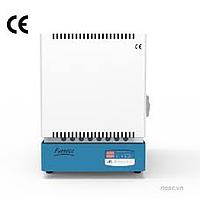
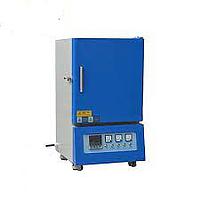
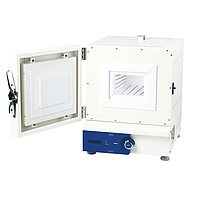
Mechanical and Physical Testing Equipment Inspection Service
Reliable test data starts with equipment that is functioning correctly, repeatably, and in line with its intended measurement purpose. In laboratories, quality departments, packaging evaluation, materials testing, and environmental simulation, inspection work helps verify whether critical systems are operating as expected before test results are used for production control, product validation, or compliance activities.
Mechanical and Physical Testing Equipment Inspection Service covers a broad range of instruments used to evaluate force, durability, environmental resistance, material behavior, and physical performance. This category is relevant for businesses that rely on test chambers, force gauges, tensile systems, melt flow instruments, and other specialized testing devices where condition, stability, and operational accuracy matter.
Why inspection matters for testing equipment
Mechanical and physical testing systems are often used to support product quality decisions, R&D comparisons, incoming material checks, and process validation. When an instrument drifts, wears mechanically, or develops control instability, the impact is not limited to the device itself. It can affect the consistency of test methods, the comparability of results over time, and confidence in pass/fail decisions.
An inspection service is useful for identifying visible wear, operational irregularities, control issues, abnormal response, or signs that a device should receive deeper maintenance or calibration. For organizations managing multiple lab assets, inspection also supports planning by showing which instruments remain suitable for routine work and which require further action.
Typical equipment covered in this category
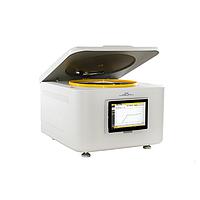
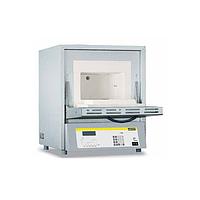
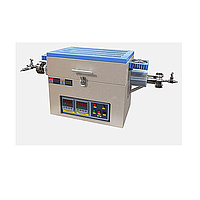
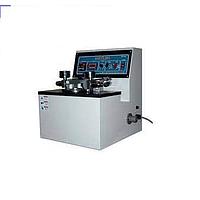
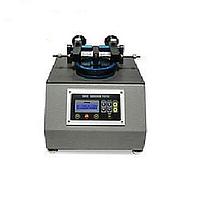
This category includes many instruments used for physical performance testing and environmental evaluation. Common examples include force gauges, force testing machines, temperature and humidity chambers, thermal shock chambers, vibration-related equipment, impact systems, abrasion testers, melt index machines, and other devices used to simulate stress, aging, or mechanical load.
In practical terms, inspection needs vary by equipment type. A force-related instrument may need attention on load application behavior, indication stability, gripping condition, or response repeatability. A chamber-based system may require checks around temperature control, humidity performance, circulation behavior, door sealing, sensors, alarms, and general operating condition. If your scope also includes other laboratory asset groups, you may want to review related services such as mechanical measuring instruments inspection or specialty meters inspection.
Examples of equipment and brands frequently requested
Inspection requests in this category often involve established laboratory and test equipment brands. For environmental simulation, examples in this category include services associated with ESPEC chambers such as the ESPEC Thermal Shock chamber Inspection Service and ESPEC Temperature and Humidity Chamber Inspection Service. Similar needs also appear with Binder Temperature and Humidity Chamber Inspection Service, JEIOtech Temperature and Humidity Chamber Inspection Service, and MEMMERT Constant climate chamber Inspection Service.
For force and mechanical testing, users may look for support related to IMADA Force testing machine Inspection Service, IMADA Force Gauge Inspection Service, DILLON Force Gauge Inspection Service, KERN Force gauge Inspection Service, or Elcometer Tension Monitor Inspection Service. In polymer and material flow evaluation, Buchi Melt Flow Index Tester Inspection Service is another representative example. These references help illustrate the range of equipment covered, from controlled-environment chambers to handheld or bench-top force measurement tools.
What an inspection service usually helps verify
Although the exact inspection scope depends on the equipment type, a useful inspection process generally focuses on operational condition, visible mechanical integrity, response behavior, basic functional checks, and signs of abnormal performance. This may include reviewing controls, displays, connections, moving parts, chamber sealing, loading mechanisms, fixtures, and user-facing functions that affect daily testing work.
For test chambers, inspection often helps detect uneven performance, sensor-related issues, or wear that may compromise stable test conditions. For force equipment, the goal may be to identify looseness, mechanical damage, inconsistent indication, poor return behavior, or setup problems that influence measurement confidence. In either case, inspection provides an informed picture of current equipment status without assuming that every issue can be resolved by adjustment alone.
Choosing the right inspection scope for your equipment mix
Not every testing laboratory uses the same combination of instruments, so inspection planning should match the real application. A facility focused on environmental reliability testing may prioritize chamber condition, thermal cycling behavior, and control-system checks. A materials or packaging lab may place greater emphasis on force measurement systems, tensile equipment, friction-related testers, or melt index instruments.
It is often helpful to group assets by function and criticality. Equipment used in release testing or customer reporting may need closer attention than devices used only for internal comparison. If your site also manages electronics-related test assets or utility monitoring devices, adjacent service categories such as electrical and electronic meter inspection service can support a more complete asset care program.
When to consider an inspection service
Inspection is commonly scheduled as part of preventive maintenance planning, before major validation work, after equipment relocation, or when users notice unstable behavior during routine testing. It is also relevant when an instrument has been idle for a long period, shows inconsistent readings, or has visible signs of wear that may affect safety or repeatability.
Another common use case is pre-calibration or pre-repair assessment. An inspection can help determine whether a device appears ready for calibration, whether there are mechanical or environmental issues that should be addressed first, or whether the equipment condition may limit the value of formal adjustment or verification. For specific instrument groups such as gas-related devices, a separate gas detector and meter inspection service may be more appropriate.
Support for quality systems and equipment lifecycle management
For B2B users, inspection is not only a technical task but also part of broader equipment lifecycle control. It supports maintenance records, service planning, downtime reduction, and better coordination between lab teams, QA personnel, and purchasing departments. When inspection findings are documented clearly, they can help organizations prioritize repair, replacement, or calibration budgets more effectively.
This is especially important for companies operating multiple brands and equipment types across laboratories, production sites, or validation centers. A mixed installed base may include ESPEC and Binder chambers, IMADA and DILLON force instruments, or specialized systems such as melt flow and tension monitoring devices. Having a structured inspection approach makes it easier to maintain consistent oversight across these different assets.
Find the right service path for your testing instruments
This category is designed for organizations that need practical inspection support for a wide range of laboratory and industrial testing systems. Whether the requirement involves environmental chambers, force measurement tools, or other physical test instruments, the main goal is to understand equipment condition clearly and reduce the risk of unreliable testing.
If you are reviewing service options for a specific instrument family, the subcategories in this section can help narrow the scope by equipment type. For broader testing operations, this category provides a useful starting point for organizing inspection needs across mechanical and physical testing equipment and planning the next steps with greater confidence.
Get exclusive volume discounts, bulk pricing updates, and new product alerts delivered directly to your inbox.
By subscribing, you agree to our Terms of Service and Privacy Policy.
Direct access to our certified experts