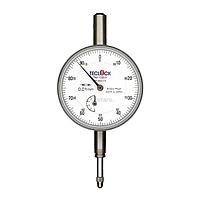
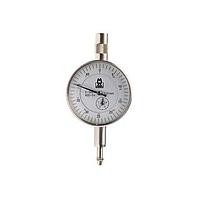
Dial Indicators Inspection Service
Reliable dimensional inspection depends on more than the condition of the workpiece. When a dial indicator is used for comparative measurement, runout checking, setup verification, or fixture alignment, even a small deviation in the instrument can affect process control and quality decisions. A professional Dial Indicators Inspection Service helps verify whether the gauge is still performing within its intended measuring condition and suitable for continued use.
This service is relevant for machine shops, QA departments, maintenance teams, laboratories, and production lines that rely on repeatable mechanical measurement. It is especially useful in environments where dial indicators are used frequently for setup and in-process checks, where wear, impact, contamination, or long service intervals may gradually reduce confidence in readings.
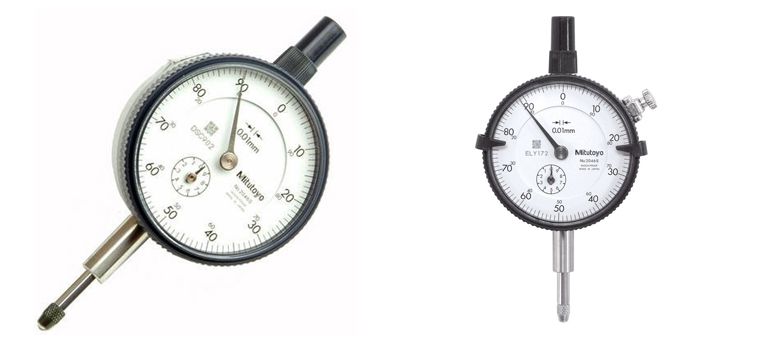
Why dial indicator inspection matters
Dial indicators are widely used because they provide a fast visual reference for displacement, deviation, and relative position. In practical use, however, the pointer response, repeatability, backlash behavior, and overall mechanical movement can change over time. Inspection helps detect these issues before they lead to incorrect setup, false acceptance, or unnecessary rework.
For many industrial users, the value of inspection is not only technical but also operational. A verified indicator supports more stable machine adjustment, better consistency between operators, and stronger traceability in quality routines. In production environments where several measuring tools are managed together, dial indicator checks are often planned alongside micrometer inspection service and other routine metrology activities.
What is typically assessed during the service
The inspection process generally focuses on the core functions that affect measurement reliability. This includes visible condition, movement of the spindle or measuring contact, pointer behavior across the measuring range, consistency of response, and whether the indication returns properly during repeated use. The goal is to evaluate the instrument in a way that reflects real measurement performance rather than appearance alone.
Depending on the instrument condition, inspection may also help identify signs of mechanical wear, sticking motion, looseness, or handling damage. For users managing multiple types of hand measurement tools, this forms part of a wider control program that may also include calliper inspection service to maintain consistency across the workshop or inspection room.
Suitable for common industrial measurement tasks
Dial indicators are commonly used in machining, assembly, maintenance, jig and fixture setup, and incoming or final inspection. Because they are often applied in comparative measurement rather than absolute dimensional verification, users may overlook gradual performance drift. Inspection becomes particularly important when the indicator is used to align spindles, check concentricity, verify flatness changes, or monitor small movement during setup.
This service is also relevant where instruments are shared between operators or moved frequently between benches and machines. In such cases, repeated handling can influence measurement behavior over time. Regular verification helps maintain confidence that the indicator still supports the intended tolerance control process.
Examples from widely used brands
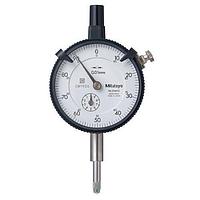
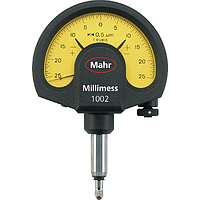
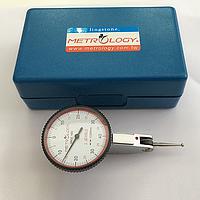
Many facilities standardize around established manufacturers, and inspection support is often needed for mixed-brand fleets. This category includes services for instruments such as MITUTOYO Dial Indicators Inspection Service, Mahr Dial Indicators Inspection Service, MOORE & WRIGHT Dial Indicators Inspection Service, TECLOCK Dial Indicators Inspection Service, and METROLOGY Dial Indicators Inspection Service.
Brand familiarity can be helpful in planning maintenance and inspection schedules, but the main concern remains the actual condition of each gauge in use. Whether a site uses long-standing workshop instruments or newer quality-control tools, the inspection process supports a more dependable basis for acceptance checks, alignment work, and routine comparative measurements.
When to consider sending a dial indicator for inspection
Inspection is often scheduled as part of periodic metrology control, but there are also clear practical triggers. If an indicator has been dropped, shows irregular pointer movement, fails to return consistently, feels rough in operation, or gives readings that conflict with other reference tools, it should be checked. Instruments used in critical setups or near tight process limits may also require more frequent review.
Another common situation is system-wide review of mechanical gauges in a plant. Teams may inspect dial indicators together with related instruments such as thickness gauge inspection service or depth-related tools to simplify quality documentation and service planning.
How to choose the right service scope
Choosing an appropriate inspection service starts with understanding how the instrument is used. A dial indicator employed occasionally for general setup may be managed differently from one used daily in a controlled quality workflow. Users should consider application criticality, frequency of use, internal quality requirements, and whether the instrument supports product acceptance or only machine adjustment.
It is also useful to review the broader measurement ecosystem. If your operation depends on several mechanical gauges working together, a coordinated inspection plan is usually more efficient than handling each instrument in isolation. This approach supports better scheduling, clearer status control, and a more organized quality system across the shop floor and inspection area.
Supporting better measurement confidence
A well-managed inspection routine helps extend the useful service life of dial indicators while reducing uncertainty in daily work. Instead of relying only on visual checks or operator experience, businesses can make decisions based on the verified condition of the instrument. That is especially important where measurement results influence machining offsets, assembly fit, or release criteria.
For companies using trusted brands such as Mahr, MITUTOYO, MOORE & WRIGHT, TECLOCK, and METROLOGY, this category provides a practical route to maintain confidence in essential comparative gauges. If your process depends on stable mechanical measurement, a structured inspection service for dial indicators is a sensible step toward improved measurement reliability, better equipment control, and more consistent quality outcomes.
Get exclusive volume discounts, bulk pricing updates, and new product alerts delivered directly to your inbox.
By subscribing, you agree to our Terms of Service and Privacy Policy.
Direct access to our certified experts