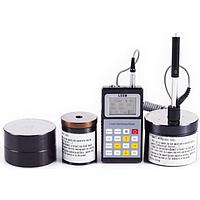
Mechanical Measuring Instruments Inspection Service
Reliable dimensional control and mechanical inspection depend on instruments that continue to perform within their intended accuracy over time. In production, maintenance, laboratories, and quality assurance environments, even small deviations in a gauge or alignment tool can affect acceptance decisions, machine setup, and product consistency. That is why Mechanical Measuring Instruments Inspection Service plays an important role in maintaining confidence in measurement results.
This category covers inspection services for a wide range of mechanical measuring tools used in daily industrial work. It is relevant for companies that need periodic verification of handheld gauges, surface and profile instruments, and alignment systems, especially where traceability, repeatability, and practical equipment condition matter as much as nominal specifications.
Why inspection service matters for mechanical measuring instruments
Mechanical measuring devices are exposed to wear, accidental impact, environmental changes, and frequent handling. Over time, these factors can influence zero position, contact condition, movement smoothness, repeatability, and overall measurement reliability. Inspection helps identify whether an instrument still performs as expected for its intended task.
For many users, inspection is not only about detecting out-of-tolerance conditions. It is also a practical way to assess instrument health, support preventive maintenance, and reduce the risk of using equipment that may introduce hidden errors into incoming inspection, in-process checks, or final quality control.
Typical instruments covered in this category
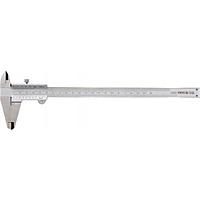
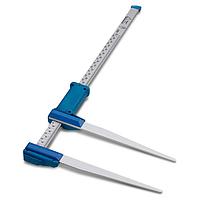
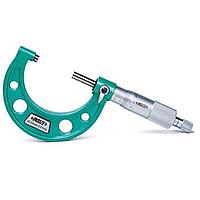
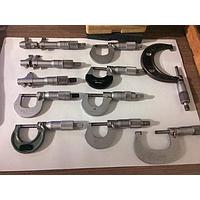
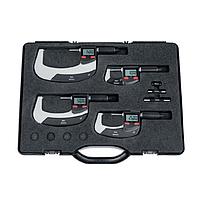
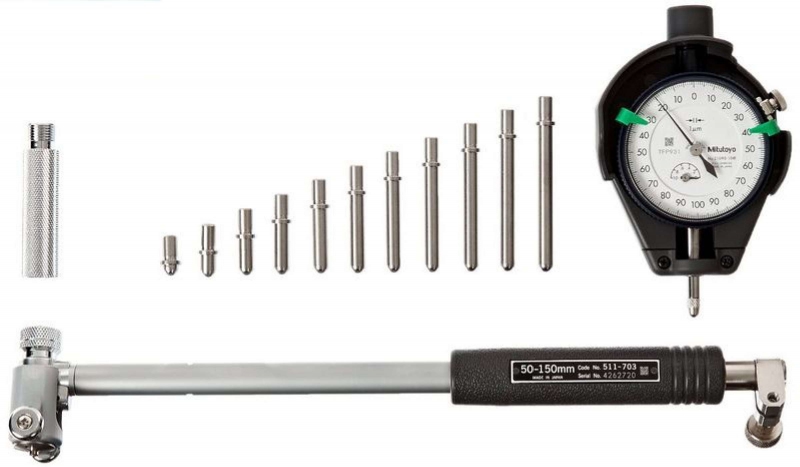
This service category is broad enough to support many common workshop and metrology tools. Typical examples include height gauges, dial indicators, thickness gages, surface profile gages, roughness measuring instruments, and laser-based pulley or shaft alignment systems. Each device has different operating principles, but all require stable performance and dependable indication.
For organizations working with a wider inspection program, this category also fits naturally alongside related services such as electrical and electronic meter inspection and specialty meters inspection service. This makes it easier to manage different instrument groups under a consistent quality approach.
Examples of supported brands and service scope
Many industrial users rely on established brands for dimensional and surface measurement. Within this category, representative service examples include Mahr solutions such as Mahr Height Gauge Inspection Service, Mahr Dial Indicators Inspection Service, Mahr Thickness Gage Inspection Service, and Mahr Roughness Measuring Instrument Inspection Service. These examples reflect common requirements in machining, finishing, and inspection departments.
Other featured services include MITUTOYO Height Gauge Inspection Service and MITUTOYO Dial Indicators Inspection Service, as well as DEFELSKO Thickness Gage Inspection Service and DEFELSKO Surface Profile Gage Inspection Service. For alignment applications, EASYLASER Laser Pulley/Shaft Alignment System Inspection Service and FIXTURLASER Laser Pulley/Shaft Alignment System Inspection Service illustrate the category’s relevance beyond classic contact gauges.
In practical terms, the inspection scope may vary depending on instrument type, measuring range, construction, and application. A height gauge or dial indicator is evaluated differently from a roughness instrument or a laser alignment system, so the service should always match the function of the device being assessed.
What users typically look for when selecting an inspection service
The most important consideration is whether the service aligns with how the instrument is actually used. A simple handheld comparator used for routine checks may require a different inspection focus than a precision bench-mounted device used for tighter dimensional control. The service should support realistic operating needs rather than a generic checklist alone.
Users also tend to review instrument condition, frequency of use, criticality in the process, and the consequences of inaccurate readings. In a production line, an issue with a dial indicator can affect setup and fixture verification. In coating or finishing work, a problem with a thickness or surface profile gage can influence process control and acceptance decisions.
Where brand-specific familiarity is important, many buyers prefer service options connected to manufacturers commonly used in their facilities, such as MITUTOYO, Mahr, DEFELSKO, ELCOMETER, EASYLASER, FIXTURLASER, or KERN. This is especially relevant when instrument design, handling, or verification points differ between product families.
Application areas across industry
Mechanical measuring instruments are used across metalworking, automotive supply, fabrication, maintenance workshops, coating inspection, and quality laboratories. Height gauges and dial indicators support dimensional checks and setup verification. Thickness gages and surface profile gages are often used in coating preparation and protective finishing processes. Roughness measuring instruments help evaluate surface quality where texture affects performance or fit.
Laser pulley and shaft alignment systems serve a different but equally important role. Instead of direct dimensional measurement, they help verify machine alignment conditions that can influence vibration, wear, energy consumption, and equipment life. Their inclusion in this category reflects the broader industrial need for trustworthy mechanical inspection tools.
How this category fits into a broader inspection program
Many companies manage inspection services by instrument family to simplify planning and documentation. This category is especially relevant for businesses that already maintain a wider asset list and need a structured approach to periodic checks. It can also be paired with other service groups when one team oversees multiple measurement technologies.
For example, organizations that use dimensional tools together with gas safety devices or facility monitoring equipment may also review gas detector and meter inspection service as part of a broader reliability program. Grouping services this way can help reduce administrative gaps and improve visibility across inspection schedules.
Choosing the right service for your instrument mix
A useful starting point is to identify which instruments are most critical to product quality, machine condition, or compliance records. From there, it becomes easier to prioritize inspection for heavily used devices, instruments exposed to rough shop-floor conditions, or tools that directly support pass/fail decisions.
It is also worth separating general dimensional gauges from more specialized systems. A standard indicator, a surface profile gage, and a laser alignment system may all belong to the same broader category, but they do not carry the same verification logic. Matching the service to the instrument function helps ensure a more practical outcome.
When reviewing available options, examples such as KERN Height Gauge Inspection Service, ELCOMETER Surface Profile Gage Inspection Service, and the featured alignment system inspection services provide a good picture of the range supported within this category.
Supporting consistent measurement decisions
Inspection service for these instruments is ultimately about reducing uncertainty in day-to-day work. Whether the device is used for dimensional verification, coating assessment, surface evaluation, or machine alignment, dependable instrument performance helps teams make better technical decisions and maintain process consistency.
If your operation relies on gauges, profile instruments, roughness tools, or alignment equipment, this category provides a focused starting point for maintaining measurement confidence across mechanical inspection tasks. Selecting the right service path can help keep critical instruments ready for use and better aligned with your quality requirements.
Get exclusive volume discounts, bulk pricing updates, and new product alerts delivered directly to your inbox.
By subscribing, you agree to our Terms of Service and Privacy Policy.
Direct access to our certified experts