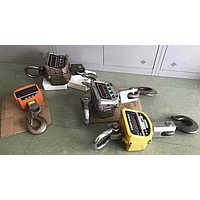
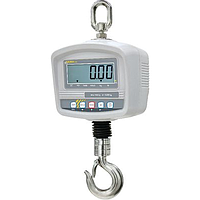
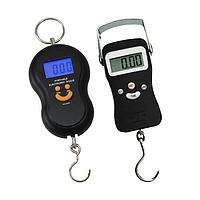
Crane Scale Inspection Service
When weighing loads overhead, even small measurement errors can affect inventory accuracy, lifting decisions, and day-to-day safety procedures. Regular inspection helps verify that a crane scale continues to perform as expected under real operating conditions, especially in warehouses, metal processing, logistics, ports, and industrial handling environments where equipment is used frequently and often under demanding conditions.
Crane Scale Inspection Service is intended for businesses that rely on suspended weighing systems and need a practical way to check measurement condition, functional reliability, and service readiness. This category is relevant for operators using crane-mounted scales in production, incoming goods control, dispatch, and material handling workflows where consistent load readings matter.
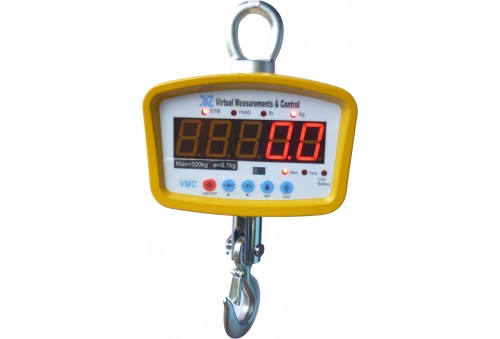
Why crane scale inspection matters in industrial use
A crane scale works in a different environment than many bench or platform weighing devices. It is typically exposed to movement, vibration, impact, repeated load cycles, and operator handling, all of which can gradually influence weighing stability or mechanical condition. Inspection is therefore not only about checking a display value, but also about reviewing whether the equipment still supports dependable use in its actual application.
For many companies, periodic inspection also supports internal quality procedures and maintenance planning. If your operation uses several types of weighing devices, it can be helpful to review related services such as floor scale inspection for pallet and logistics weighing areas, especially when traceable weight control is needed across multiple process steps.
What is typically evaluated during a crane scale inspection service
The scope of inspection can vary depending on the device and operating context, but the main objective is to assess whether the scale remains suitable for intended use. In practice, this often includes reviewing weighing performance, checking the condition of key functional elements, and identifying signs of wear or irregular operation that may justify further action.
Because crane scales are part of a lifting and weighing workflow, the inspection process may also focus on how the device behaves during normal handling rather than on isolated laboratory-style measurements alone. This helps maintenance teams and quality managers understand whether a scale is still aligned with operational requirements for routine overhead load measurement.
Suitable applications and use cases
This service category is commonly relevant in facilities where loads are suspended for transport or processing and weight data is used for receiving, batching, stock control, shipping, or material verification. Typical use cases include steel service centers, recycling operations, fabrication lines, storage yards, and distribution hubs where bulky or irregular items cannot be weighed easily on conventional equipment.
It is also a logical choice for companies that already manage multiple weighing technologies. For example, organizations that use suspended scales for heavy loads and laboratory devices for small samples may also need support for precision scale inspection services in quality control or formulation environments.
Examples from established weighing brands
This category includes service options associated with widely used manufacturers such as CAS, KERN, and SAUTER. These brands are known in industrial and commercial weighing, and inspection support is especially useful where businesses need continuity with equipment already installed in their operations.
Representative examples in this category include the Cas Crane Scale Inspection Service and the Kern Crane Scale Inspection Service. In a broader weighing environment, some businesses may also maintain related devices such as the Sauter Spring Balance Inspection Service, particularly where mechanical force or hanging measurement tools are still part of inspection, workshop, or handling processes.
How to choose the right inspection service
The most suitable service depends on how the crane scale is used, how frequently it is loaded, and how critical the measurement is to your process. A scale used occasionally for rough handling checks may require a different service rhythm than one used daily for stock transfer, dispatch control, or production-related weight confirmation.
It is also worth considering the surrounding equipment ecosystem. If your site uses overhead weighing for lifting operations and moisture-sensitive products elsewhere, reviewing adjacent services such as moisture analyzer inspection can help align maintenance and quality routines across departments without treating each instrument type in isolation.
What businesses gain from regular inspection
A structured inspection program supports more than simple compliance housekeeping. It can help reduce unexpected downtime, improve confidence in recorded weights, and make it easier to detect issues before they interfere with production or shipping. In B2B environments, that matters because weight data often influences invoicing, inventory movement, process control, and internal verification procedures.
Regular review also helps create a more consistent basis for decision-making. When operators and quality personnel can trust the instrument condition, they spend less time questioning readings and more time focusing on throughput, safety, and handling efficiency. This is particularly valuable for sites where load handling and weighing happen at the same point in the workflow.
When to consider inspection more urgently
Some situations justify faster action rather than waiting for a routine service interval. Examples include noticeable reading drift, unstable display behavior, signs of impact or overload, inconsistent weighing results between devices, or any event that raises concern about the scale’s current operating condition.
If a crane scale is part of a wider fleet of weighing systems, comparing service needs across device types can also be useful. Facilities working with suspended scales and laboratory-style weighing instruments may benefit from looking at analyzer scale inspection services to keep inspection planning coordinated across both production and analytical applications.
Supporting reliable suspended weighing
Choosing the right inspection service for crane scales helps maintain confidence in overhead weighing tasks where accuracy, equipment condition, and process continuity all matter. Whether your operation uses CAS, KERN, or SAUTER-related equipment, regular inspection provides a practical way to review device performance in line with real industrial use.
For businesses managing heavy-load workflows, this category offers a focused starting point for keeping suspended weighing equipment in dependable condition. A clear inspection strategy can make crane scale maintenance more predictable and support smoother handling, better weight control, and more consistent day-to-day operation.
Get exclusive volume discounts, bulk pricing updates, and new product alerts delivered directly to your inbox.
By subscribing, you agree to our Terms of Service and Privacy Policy.
Direct access to our certified experts