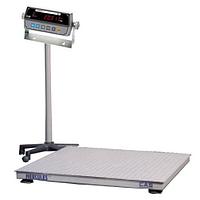
Floor Scales Inspection Service
Accurate floor weighing is critical in warehouses, production areas, logistics stations, and receiving docks where heavy loads move every day. When a platform scale starts drifting, responds slowly, or shows inconsistent values, it can affect stock control, shipping accuracy, process verification, and routine quality checks. A professional Floor Scales Inspection Service helps identify these issues early and supports more reliable weighing performance in daily operations.
This category is focused on inspection support for floor scale systems used in industrial and commercial environments. Whether the scale is part of an incoming goods workflow, batching process, or internal material handling routine, regular inspection is an important step in maintaining confidence in the equipment and spotting wear before it becomes a larger problem.
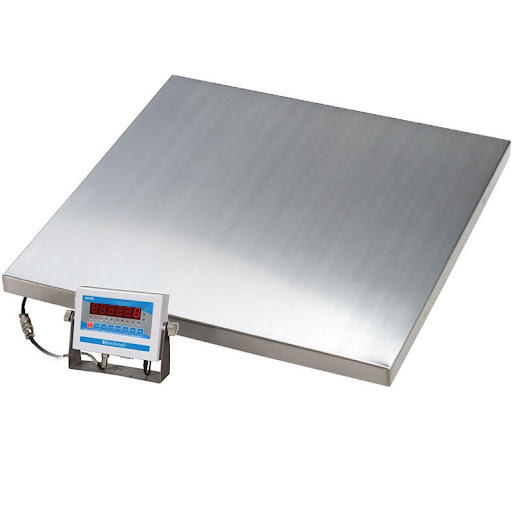
Why floor scale inspection matters in industrial use
Floor scales typically operate under demanding conditions. They may be exposed to repeated heavy loading, pallet truck traffic, vibration, dust, moisture, or uneven placement on the floor. Over time, these factors can influence scale response, weighing stability, and the overall condition of the platform and sensing components.
A structured inspection helps assess the mechanical and functional condition of the unit, not just the displayed result. This is especially useful for operations that depend on repeatable measurement for inventory management, dispatch control, production tracking, or internal verification tasks. In many facilities, inspection is part of a broader maintenance approach that reduces unexpected downtime and supports safer, more consistent equipment use.
What is typically checked during a floor scale inspection
Although the exact inspection scope can vary by setup, the process usually looks at the general condition of the scale, visible signs of damage or deformation, platform stability, indicator behavior, and basic weighing performance. Inspectors may also review whether the scale reacts consistently across different loading positions, since off-center loading can reveal practical issues in real working conditions.
Electrical connections, load-bearing elements, display readability, and environmental influences may also be considered depending on the installation. The goal is not simply to confirm that the scale turns on, but to evaluate whether the system remains suitable for routine industrial use. For businesses using CAS equipment, this can be especially helpful when checking the continued condition of installed weighing systems and related service requirements.
Common situations that indicate a service check is needed
Many floor scales continue operating even after performance begins to degrade, which makes inspection easy to postpone. In practice, there are several signs that should prompt a closer review: unstable readings, delayed return to zero, inconsistent values between repeated measurements, visible platform movement, or signs of impact damage from forklifts and pallet handling equipment.
Inspection is also worth scheduling after relocation, after repair work, or when the scale has been used heavily over long periods without review. If your application involves different types of weighing equipment, it may also be useful to compare service needs across categories such as crane scale inspection service or precision scale inspection service, since each device type is exposed to different operating stresses.
Application areas for floor scales
Floor scales are widely used where goods are too large or too heavy for bench or compact weighing equipment. Typical applications include pallet weighing, goods-in inspection, outbound shipment confirmation, raw material handling, and internal logistics. In these environments, the scale is often integrated into a wider workflow rather than used as a standalone measuring device.
Because of that role, inspection should consider how the scale is actually used in the field. A unit installed near loading bays may face impact and contamination, while one in a production area may need dependable readings for process control. Where multiple weighing formats are used in one facility, related services such as analyzer scale inspection service can support a more complete equipment care strategy.
Example service within this category
A representative offering in this category is the Cas Floor Scale Inspection Service. This type of service is relevant for users who need an inspection pathway for installed floor weighing equipment and want a practical review of system condition, functionality, and service readiness.
Rather than treating the scale as a simple platform with a display, inspection should be understood as part of the broader weighing system lifecycle. It helps users evaluate whether the equipment remains aligned with current operating demands, whether wear is beginning to affect performance, and whether further maintenance or follow-up service may be needed.
How to choose the right inspection service
The best choice depends on the scale type, working environment, and how the measurement results are used in your process. Before selecting a service, it helps to review the scale’s capacity range, installation style, usage frequency, and any recurring problems operators have noticed. This makes it easier to match the inspection scope to the actual risks in the application.
It is also useful to consider whether your facility uses several categories of weighing equipment. A warehouse may mainly need platform and floor scale support, while a laboratory or quality area may require more attention to smaller, higher-resolution instruments. Choosing a service with the right context improves the value of inspection and supports better equipment reliability over time.
Supporting reliable weighing performance over time
Routine inspection is a practical way to keep floor scales in view before minor issues become operational problems. In environments where weight data influences receiving accuracy, stock movement, shipping documentation, or internal process control, early detection of mechanical or functional issues can make a measurable difference.
This category is intended for businesses looking for floor scale inspection support with an industrial focus. If your operation depends on dependable platform weighing, scheduling inspection at the right intervals can help maintain consistent performance, reduce avoidable disruption, and give your team a clearer picture of the equipment’s current condition.
Get exclusive volume discounts, bulk pricing updates, and new product alerts delivered directly to your inbox.
By subscribing, you agree to our Terms of Service and Privacy Policy.
Direct access to our certified experts