
Vibration meter - Accelerometer - Dynamic balance Inspection Service
Reliable vibration measurement is essential when maintenance teams need to diagnose bearing wear, shaft misalignment, structural looseness, or overall machine condition. When a meter, accelerometer, or vibration analyzer is used for troubleshooting and trending, its inspection status directly affects confidence in the data and the decisions built on it. This category brings together inspection services for vibration meters, accelerometers, and dynamic balance-related instruments used in industrial maintenance, condition monitoring, and technical diagnostics.
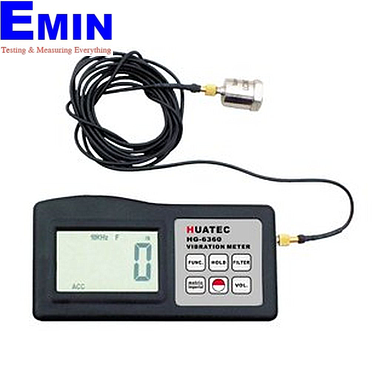
Why inspection matters for vibration measurement equipment
Vibration instruments are commonly used in environments where rotating machinery, motors, pumps, fans, compressors, and production equipment must remain available and predictable. In these applications, even a small measurement deviation can affect fault interpretation, trend analysis, and maintenance planning. A structured inspection service helps verify that the instrument still performs as expected and remains suitable for ongoing technical use.
This is especially important for devices that are handled frequently in the field, exposed to vibration, transport, or demanding plant conditions. Whether the equipment is a portable meter, a sensor, or a more advanced analyzer used in balancing or diagnostics, regular inspection supports more consistent measurement quality and better traceability in maintenance workflows.
Scope of this category
This page focuses on services related to the inspection of equipment used for vibration measurement and related dynamic analysis tasks. The category is suitable for users managing handheld vibration meters, standalone accelerometers, and instruments applied in balancing or machinery condition assessment.
Typical examples in this category include the RION Vibration Meter Inspection Service, ACO Vibration Meter Inspection Service, TENMARS Vibration Meter Inspection Service, Adash Vibration Analyzer Inspection Service, and PCE Accelerometer Inspection Service. These examples show that the scope is not limited to one brand or one instrument format, but covers several types of vibration-related measurement tools used across maintenance and reliability programs.
Types of instruments commonly covered
Vibration meters are often used for quick machine checks, route-based inspections, and basic condition monitoring. They help technicians evaluate parameters such as vibration severity and compare readings over time to identify abnormal behavior before it becomes a larger mechanical issue.
Accelerometers play a key role as sensing elements in many measurement chains. Because sensors directly affect signal quality, their inspection status is highly relevant in applications where repeatability and dependable signal response are required. For more advanced analysis work, vibration analyzers and balancing-related instruments also benefit from periodic inspection to maintain trust in diagnostic results.
Supported brands and representative services
The category includes inspection services for instruments from widely used manufacturers in industrial measurement and maintenance. Depending on your installed base, you may be looking for support related to FLUKE, EXTECH, PCE, RION, ACO, Adash, LUTRON, MMF, PULSAR, or TENMARS equipment.
Representative services listed here include FLUKE Vibration Meter Inspection Service, EXTECH Vibration Meter Inspection Service, MMF Vibration Meter Inspection Service, LUTRON Vibration Meter Inspection Service, and PULSAR Vibration Meter Inspection Service. For users working with sensing components, the PCE Accelerometer Inspection Service is also a relevant option. If your team uses analyzer-based tools for deeper diagnostics, the Adash Vibration Analyzer Inspection Service highlights the broader application range of this category.
How to choose the right inspection service
Selection usually starts with the exact type of instrument in use: handheld meter, external sensor, analyzer, or balancing-related device. It is also helpful to confirm the manufacturer, the equipment role in your workflow, and whether the instrument is used for routine screening, detailed diagnosis, or maintenance verification after repairs.
For organizations with multiple specialty instruments, grouping service requests by application can simplify asset management. In addition to vibration-related equipment, some users may also need support for adjacent measurement tools such as coating thickness meter inspection service or laser power meter inspection service, especially when a central maintenance, QA, or metrology team oversees different device groups.
Typical use cases in maintenance and reliability programs
Inspection services in this category are relevant for plants that rely on machinery health data to reduce unplanned downtime. Maintenance teams often use vibration instruments during preventive maintenance rounds, troubleshooting interventions, acceptance checks after installation, and follow-up verification after component replacement.
They are also useful in reliability-centered environments where data consistency matters across months or years of trend monitoring. In these cases, having inspection support for vibration meters and accelerometers helps reinforce the quality of the measurement process, not just the quality of the instrument itself.
What this means for procurement and technical teams
For procurement, a well-defined inspection category makes it easier to source support for an existing fleet of vibration tools without searching across unrelated service pages. For technical teams, it creates a clearer path to maintaining instruments that support machine diagnostics, balancing tasks, and field measurement activities.
Because industrial sites often operate mixed-brand equipment, it is useful to have access to inspection options across several manufacturers rather than treating each instrument type as an isolated case. That is why this category is structured around the application domain of vibration and accelerometer inspection service, with representative services covering common brands and use scenarios.
Find the service that matches your instrument
If your work depends on trustworthy vibration readings, choosing the right inspection path is a practical step toward better maintenance decisions and more consistent technical results. This category is designed to help users identify appropriate services for vibration meters, accelerometers, and analyzer-based equipment used in machinery condition assessment.
Browse the listed services to match your device type and brand, whether you are maintaining a portable meter from RION or FLUKE, reviewing an EXTECH unit, or arranging support for a PCE accelerometer or an Adash analyzer. A clear inspection plan helps keep measurement tools aligned with the needs of real industrial diagnostics.
Get exclusive volume discounts, bulk pricing updates, and new product alerts delivered directly to your inbox.
By subscribing, you agree to our Terms of Service and Privacy Policy.
Direct access to our certified experts
