Mechanical Calibrator Repair Service
When a mechanical calibrator starts showing inconsistent readings, stiff movement, excessive wear, or unstable repeatability, repair becomes more than routine maintenance. In calibration environments, even small mechanical deviations can affect traceability, inspection quality, and confidence in test results. A well-structured Mechanical Calibrator Repair Service helps restore instrument performance and supports reliable use in metrology, maintenance, and quality systems.
This category is intended for organizations that rely on mechanical calibration equipment and need practical repair support rather than generic servicing. It is especially relevant where downtime, measurement uncertainty, and equipment condition directly affect workshop efficiency or compliance processes.
Why mechanical calibrator repair matters
Mechanical calibration equipment is often exposed to repeated handling, transport, environmental changes, and long service cycles. Over time, components may drift, loosen, wear, or develop friction that affects smooth operation and measurement consistency. Repair work helps address these issues before they lead to larger errors or unusable equipment.
In many industrial settings, repair is also a practical way to extend the usable life of valuable instruments. Instead of replacing equipment immediately, users can evaluate whether the unit can be restored to stable working condition and returned to service with better reliability.
Typical service needs for mechanical calibration equipment
Mechanical devices used in calibration and verification usually depend on precise movement, stable contact surfaces, and repeatable mechanical response. If any of these elements are compromised, the instrument may no longer support dependable checks or comparison work. Common service needs include correction of mechanical wear, alignment issues, degraded movement, or damage caused by storage and handling conditions.
Repair support in this category is generally most relevant when an instrument shows signs such as poor repeatability, sticking mechanisms, increased backlash, difficulty zeroing, or visible physical deterioration. These symptoms do not always mean the equipment is beyond recovery, but they do indicate that professional inspection is advisable.
Representative repair service options in this category
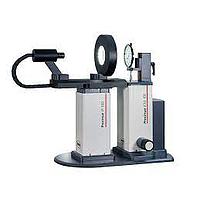
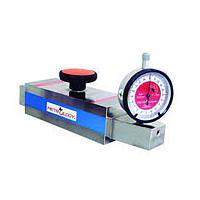
Two examples in this range are the Mahr Mechanical Calibration Equipment Repair Service and the METROLOGY Mechanical Calibration Equipment Repair Service. These service entries help illustrate the scope of support available for users working with established mechanical metrology equipment.
Brand-specific repair services can be helpful when buyers want a clearer path for matching service requests to the equipment they use. At the same time, the main goal remains the same: restoring mechanical condition, evaluating functional performance, and helping determine whether the instrument is suitable for continued use after repair.
What to consider before sending equipment for repair
Before arranging service, it is useful to review the actual symptoms seen during operation. A brief note describing inconsistent readings, damaged parts, movement resistance, or physical impact history can make evaluation more efficient. If available, previous calibration records or service history may also help identify whether the problem is recent or part of a longer-term pattern.
Buyers should also think about how the equipment is used in daily work. A unit used in frequent production checks may require faster turnaround and a clearer assessment of whether repair is economically reasonable. In lower-frequency metrology applications, preserving instrument condition and measurement stability may be the higher priority.
Mechanical repair within a wider calibration service ecosystem
Mechanical calibrator service often sits alongside other equipment repair needs in industrial maintenance and laboratory environments. Organizations managing mixed fleets may also need support for electronic and process-related instruments, depending on the types of measurements performed across production, utilities, or inspection workflows.
For example, teams handling multiple instrument types may also review services such as electrical calibrator repair or pressure comparator repair. Looking at related service categories can help procurement and maintenance teams organize vendor selection more efficiently across different calibration assets.
How to choose the right repair path
The right service approach depends on the instrument type, the severity of the fault, the role of the equipment in your quality process, and the expected return from repair. For some users, the main requirement is restoring basic functionality for internal checks. For others, the priority is achieving stable performance suitable for controlled calibration workflows.
It is also worth considering the manufacturer context when selecting a service route. If your facility standardizes on specific brands, manufacturer-linked service options may simplify identification and communication. If your focus is broader fleet management, service category alignment and symptom-based evaluation may be the more practical way to start.
Who typically needs this category
This category is relevant for calibration laboratories, quality departments, machine shops, manufacturing plants, maintenance teams, technical service providers, and organizations that rely on dimensional or mechanical verification equipment. In these environments, repair decisions are usually tied to uptime, traceability expectations, inspection repeatability, and replacement cost.
A structured repair service workflow can help reduce uncertainty around instrument condition. It also gives buyers a clearer basis for deciding whether to proceed with repair, schedule follow-up calibration, or retire equipment that no longer meets operational requirements.
Supporting better equipment decisions
Choosing a mechanical calibration equipment repair service is not only about fixing a fault. It is about preserving measurement confidence, improving asset utilization, and supporting consistent results in day-to-day technical work. Whether you are managing a single unit or a broader instrument inventory, a focused service category makes it easier to identify relevant support options.
For buyers comparing available solutions, this page provides a practical starting point for mechanical calibrator repair needs, including manufacturer-oriented service options and adjacent repair categories where broader calibration support is required. A careful review of equipment condition, usage demands, and service scope will usually lead to a more efficient and defensible repair decision.
Get exclusive volume discounts, bulk pricing updates, and new product alerts delivered directly to your inbox.
By subscribing, you agree to our Terms of Service and Privacy Policy.
Direct access to our certified experts