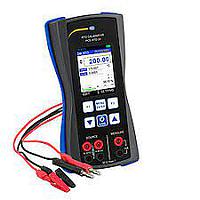
Calibrator Repair Service
When a calibrator drifts, fails self-checks, or produces unstable output, the impact goes beyond one instrument. It can interrupt verification routines, delay maintenance work, and reduce confidence in the measurements used across production, utilities, laboratories, and field service. A reliable Calibrator Repair Service helps restore instrument performance so calibration workflows can continue with fewer disruptions.
This category covers repair support for a broad range of calibrator types used in electrical, pressure, mechanical, flow, audio, and oscilloscope-related applications. Whether the issue involves output instability, damaged interfaces, mechanical wear, or general performance degradation, the goal is to return the device to dependable operating condition with a repair approach that matches the instrument’s function and measurement role.
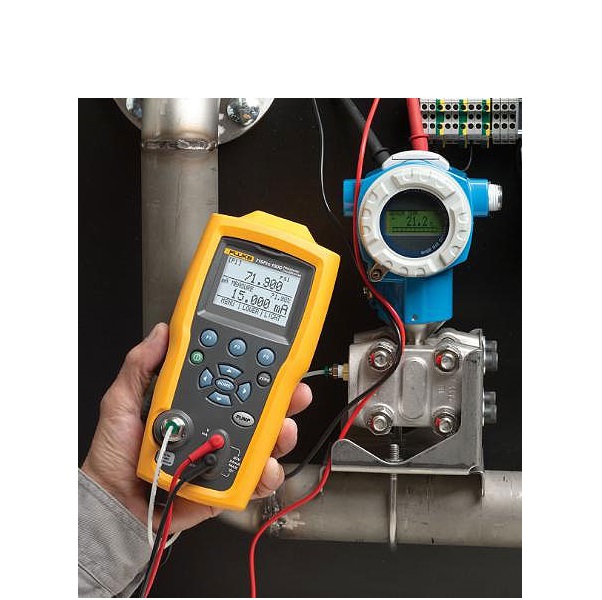
Why calibrator repair matters in technical environments
Calibrators are often used as reference tools for checking other instruments, so their condition directly affects the quality of downstream testing and maintenance. A problem in one calibrator can influence troubleshooting, commissioning, preventive maintenance, and compliance-related tasks across multiple assets.
Repair is especially important when an instrument still fits the application but no longer performs consistently. Instead of replacing a familiar device immediately, many teams first evaluate whether the fault is serviceable, whether critical functions can be restored, and whether the repaired unit can return to its intended process with confidence.
Common calibrator types covered by this category
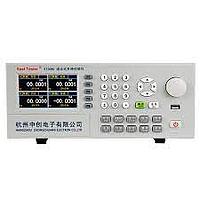
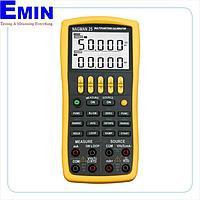
This category is broad because calibrators serve different physical quantities and test methods. In practical use, that includes electrical signal generation and simulation, pressure verification, resistance or capacitance standards, mechanical calibration equipment, flow-related calibration tools, and specialized devices for sound or oscilloscope applications.
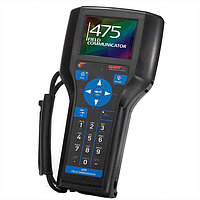
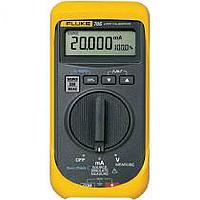
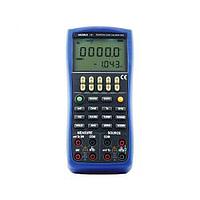
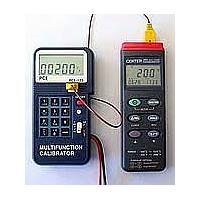
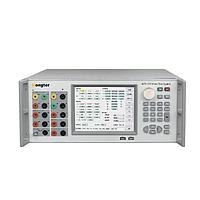
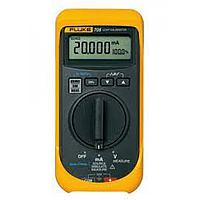
For example, organizations may need repair support for items such as the FlukeCal Electric Calibrator Repair Service, the KEITHLEY Electric Calibrator Repair Service, or the Chauvin Arnoux Resistance/Capacitance/Inductance Calibrator Repair Service. Pressure-related work may involve tools like the FlukeCal Portable Pressure Calibrator Repair Service or WIKA Precision Pressure Test Gauge Repair Service, while more specialized needs can include the TESTO Sound Calibrator Repair Service and FLUKE Oscilloscope Calibrator Repair Service.
Typical faults seen in calibrators
Failure symptoms vary by instrument type, but several patterns are common across the category. These include inaccurate or unstable output, keypad or display problems, power-on failure, communication errors, intermittent connections, damaged input/output terminals, and mechanical wear that affects adjustment or sealing performance.
Pressure and flow-related units may also show leakage-related symptoms, unstable readings, or poor response during source and measure functions. Electrical and electronic calibrators can suffer from output drift, protection circuit damage, or channel-specific issues after heavy use or incorrect connection. When the calibrator supports broader electronic diagnostics, related service needs may overlap with electrical and electronic meter repair or instrument-specific troubleshooting.
Repair support across leading manufacturers
This category includes service relevance for widely used brands in calibration and test environments. Examples from the available range include FLUKE, Fluke (Calibration), KEYSIGHT, KEITHLEY, Chauvin Arnoux, Mahr, TESTO, and WIKA. Different manufacturers design calibrators for different priorities, from portable field verification to bench-level electrical simulation or pressure reference tasks.
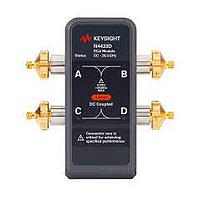
Illustrative services in this category include KEYSIGHT Hipot Tester Calibrator Repair Service for electrical safety-related applications, Mahr Mechanical Calibration Equipment Repair Service for dimensional or mechanical verification contexts, and FLUKE Precision Pressure Test Gauge Repair Service for pressure-focused workflows. Mentioning these examples helps clarify the scope of the category without limiting it to a single technology type.
How to choose the right repair path
The most effective repair path starts with the calibrator’s actual role in your process. A portable pressure unit used in field maintenance has different service priorities than a bench electrical calibrator used for lab verification. Before selecting a service, it helps to identify the instrument type, the failure symptoms, the required functions, and whether the unit is part of a larger calibration chain.
It is also useful to consider the surrounding equipment ecosystem. If the device is used alongside pressure gauges, oscilloscopes, thermal instruments, or mechanical measuring tools, the repair scope may need to account for compatibility and workflow continuity. In related cases, users may also review categories such as oscilloscope and logic analyzer repair or mechanical measuring instrument repair to support the broader test setup.
Examples of applications supported by calibrator repair
Electrical calibration is common in electronics manufacturing, maintenance labs, and instrument service centers where voltage, current, resistance, capacitance, or inductance functions are required. In these environments, stable output and repeatable operation are essential for comparing or verifying other devices.
Pressure calibration is widely used in process plants, utilities, HVAC service, and industrial maintenance. Portable pressure calibrators and precision test gauges are often exposed to field conditions, frequent transport, and repetitive use, making timely repair especially important when accuracy or stability becomes questionable.
Specialized calibration tasks include sound, flow, torque, vibration, oscilloscope, and mechanical applications. These tools may not be used as frequently as general-purpose electrical instruments, but when they are needed, they are often critical to a specific validation or service procedure. Repair support helps keep those less common but operationally important tools available.
What users typically look for in this category
Most buyers searching this category are not just looking for a generic repair listing. They usually need a service path that aligns with the instrument class, the manufacturer, and the measurement function involved. Clear categorization matters because a process signal calibrator, a pressure calibrator, and a resistance or capacitance standard do not fail in the same way and are not evaluated in the same operating context.
That is why this category is useful as a starting point for both broad and targeted requirements. It helps users narrow down whether they are dealing with an electrical, pressure, mechanical, flow, or specialized calibrator issue, then move toward the most relevant repair option based on the actual instrument in service.
Final considerations before requesting repair
Before sending a unit for service, it is worth documenting the fault symptoms, operating conditions, and any visible damage or abnormal behavior. Information such as error messages, unstable outputs, failed channels, pressure leakage, display issues, or recent overload events can help clarify the likely repair scope and reduce unnecessary back-and-forth.
For organizations that rely on reference instruments every day, calibrator repair is not only about fixing a single device. It supports the integrity of broader maintenance and verification work. If you are comparing service options across electrical, pressure, mechanical, or specialized calibration tools, this category provides a practical route to identify the right repair service for the instrument you use.
Get exclusive volume discounts, bulk pricing updates, and new product alerts delivered directly to your inbox.
By subscribing, you agree to our Terms of Service and Privacy Policy.
Direct access to our certified experts