Electrical and electronic meter Repair Service
When electrical test instruments begin to drift, fail to power on, show unstable readings, or lose measurement confidence, repair is often the most practical path to restore usability and protect maintenance workflows. This category is designed for organizations that rely on field meters, bench instruments, and electrical diagnostic tools in production, utilities, laboratories, building services, and industrial maintenance.
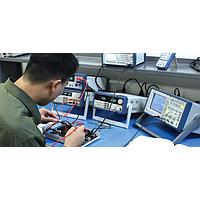
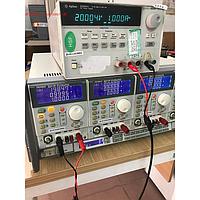
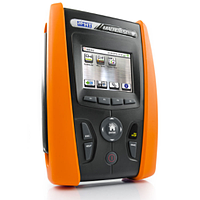
Electrical and electronic meter repair service covers a broad range of instruments used to measure current, voltage, resistance, grounding, safety, and other electrical parameters. Instead of treating every fault the same way, repair work should match the instrument type, operating environment, and the level of accuracy required by the application.
Support for a wide range of electrical measurement instruments
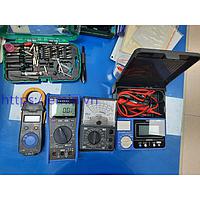
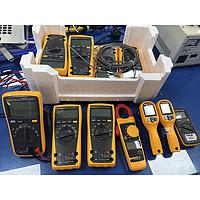
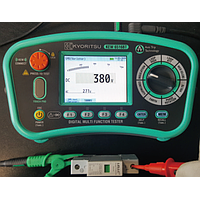
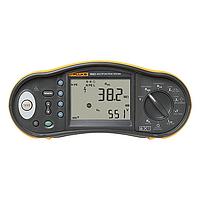
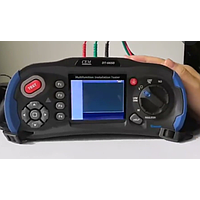
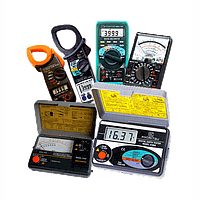
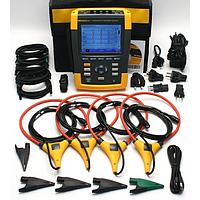
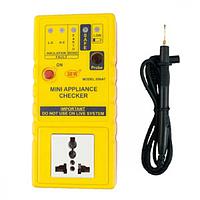
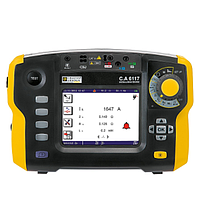
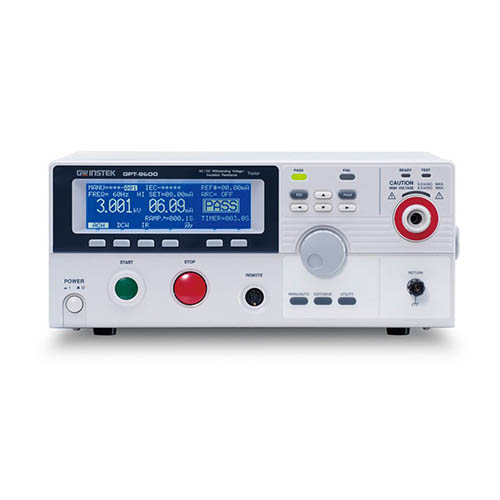
This service category is relevant for many common instrument families used in troubleshooting and inspection. Typical examples include clamp meters, phase indicators, earth testers, safety testers, picoammeters, nanovoltmeters, and other portable or benchtop electrical measuring devices that are exposed to daily wear, transport stress, and demanding site conditions.
Some representative repair entries in this category include the HIOKI Phase Indicator Repair Service, FLUKE Phase Indicator Repair Service, HIOKI Clamp Meter Repair Service, FLIR Clamp Meter Repair Service, Hioki Safety Testers Repair Service, and Chauvin Arnoux Earth Resistance/Resistivity Tester Repair Service. These examples illustrate the breadth of supported instrument types rather than limiting the service to a single brand or device family.
Common issues that lead to meter repair
Electrical and electronic meters can fail gradually or suddenly. In many cases, users first notice abnormal behavior such as display problems, unstable measurement values, intermittent button response, damaged input terminals, charging or battery issues, communication faults, or inconsistent results compared with a known reference.
Environmental factors also matter. Instruments used in switchboards, substations, production lines, outdoor grounding checks, or maintenance routes may be affected by dust, humidity, vibration, overload events, or accidental misuse. For instruments with more sensitive front-end circuitry, such as picoammeters or nanovoltmeters, even a small internal fault can have a major impact on low-level measurement accuracy and repeatability.
Why specialized repair matters for electrical test equipment
Repairing an electrical meter is not only about replacing visibly damaged parts. Many instruments depend on stable input stages, protection circuits, switching paths, displays, power sections, and internal references working together correctly. If one part of that chain is compromised, the instrument may still turn on but no longer perform reliably in real measurement conditions.
This is especially important for equipment used in safety checks and diagnostic work. A repaired phase indicator, earth tester, or clamp meter should be assessed with attention to function, operating condition, and measurement behavior. For broader service needs across related instruments, users may also explore oscilloscope and logic analyzer repair services when troubleshooting extends beyond handheld electrical meters.
Brand familiarity and model-specific handling
Repair requirements can vary depending on the manufacturer’s design approach, interface layout, internal architecture, and intended use case. This category includes service examples associated with well-known brands such as HIOKI, FLUKE, Chauvin Arnoux, FLIR, KEITHLEY, and KEYSIGHT, all of which are commonly used in industrial and laboratory environments.
Examples from the current service range include KEITHLEY Picoammeter/Nanovoltmeter Repair Service and KEYSIGHT Picoammeter/Nanovoltmeter Repair Service, which are relevant for highly sensitive measurement tasks. At the same time, practical field instruments such as clamp meters and earth resistance testers often require attention to input protection, mechanical wear, and display or keypad reliability after long-term use.
Typical applications behind repair requests
Organizations usually seek repair because these instruments are tied directly to operating tasks, not just inventory lists. Clamp meters are widely used for current checks in electrical panels and maintenance rounds. Phase indicators help verify phase sequence during installation and commissioning. Earth resistance and resistivity testers support grounding validation in utilities, construction, and facility management. Safety testers are essential where electrical protection and compliance checks are part of routine operations.
In research, electronics, and precision test environments, picoammeters and nanovoltmeters are used for very small signal measurements where instrument condition becomes critical. If your requirements extend into adjacent instrument groups, related options such as DC/AC power supply repair or thermal camera and thermometer repair services may also be relevant within the same maintenance ecosystem.
How to evaluate the right repair service
A useful repair scope starts with the actual instrument role in your workflow. For some users, the main concern is restoring basic operation so the unit can return to routine field service. For others, especially with sensitive electrical measuring equipment, the priority is whether the device can deliver stable readings, predictable behavior, and dependable performance after repair.
It also helps to identify the type of fault before submitting a request. Notes such as “no display,” “incorrect current reading,” “fails self-test,” “damaged terminals,” or “unstable resistance result” can speed up triage and improve service efficiency. For companies managing mixed fleets of instruments, this category can be used alongside broader mechanical measuring instrument repair services when both electrical and dimensional tools need support.
Representative repair services in this category
The category includes repair service examples for several instrument types and manufacturers, including HIOKI Phase Indicator Repair Service, FLUKE Phase Indicator Repair Service, HIOKI Clamp Meter Repair Service, Chauvin Arnoux Clamp Meter Repair Service, FLIR Clamp Meter Repair Service, Chauvin Arnoux Earth Resistance/Resistivity Tester Repair Service, Hioki Safety Testers Repair Service, and Chauvin Arnoux Safety Testers Repair Service.
It also covers more specialized laboratory-oriented entries such as KEITHLEY Electrochemistry Equipment Repair Service, KEITHLEY Picoammeter/Nanovoltmeter Repair Service, and KEYSIGHT Picoammeter/Nanovoltmeter Repair Service. Together, these examples show that the category supports both everyday field meters and specialized electronic measurement instruments used in advanced test environments.
Choosing a practical path to restore instrument availability
For many B2B users, instrument downtime affects troubleshooting speed, maintenance schedules, and verification tasks across multiple teams. A well-scoped repair service helps extend equipment life, reduce replacement pressure, and return familiar instruments to service where continued use is operationally sensible.
If you are reviewing options for a failed or unstable meter, this category provides a focused starting point for electrical and electronic test equipment used in real industrial and technical workflows. The most effective choice usually comes from matching the repair path to the instrument type, fault symptoms, and the level of measurement confidence your application requires.
Get exclusive volume discounts, bulk pricing updates, and new product alerts delivered directly to your inbox.
By subscribing, you agree to our Terms of Service and Privacy Policy.
Direct access to our certified experts