Frequency Online Controller Repair Service
Unexpected frequency readings can disrupt process stability, trigger false alarms, and make it difficult to trust connected monitoring systems. When an online frequency controller starts drifting, stops responding, or shows inconsistent output, a targeted repair service is often the most practical way to restore reliable operation without replacing the entire control setup.
Frequency Online Controller Repair Service is intended for industrial users who need support for frequency monitoring and control devices used in continuous operation environments. This category is especially relevant for plants and facilities that depend on stable signal processing, dependable controller response, and reduced downtime in automation, utility, and process applications.
Why frequency controller repair matters in industrial systems
Online controllers are often installed in applications where measurement and control must run continuously. In these environments, a failure in the frequency controller can affect upstream sensing, downstream control logic, data logging, and operator visibility. Repair work helps restore the controller’s normal behavior so the broader system can return to stable operation.
Typical service needs may involve abnormal display behavior, unstable readings, output issues, communication faults, or poor response during operation. Rather than treating the controller as an isolated device, repair is usually most effective when approached as part of the overall measurement and control chain.
Scope of this repair service category
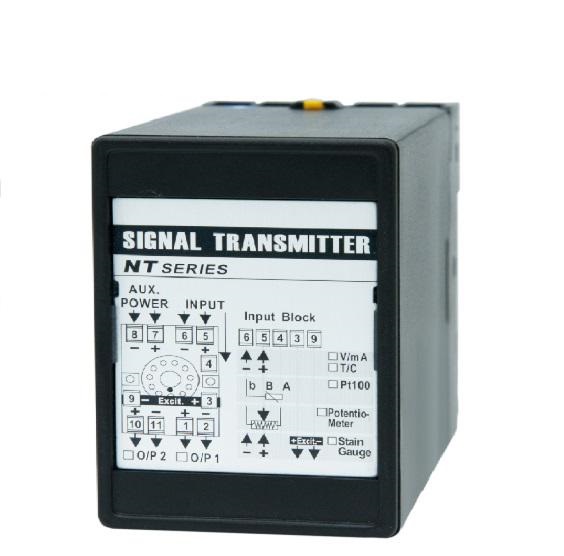
This category focuses on repair support for frequency-related online controllers, including representative service options such as the Adtek Frequency Online Controller Repair Service. The goal is to address faults that affect measurement continuity, controller reliability, and practical usability in the field.
Depending on the equipment condition, repair work may involve fault diagnosis, inspection of core electronic functions, restoration of input and output behavior, and verification that the controller can operate correctly again in its intended application. For buyers comparing service options across process instrumentation, this category sits within a broader repair ecosystem for online sensing and control equipment.
Common issues seen in frequency online controllers
Frequency controllers can develop problems gradually or fail suddenly after long operating cycles, electrical stress, or environmental exposure. Common symptoms include unstable frequency indication, inaccurate conversion behavior, intermittent display loss, keypad malfunction, relay or analog output errors, and startup issues after power cycling.
In real plant conditions, these symptoms can be difficult to separate from wiring, sensor, or external control problems. That is why repair service is valuable not only for component-level restoration but also for identifying whether the issue originates inside the controller itself. If your application includes other water and process analyzers, related service categories such as conductivity and TDS controller repair may also be relevant when troubleshooting a larger instrumentation network.
Brand context and compatible service needs
For teams using Adtek instrumentation, repair support can be especially useful when an installed unit remains mechanically suitable but its electronic performance has degraded over time. In these cases, servicing an existing controller may help maintain continuity with the current panel layout, wiring scheme, and process logic.
The listed Adtek Frequency Online Controller Repair Service serves as a practical reference for this category. It reflects the kind of support buyers often look for when they need to recover function from installed frequency monitoring equipment rather than immediately moving to a full replacement project.
How to evaluate whether repair is the right option
Repair is typically worth considering when the controller is already integrated into the system, the fault appears localized, and the surrounding instrumentation remains serviceable. This can be a sensible approach for facilities that want to reduce downtime, control maintenance cost, and avoid unnecessary changes to panels or operating procedures.
Before selecting a service, it helps to prepare a clear fault description: what the controller is doing, when the issue occurs, whether outputs are affected, and whether related devices show normal behavior. This information can make the repair process more efficient and improve the chance of identifying the root cause correctly.
When similar issues appear across different process measurement points, it may also be useful to review related repair categories such as chlorine sensor and controller repair or free ion sensor controller repair, especially in facilities managing multiple online analyzers at once.
Where this service fits in a broader maintenance strategy
Frequency controller repair is most effective when it forms part of a structured maintenance approach. Facilities that track recurring failures, panel conditions, power quality, and device age are usually better positioned to decide whether to repair, rotate spare units, or plan replacement in stages.
In many industrial settings, online controllers work alongside other sensor interfaces and process instruments that may age at different rates. Looking at repair needs category by category helps maintenance teams prioritize resources and keep critical monitoring points available without overextending shutdown windows.
Choosing a suitable repair service partner
For B2B buyers, the value of a repair service is not only in restoring power to the device but in returning dependable function to the process. A suitable service should support practical fault assessment, understand the role of online controllers in continuous systems, and align with the operational realities of industrial maintenance.
It is also useful to work with a supplier that can support adjacent instrumentation categories when needed. For example, in plants where weighing or solids monitoring is also part of operations, related services such as load cell controller repair can complement a broader reliability program.
Practical considerations before sending a unit for repair
Before arranging service, document the controller model, observed fault symptoms, installation environment, and any recent changes in wiring or process conditions. If the device is part of a control panel, noting how it interacts with sensors, alarms, and outputs can also help shorten diagnostic time.
For maintenance teams, a good repair decision is usually based on application importance, spare availability, and the operational impact of failure. In many cases, restoring an existing frequency controller is a practical way to keep the system running while preserving compatibility with the installed process architecture.
Choosing the right repair path comes down to how critical the controller is to your operation and how effectively the fault can be isolated. This category helps buyers find focused support for frequency online controller issues, while also fitting naturally into a wider maintenance strategy for industrial sensors, analyzers, and control equipment.
Get exclusive volume discounts, bulk pricing updates, and new product alerts delivered directly to your inbox.
By subscribing, you agree to our Terms of Service and Privacy Policy.
Direct access to our certified experts