Load Cell Online Controller Repair Service
When weighing systems start showing unstable readings, delayed response, or communication faults, the issue is often not limited to the sensor alone. In many industrial setups, the controller that receives and processes the load cell signal plays a central role in accuracy, repeatability, and day-to-day operation. This is where Load Cell Online Controller Repair Service becomes relevant for maintenance teams, integrators, and production facilities that need dependable signal processing without unnecessary downtime.
This service category is intended for applications where load cell controllers are already installed in the field and require troubleshooting, functional repair, or recovery of normal operation. It is especially useful in systems where weighing data is tied to dosing, batching, packaging, tank monitoring, or other automated processes that depend on stable controller performance.
Why load cell controller repair matters in industrial weighing systems
A load cell measures force or weight, but the controller is the part that converts and manages that signal for display, control logic, or communication with other equipment. If the controller drifts, loses calibration behavior, fails to read the input correctly, or becomes unstable during operation, the entire weighing process can be affected even when the load cell itself is still functional.
Repair service for these controllers can help restore proper signal handling, improve process continuity, and reduce the need for immediate replacement. In many facilities, this is important not only for cost control but also for minimizing disruption to connected systems such as PLCs, HMIs, or supervisory monitoring platforms.
Typical issues seen in load cell online controllers
Industrial users usually look for repair support when a controller begins to show inconsistent weight values, display errors, output instability, or communication loss with other devices. In some cases, the controller powers on but does not process the load cell input correctly. In others, the unit may operate intermittently, which is often harder to diagnose in a live process environment.
Repair work in this category is generally relevant when the controller is part of a running installation and the goal is to recover normal function as efficiently as possible. For weighing applications, even small signal errors can create larger process problems, especially in batching, filling, or material handling systems where measurement stability directly affects output quality.
Suitable applications for this service
Load cell controller repair is commonly needed in production lines and utility systems where weight data is used for process control rather than simple indication alone. Examples include hopper weighing, silo and tank monitoring, checkweighing support, feeder control, and packaging operations. In these environments, controller reliability supports both operational accuracy and process traceability.
This category can also be relevant when a controller is installed as part of a broader sensor and control network. If your system includes other online analytical or process devices, related repair categories such as conductivity and TDS controller repair or chlorine sensor controller repair may also be useful when planning broader maintenance support.
Representative brand and service scope
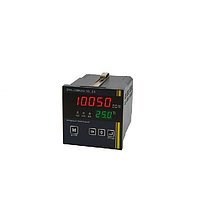
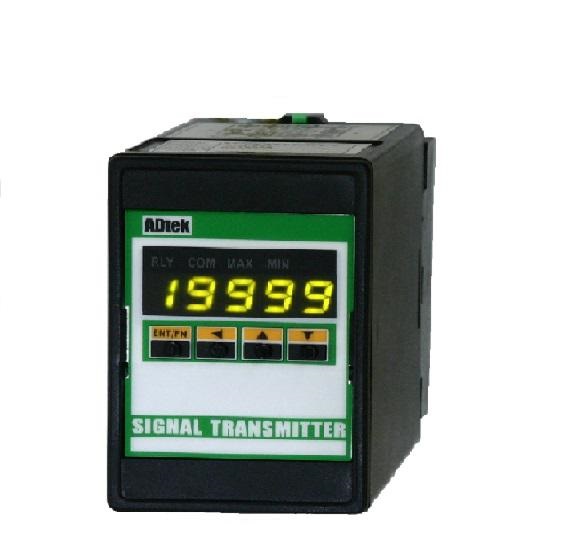
Within this category, Adtek is a featured manufacturer, and one representative item is the Adtek Controller, Load Cell online Repair Service. This reflects the practical need for support on installed controller hardware used in industrial weighing and force measurement applications.
The purpose of mentioning a specific brand or service item here is not to limit the scope to a single model, but to show the type of controller support covered by the category. In real projects, the repair process often begins with symptom review, operating condition assessment, and confirmation of how the controller interacts with the connected load cell, display, and control system.
How to evaluate whether repair is the right option
Repair is often a practical path when the installed controller is already integrated into the machine or process and replacement would require rewiring, reconfiguration, or production interruption. It can also make sense when the fault appears localized to signal processing, display behavior, power function, or output handling rather than to the mechanical structure of the weighing system.
Before submitting a unit for service, it is helpful to record the observed failure mode clearly. For example, note whether the controller is showing unstable readings, zero drift, no input response, relay output problems, or communication errors. This kind of information supports faster diagnosis and helps determine whether the issue is likely inside the controller, the wiring path, or the connected sensor chain.
Repair service within a wider instrumentation maintenance strategy
Many plants maintain more than one type of online controller across water treatment, chemical dosing, process monitoring, and production equipment. For that reason, load cell controller repair is often handled as part of a broader maintenance approach rather than as an isolated event. Grouping similar service needs can simplify planning and reduce time spent coordinating multiple repair channels.
If your site also operates other process sensors, related categories such as free ion sensor controller repair and SS and MLSS sensor controller repair may help when organizing service requirements across multiple instrument types.
What to prepare before requesting service
For online controller repair, the most useful starting details usually include the manufacturer name, model reference, installation role, and a short description of the fault. It is also helpful to mention whether the controller is connected to a single load cell or a larger weighing assembly, and whether the problem is constant or intermittent.
Clear problem reporting supports a more efficient service workflow and reduces unnecessary back-and-forth during technical review. In B2B environments, that matters because weighing systems are often tied to production scheduling, material balance, and process control logic where downtime has wider operational impact.
Choosing the right service path for load cell controller issues
The right repair approach depends on how critical the controller is to the process, how the weighing data is used downstream, and whether the failure affects only indication or also automated control. A controller used for basic monitoring may allow more flexibility, while one used in closed-loop batching or dosing usually requires faster and more structured attention.
For teams managing industrial weighing systems, this category provides a focused route for addressing controller-related faults without treating every issue as a full system replacement. A well-matched online controller repair service can help restore usable performance, support maintenance planning, and keep load cell-based applications operating with greater continuity.
Get exclusive volume discounts, bulk pricing updates, and new product alerts delivered directly to your inbox.
By subscribing, you agree to our Terms of Service and Privacy Policy.
Direct access to our certified experts