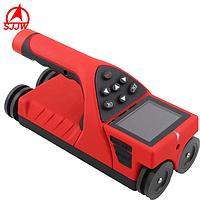
Soil, Concrete, Cement, Rock, Asphalt, Rebar Tester Repair Service
Reliable material testing depends on instruments that remain stable, repeatable, and safe to use in the field. When concrete, rebar, asphalt, rock, or soil testing equipment starts to drift, respond slowly, or show inconsistent readings, timely repair becomes essential to protect inspection quality and avoid costly retesting. This category brings together repair support for a wide range of instruments used in civil engineering, construction quality control, and non-destructive testing.

Our Soil, Concrete, Cement, Rock, Asphalt, Rebar Tester Repair Service scope is designed for users who work with structural assessment, site inspection, laboratory verification, and maintenance testing. It covers common instrument families used to evaluate strength, cover depth, corrosion risk, ultrasonic transmission, pull-off adhesion, and related parameters. Whether the issue involves damaged probes, unstable measurements, display faults, charging problems, or general wear from field use, repair support helps extend equipment life and maintain dependable operation.
Repair support for critical construction testing equipment
Material testing instruments often operate in harsh environments such as active construction sites, infrastructure inspections, and industrial maintenance areas. Dust, vibration, moisture, impact, cable stress, and repeated transport can gradually affect sensors, housings, connectors, and electronic assemblies. Even minor faults may lead to inconsistent results, which can influence inspection decisions and reporting quality.
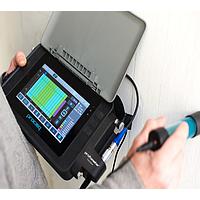
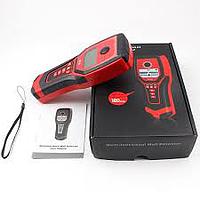
This category is especially relevant for teams using rebar locators, corrosion detectors, resistivity meters, ultrasonic pulse velocity devices, steel structure analyzers, and concrete strength instruments. If your service needs extend into other instrument groups, related support is also available for electrical and electronic meter repair where that overlap is relevant to mixed inspection workflows.
Typical instruments covered in this category
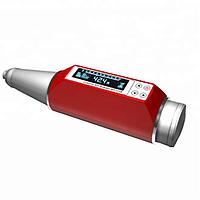
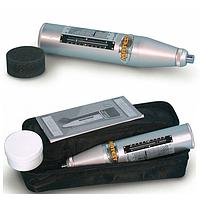
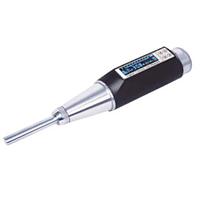
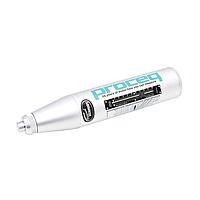
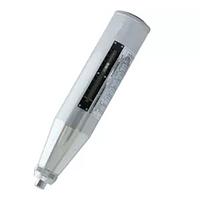
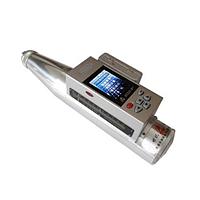
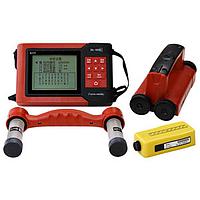
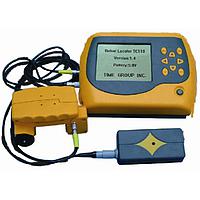
The service scope includes repair for equipment used across concrete testing, rebar detection, structural evaluation, and surface condition assessment. Examples from this category include the Novotest Concrete Strength Meter Repair Service, repair support for steel analysis tools such as the NOVOTEST Steel Structure Analyzer Repair Service, and rebar inspection devices like the Proceq Cover Meter & Rebar Detector Repair Service.
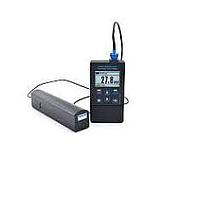
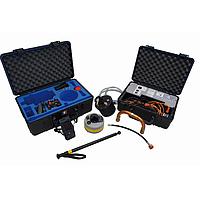
It also includes specialized solutions for durability and corrosion evaluation, such as the Proceq Resipod Resistivity Meter Repair Service, Proceq Rebar Corrosion Detection Repair Service, and Elcometer Rebar Corrosion Detection Repair Service. For adhesion and bond-related testing, users may also require support for instruments such as the Proceq Pull Off Tester For Concrete Repair Service or ultrasonic systems like the Proceq Ultrasonic Pulse Velocity Repair Service.
Common faults seen in concrete and rebar testing devices
Many failures begin with symptoms that seem small at first: unstable readings, incomplete scans, keypad response issues, intermittent charging, lost communication with accessories, or sudden shutdown during measurement. In rebar detectors and cover meters, faults may appear as inaccurate depth indication, weak signal detection, or calibration drift after impact or prolonged use. In ultrasonic and resistivity instruments, cable wear, connector damage, and probe-related issues are also common.
Mechanical stress from field operation can also affect enclosures, displays, battery compartments, and sensor alignment. For equipment used in structural inspections, repeatability matters just as much as basic power-on status. A device that turns on but no longer measures consistently may still require professional diagnosis and repair before it can be trusted for routine work.
Supported manufacturers and repair ecosystem
This category can support instruments from widely used brands in construction testing and non-destructive evaluation. Among the most relevant names are PROCEQ, ELCOMETER, NOVOTEST, MADE, T-measurement, and Matest. These manufacturers are associated with instruments used for cover measurement, corrosion detection, concrete strength evaluation, and related inspection tasks.
Brand-specific repair demand often depends on the type of equipment in use and the conditions of the application. For example, handheld instruments for field inspection may see more enclosure and connector wear, while lab-supported systems may require attention to sensor stability or interface faults. The goal is not simply to restore power, but to bring the instrument back to a condition suitable for real inspection work.
How to choose the right repair path
The most efficient repair process starts with identifying the instrument type and the main failure symptoms. A rebar detector, resistivity meter, pull-off tester, and concrete strength meter each involve different sensing methods and different likely failure points. Clear information about the problem helps determine whether the issue is related to electronics, probes, accessories, user interface components, or measurement performance.
It is also useful to review the instrument’s role in your workflow. If the device is part of a broader test and inspection setup, you may also need support in adjacent categories such as mechanical measuring instruments repair services or thermometers and thermal cameras repair for site diagnostics and condition assessment activities.
Applications where dependable repair matters most
Repair quality is especially important in sectors where test results affect engineering judgment, acceptance decisions, or maintenance planning. This includes building inspection, bridge and infrastructure evaluation, precast and ready-mix quality control, corrosion monitoring, renovation projects, and structural rehabilitation. Instruments used in these environments must remain dependable under real operating conditions, not just in basic bench tests.
Non-destructive testing and construction materials evaluation often involve repeated field deployment and high usage frequency. That makes preventive attention and timely repair a practical way to reduce downtime and preserve continuity in inspection programs. When instruments are restored correctly, users can continue working with better confidence in measurement consistency and operational reliability.
Why this category helps B2B buyers and technical teams
For contractors, testing laboratories, inspection companies, and maintenance teams, a structured repair category makes it easier to locate service support by instrument family rather than searching model by model. This is particularly useful when organizations manage mixed fleets from different brands or need support across several testing methods at once. Instead of treating each device as an isolated case, the category approach reflects the real-world ecosystem of construction and structural testing equipment.
Repair service for these instruments is ultimately about maintaining measurement confidence, reducing replacement pressure, and supporting longer equipment life. If your work depends on concrete assessment, rebar location, corrosion detection, ultrasonic evaluation, or material strength verification, this category provides a practical starting point for identifying the right service path for the instruments you already use.
Choosing the right support begins with understanding how the instrument is used, what symptoms it shows, and how critical it is to your inspection workflow. From cover meters and corrosion detectors to concrete strength and ultrasonic devices, a focused repair service helps keep essential testing equipment operating reliably and ready for the next project.
Get exclusive volume discounts, bulk pricing updates, and new product alerts delivered directly to your inbox.
By subscribing, you agree to our Terms of Service and Privacy Policy.
Direct access to our certified experts