Specialty Meters Repair Service
When a test instrument is highly specialized, even a small fault can interrupt inspection routines, maintenance work, quality control, or field diagnostics. This is where Specialty Meters Repair Service becomes important: not just to restore power, but to bring back stable measurement performance, dependable operation, and practical usability in real working conditions.
This category is intended for organizations that rely on niche measuring instruments across industrial maintenance, laboratories, utilities, coating inspection, flow monitoring, color evaluation, vibration analysis, and field detection tasks. Because these devices often serve very specific applications, repair work needs to be approached with a clear understanding of how the instrument is used, what type of failure affects it, and what level of functionality must be recovered.
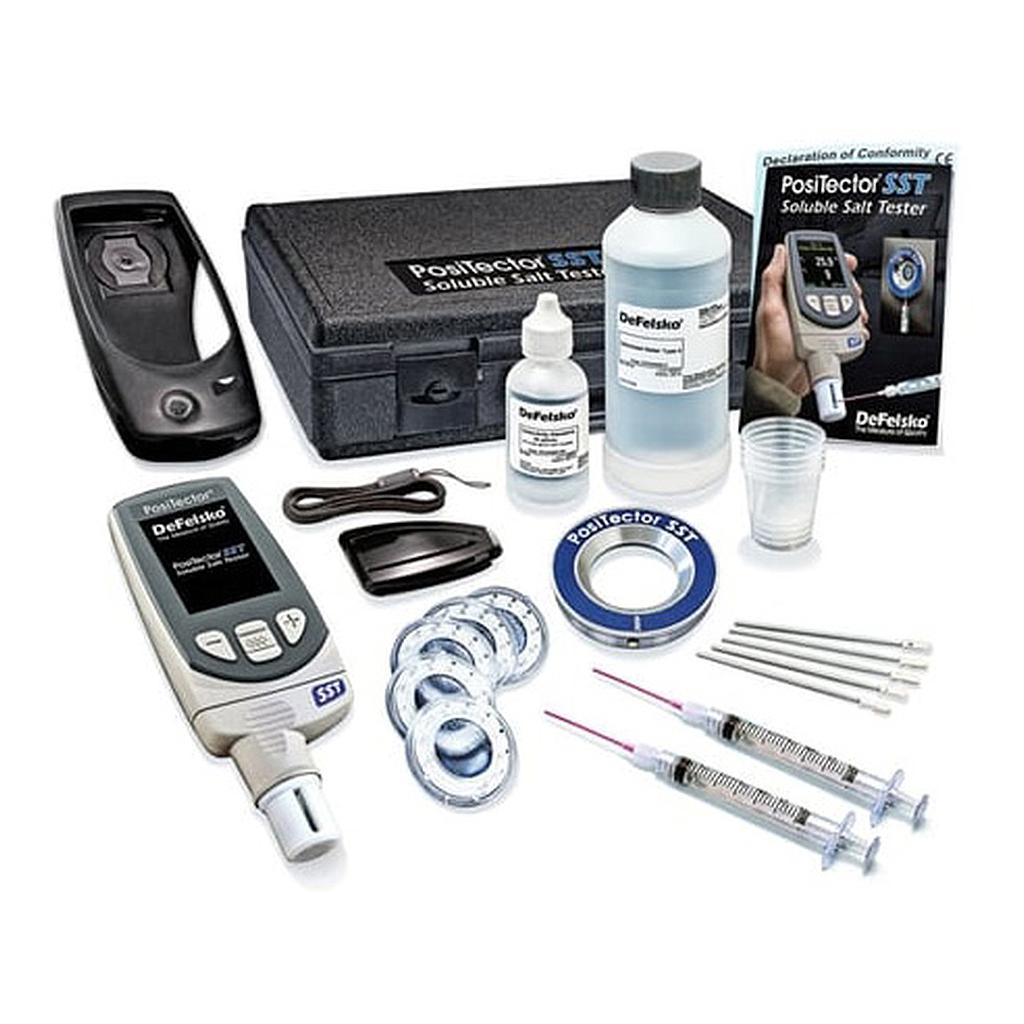
What falls under specialty meter repair
Specialty meters cover a broader range of instruments than standard electrical handheld tools. In practice, this can include equipment used for coating and adhesion evaluation, vibration monitoring, flow measurement, color analysis, stopwatch timing, smoke sensor testing, and metal detection. Each instrument type has its own sensing principle, user interface, and operating environment, so repair requirements are rarely one-size-fits-all.
For many users, the challenge is not only a complete failure. Instruments may still power on but produce drifting values, unstable readings, display errors, communication issues, damaged controls, weak sensors, or unreliable response under actual field conditions. A useful repair process therefore focuses on both functional recovery and the practical performance expected in day-to-day use.
Typical instruments supported in this category
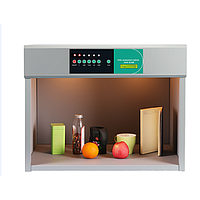
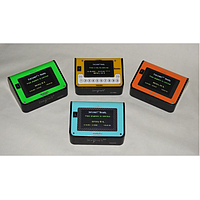
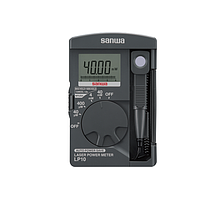
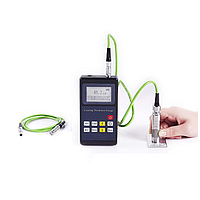
This category can support repair needs for a wide range of application-specific devices. Examples from commonly requested service cases include the MINELAB Metal Detector Repair Service, Garrett Metal Detector Repair Service, PCE Ultrasonic Flow Meter Repair Service, Xrite Spectrophotometer Repair Service, HACH Colour Meter Repair Service, EXTECH Vibration Meter Repair Service, and EXTECH Stopwatch/Timer/Clock Repair Service.
These examples show how diverse specialty instruments can be. Some are used in condition monitoring and process measurement, while others are essential for coating inspection, color consistency checks, field search operations, or time-based verification tasks. The repair approach depends heavily on the instrument’s role, because restoring a metal detector is different from troubleshooting a vibration meter or a spectrophotometer.
Common faults seen in specialty meters
Specialized instruments are often exposed to real industrial environments, so failures may result from wear, contamination, vibration, transport impact, aging components, or improper storage. Common symptoms include damaged displays, unresponsive buttons, connector problems, charging and battery issues, intermittent power, broken housings, and unstable measurement behavior.
Measurement-specific faults are also important. A vibration meter may suffer from sensor or signal path issues, while a color instrument may show repeatability problems, optical instability, or inaccurate comparison results. Flow and process-related devices can develop signal inconsistency, reading fluctuation, or communication errors. For users handling more conventional electronic instruments as well, related service options such as electrical and electronic meter repair may also be relevant.
Repair considerations by application
Not all specialty meters are evaluated in the same way after repair. A metal detector used in field operations must recover dependable detection response and operational stability. A color or spectrophotometric instrument used in quality control needs consistent optical behavior and trustworthy output for comparison tasks. Adhesion and coating-related tools may require attention to both mechanical condition and measurement integrity.
That is why application context matters. Services associated with products such as Xrite Spectrophotometer Repair Service, DEFELSKO Adhesion Tester Repair Service, ELCOMETER Adhesion Tester Repair Service, and PCE Colour Meter Repair Service highlight how repair work often extends beyond replacing a failed part. It also involves restoring the instrument’s usable measurement condition for the specific process where it is deployed.
Why manufacturer familiarity matters
Many buyers prefer service options that align with the original equipment brand because specialized instruments often have distinct architectures, accessories, operating logic, and known failure patterns. Within this category, commonly referenced manufacturers include PCE, FLUKE, HACH, MINELAB, Xrite, DEFELSKO, ELCOMETER, EXTECH, and Garrett.
Brand familiarity can be especially helpful when the repair request involves troubleshooting model-specific behavior, display layout differences, accessory compatibility, or user workflow expectations. For example, PCE instruments in this category appear across both flow and color-related applications, while EXTECH is represented in timing and vibration-related service cases. The goal is not to overemphasize brand names, but to recognize that equipment type and manufacturer design often shape the repair path.
How to choose the right service path
If your device belongs to a highly specific testing or measuring workflow, the first step is to identify the actual function of the instrument rather than focusing only on the visible symptom. A display fault on a color meter, for example, may be only part of the problem if the optical measurement chain is also affected. Likewise, a metal detector that powers on but performs poorly in use may require deeper diagnosis than a basic electrical fix.
It can also help to compare your need with adjacent service categories. Instruments with strong mechanical measurement elements may overlap with mechanical measuring instruments repair services, while more advanced bench and diagnostic electronics may be closer to oscilloscope and logic analyzer repair services. This makes it easier to route equipment to the most appropriate support path.
Who typically needs specialty meter repair services
This category is relevant to manufacturers, maintenance teams, inspection contractors, laboratories, utilities, coating specialists, and technical service providers that depend on application-specific measurement tools. In many cases, these instruments are not optional backups; they are tied directly to inspection schedules, maintenance decisions, compliance checks, or process verification.
Because replacement may not always be immediate or practical, repair service can be a sensible way to restore continuity without changing existing workflows. This is especially true when operators are already trained on a particular instrument family or when the device remains embedded in a routine testing process.
Final considerations before submitting an instrument for repair
Before sending in a unit, it is useful to note the exact symptom, operating conditions, accessories involved, and whether the fault is constant or intermittent. Information such as startup behavior, battery condition, probe or sensor issues, and any prior service history can help narrow down the likely cause more efficiently.
For businesses working with niche measurement equipment, a well-matched specialty meter repair service supports more than hardware recovery. It helps return critical instruments to dependable working condition so inspection, testing, monitoring, and field operations can continue with less disruption and better confidence in the equipment being used.
Get exclusive volume discounts, bulk pricing updates, and new product alerts delivered directly to your inbox.
By subscribing, you agree to our Terms of Service and Privacy Policy.
Direct access to our certified experts