Electrical Safety Meter Calibration Service
Reliable electrical safety measurements are essential wherever products, panels, appliances, medical devices, or production equipment must be verified before use or shipment. When a safety tester or related meter drifts out of tolerance, the impact is immediate: test results become less trustworthy, compliance records are harder to defend, and troubleshooting takes longer. That is why Electrical Safety Meter Calibration Service plays an important role in quality assurance, maintenance, and regulated testing environments.
This category is intended for organizations that need calibration support for instruments used in dielectric strength, insulation, grounding, leakage, ignition, and related electrical safety verification tasks. It is especially relevant for laboratories, manufacturers, service centers, and industrial maintenance teams that depend on repeatable measurement performance over time.
Why calibration matters for electrical safety instruments
Electrical safety meters and testers are often used to confirm whether equipment can be operated safely, released to customers, or accepted into service. In these workflows, even small measurement deviations can affect pass/fail decisions, internal audit readiness, and confidence in historical test records. Regular calibration helps maintain traceability and supports more consistent test execution across shifts, sites, or product lines.
Unlike general-purpose measurement tasks, safety testing frequently sits close to compliance checkpoints and final inspection. For that reason, calibration is not simply a maintenance activity; it is part of a broader measurement control strategy. Teams typically review service intervals based on instrument usage, criticality, environmental conditions, and internal quality procedures.
Instruments commonly covered in this category
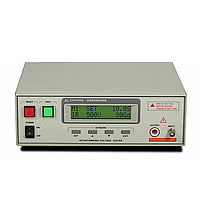
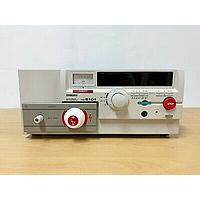
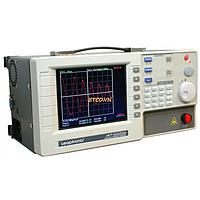
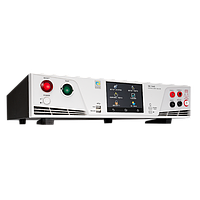
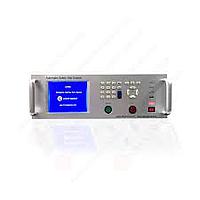
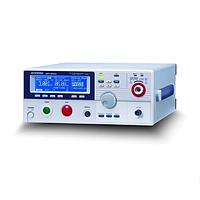
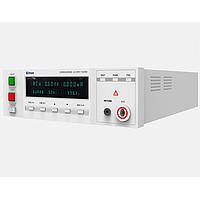
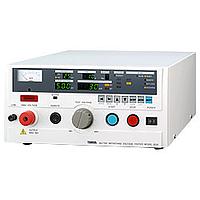
This category covers calibration service for meters and testers used in electrical safety verification. Common examples include safety testers used for production checks and inspection routines, as well as more specialized equipment such as igniter testers and electrochemistry-related instruments when calibration support is required for their measurement function.
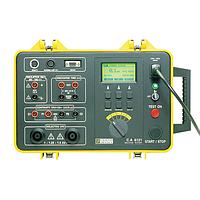
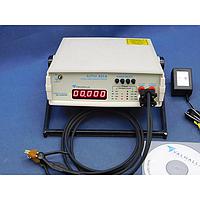
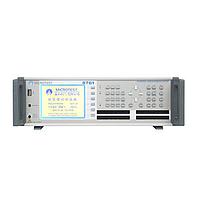
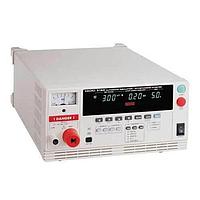
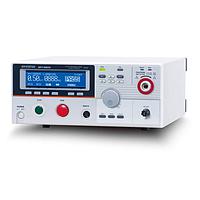
Representative services in this category include Hioki Safety Testers Calibration Service, GW INSTEK Safety Testers Calibration Service, Chauvin Arnoux Safety Testers Calibration Service, KIKUSUI Safety Testers Calibration Service, and Valhalla Scientific Igniter Tester Calibration Service. For organizations working across multiple test benches or mixed-brand fleets, support may also extend to LEAPTRONIX, EEC, TEXIO, and MICROTEST instruments depending on the installed base.
Typical use cases across industry
Electrical safety measurement is used in a wide range of B2B environments. Manufacturers apply it during incoming inspection, in-process verification, and final product testing. Maintenance teams rely on calibrated instruments when checking electrical assets, while laboratories and service providers need stable, documented performance to support customer reports and internal procedures.
These services are especially relevant when equipment is used in repetitive testing programs, where results must remain comparable over long periods. In such settings, a calibrated instrument helps reduce uncertainty when investigating failed units, comparing production lots, or validating corrective actions after process changes.
Supported brands and service scope
Many organizations standardize on specific instrument brands, while others operate a mixed inventory gathered over years of procurement cycles. This category includes service options associated with widely used manufacturers such as HIOKI, GW INSTEK, Chauvin Arnoux, KEITHLEY, and KIKUSUI. The goal is to support practical calibration needs across different electrical safety testing setups without forcing users into a one-brand-only workflow.
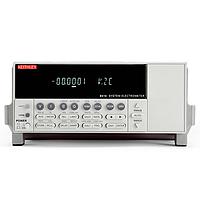
Examples shown in this category help illustrate that the scope is broader than one instrument family. Alongside standard safety testers, users may also find services such as KEITHLEY Electrochemistry Equipment Calibration Service when that equipment forms part of a controlled measurement environment. The exact calibration workflow can differ by instrument type, but the objective remains the same: restore confidence in the meter’s measurement performance and documentation trail.
How to choose the right calibration service
Selecting the right service starts with the instrument’s function and the role it plays in your process. A production-line safety tester used every day may need different scheduling and documentation attention than a lower-use meter kept for periodic verification. Before ordering, it is helpful to confirm the manufacturer, model family, application, and whether the instrument is part of a regulated or customer-audited process.
It is also worth considering how calibration fits into the rest of your electrical measurement program. If your facility manages several instrument types, related services such as multimeters calibration service or clamp meter calibration service may be relevant for keeping the wider test ecosystem aligned. For installation and field verification tasks, multifunction electrical installations meter calibration can also be a logical extension.
Benefits for quality, maintenance, and compliance workflows
A structured calibration program supports more than instrument accuracy alone. It helps quality teams maintain cleaner records, gives maintenance staff greater confidence during diagnostics, and reduces the risk of questionable test outcomes that can slow production or trigger unnecessary rework. In customer-facing environments, documented calibration status can also strengthen reporting and service credibility.
From an operational standpoint, calibrated electrical safety instruments help teams standardize test decisions and improve comparability between operators or sites. This is particularly valuable when similar products are tested on multiple stations, or when historical data is used to track process stability over time. In these cases, traceability and consistency are often just as important as the measurement itself.
When to review calibration intervals
There is no single interval that suits every instrument or every facility. Review cycles are often based on usage intensity, transport frequency, environmental stress, internal quality requirements, and the consequences of an out-of-tolerance result. Instruments used in production, final inspection, or safety-critical verification are often reviewed more closely than backup or low-use units.
Practical warning signs include inconsistent readings, failed verification checks, recent repair events, or changes in the application environment. If a tester is heavily relied upon for release decisions, a proactive calibration schedule is usually a more effective approach than waiting for performance questions to arise.
Finding the right service for your instrument fleet
Whether you operate a few bench instruments or manage a broader inventory of electrical test equipment, this category helps narrow down calibration services for safety-focused measurement devices. Featured options from brands such as HIOKI, GW INSTEK, Chauvin Arnoux, KEITHLEY, KIKUSUI, TEXIO, EEC, LEAPTRONIX, MICROTEST, and Valhalla Scientific provide a practical starting point for matching service needs to the instruments already in use.
Choosing the appropriate electrical safety meter calibration service is ultimately about protecting the reliability of your testing process. When instruments are kept under control and calibration records stay current, teams can make test decisions with greater confidence and keep broader quality and maintenance workflows running more smoothly.
Get exclusive volume discounts, bulk pricing updates, and new product alerts delivered directly to your inbox.
By subscribing, you agree to our Terms of Service and Privacy Policy.
Direct access to our certified experts