Electrical and electronic meter Calibration Service
Reliable measurement starts long before a test result is recorded. In production, maintenance, utilities, laboratories, and field service work, electrical and electronic instruments need regular verification to maintain confidence in voltage, current, resistance, capacitance, safety, and low-level signal readings. This is where Electrical and electronic meter Calibration Service becomes essential for traceable, repeatable work.
This category covers calibration support for a wide range of test and measurement instruments used in electrical diagnostics, electronics development, installation testing, and quality control. Whether the priority is routine maintenance, compliance support, or reducing uncertainty in critical measurements, calibration helps keep instruments aligned with their intended performance over time.
Why calibration matters for electrical and electronic instruments
Electrical meters and electronic test devices are often used to make decisions that affect safety, product quality, troubleshooting accuracy, and process stability. Even small deviations can lead to incorrect pass/fail judgments, poor process tuning, or unnecessary replacement of parts that are still functioning correctly.
A structured calibration service helps confirm that an instrument remains within acceptable tolerance across the functions it is designed to measure. For many organizations, this is not only a maintenance activity but also part of quality systems, audit readiness, and long-term asset management.
Equipment types commonly covered in this category
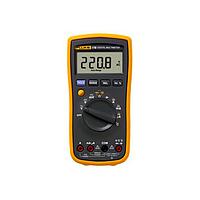
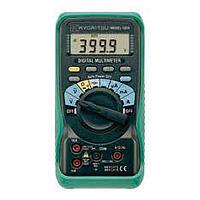
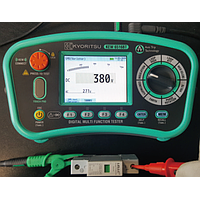
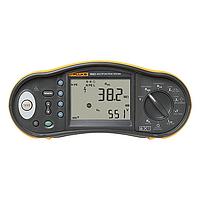
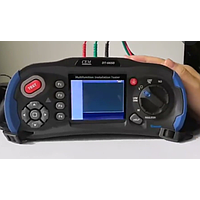
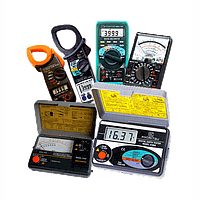
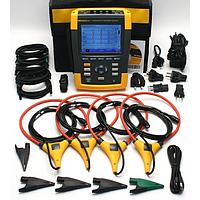
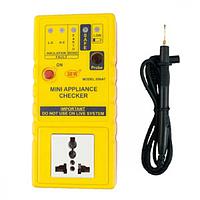
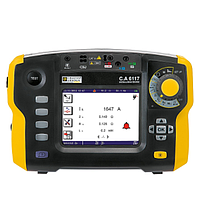
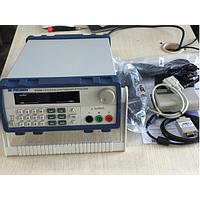
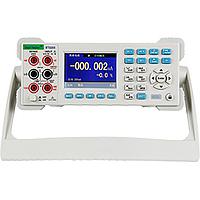
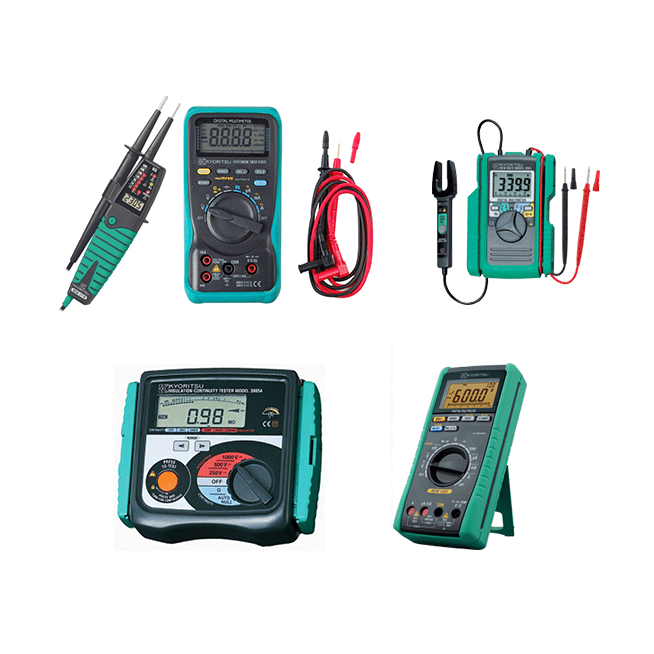
This category is broad because electrical and electronic measurement work spans many different instrument families. Typical examples include clamp meters, phase indicators, LCR meters, picoammeters, nanovoltmeters, safety testers, power analyzers, insulation testers, and other electrical installation or low-level signal measurement tools.
In practice, calibration needs vary by instrument type. A clamp meter may be checked for current and basic electrical functions, while an LCR meter focuses on component-related measurement performance. Instruments used for very small current or voltage readings require particular care because low-level measurement stability is highly sensitive to setup, environment, and reference conditions.
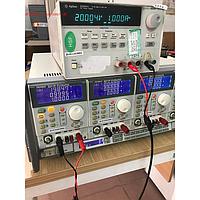
If your work also involves broader electronic test equipment, you may also want to review related services such as oscilloscopes and logic analyzers calibration or AC/DC power supply calibration where those instruments are part of the same workflow.
Examples of supported brands and instruments
This service scope includes instruments from well-known manufacturers widely used in industrial and laboratory environments. Brands appearing in this category include FLUKE, HIOKI, KEYSIGHT, KEITHLEY, Rohde & Schwarz, FLIR, Chauvin Arnoux, and others represented through specific calibration service listings.
Representative examples in the category include HIOKI Clamp Meter Calibration Service, FLUKE Phase Indicator Calibration Service, KEITHLEY Picoammeter/Nanovoltmeter Calibration Service, KEYSIGHT Picoammeter/Nanovoltmeter Calibration Service, Hioki Safety Testers Calibration Service, Chauvin Arnoux Clamp Meter Calibration Service, and calibration support for Rohde & Schwarz LCR meters. These examples illustrate the breadth of the category, from field electrical tools to more specialized bench instruments.
Where brand-specific workflows matter, users may also explore manufacturer pages such as HIOKI instruments or other supported brands to narrow down suitable service options for existing equipment fleets.
How to choose the right calibration service
The most effective starting point is the actual instrument type and the way it is used in your process. A field technician checking installation current has different priorities from an R&D team measuring leakage, picoamp-level current, or very small voltage signals. Matching the service to the instrument’s application helps avoid under-scoping or requesting unnecessary work.
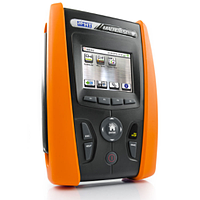
It is also useful to group instruments by function. For example, clamp meters and phase indicators support field electrical testing, while LCR meters and picoammeter/nanovoltmeter systems are more closely tied to electronics characterization and laboratory measurement. Safety testers and electrical installation instruments often support compliance-related tasks, where measurement confidence is especially important.
If your equipment portfolio extends beyond electrical meters, related categories such as mechanical measuring instruments calibration can help maintain consistency across different parts of the inspection and quality system.
Use cases across industry and technical environments
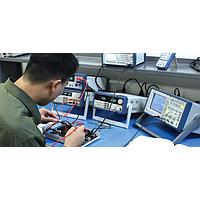
Calibration of electrical and electronic meters is relevant across manufacturing plants, utility maintenance teams, electronics assembly lines, laboratories, educational institutions, repair workshops, and technical service providers. In each case, the instrument may be different, but the need is similar: dependable readings that support correct decisions.
For maintenance teams, this may mean trustworthy current, insulation, or installation measurements in the field. For electronics and test labs, it may involve stable capacitance, resistance, or ultra-low signal readings during development and validation. For quality departments, regular calibration supports documented control of measurement assets and reduces the risk of inconsistent test outcomes between operators or sites.
Brand-specific calibration needs in mixed fleets
Many organizations operate mixed fleets from several manufacturers rather than a single brand standard. It is common to see FLUKE or HIOKI handheld instruments alongside KEYSIGHT or KEITHLEY bench equipment, with occasional specialty devices from Rohde & Schwarz, FLIR, or Chauvin Arnoux. In these environments, calibration planning should consider both the instrument function and the operational criticality of each device.
For example, a clamp meter used for quick diagnostics may follow a different service cycle from a picoammeter used in sensitive measurement tasks. Likewise, a safety tester used in regulated inspection work may need closer attention than a general-purpose meter used for non-critical checks. Reviewing the representative services listed in this category can help identify the right path for each instrument group without treating every device the same way.
What users typically look for in this category
Visitors to this category are often trying to answer a practical question: which calibration service matches the instrument they already own? Because of that, the category is organized around recognizable equipment families and manufacturer-specific service entries where relevant. This makes it easier to move from a broad need to a more targeted service page.
Users managing a wider program may also compare adjacent service groups to build a complete calibration schedule for the lab, workshop, or plant. That is especially useful when electrical measurement devices are only one part of a larger asset base that also includes power equipment, electronic analyzers, or visual inspection systems.
Supporting better measurement decisions over time
Choosing the right calibration path is ultimately about reducing uncertainty in day-to-day work. From handheld field instruments to specialized bench equipment, regular service helps keep electrical and electronic measurements credible, comparable, and easier to trust when results matter.
Use this category to identify suitable calibration services for your instrument type, application, and brand. If your environment includes multiple device classes, the related calibration categories can also help you build a more complete maintenance and quality strategy around the instruments your team relies on every day.
Get exclusive volume discounts, bulk pricing updates, and new product alerts delivered directly to your inbox.
By subscribing, you agree to our Terms of Service and Privacy Policy.
Direct access to our certified experts