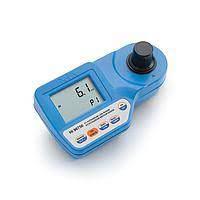
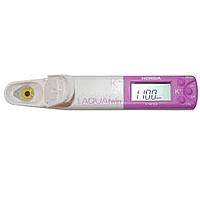
Kalium Meter Calibration Service
Accurate potassium measurement matters wherever water quality, nutrient balance, laboratory analysis, or process control depends on reliable ion concentration data. Even a small drift in a meter can affect trend interpretation, quality decisions, and compliance records, which is why Kalium Meter Calibration Service plays an important role in maintaining confidence in test results.
This service category is intended for users who need dependable calibration support for potassium meters used in technical and industrial environments. Whether the instrument is part of routine lab work or field verification, proper calibration helps confirm that readings remain consistent, traceable, and suitable for day-to-day decision-making.
Why potassium meter calibration is important
Potassium meters are used to evaluate ion concentration in applications where precision has direct operational value. Over time, electrode aging, environmental conditions, handling, storage practices, and normal instrument drift can reduce measurement reliability. Regular calibration helps identify these changes before they become a larger issue.
In practical terms, calibration supports measurement accuracy, repeatability, and confidence in recorded values. For B2B users, this is especially relevant when results are used for internal quality checks, customer reporting, process optimization, or comparison against reference methods.
What this service category typically supports
This category focuses on calibration services for potassium measurement instruments from recognized manufacturers such as HORIBA and HANNA. The goal is not only to verify that a device is functioning, but also to assess whether it performs within an acceptable range for its intended use.
Typical service needs may include periodic recalibration, verification after prolonged use, checks following transport or storage, or evaluation when measurement results appear inconsistent. For organizations managing multiple analytical instruments, calibration also helps standardize maintenance intervals and reduce uncertainty across the wider measurement workflow.
Examples of supported instruments
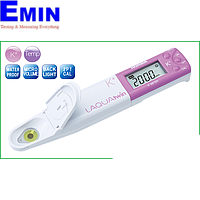
Within this category, representative service items include the HORIBA Kalium Meter Calibration Service and the HANNA Kalium Meter Calibration Service. These examples help illustrate the type of manufacturer-specific support available for commonly used potassium meters.
When selecting a service, the most important consideration is compatibility with the actual instrument in use and the calibration requirement behind it. In many cases, users are not only looking for a routine check, but for a service process that helps maintain dependable analytical performance over time.
How to choose the right calibration service
The right calibration approach depends on how the meter is used, how often it is deployed, and how critical the measurement result is to the process. A handheld unit used in routine spot checks may have different service expectations from a lab instrument involved in controlled analytical work. Usage frequency, sample type, and operating environment all influence calibration planning.
It is also useful to review the instrument brand, service history, and any recurring measurement issues before booking calibration. If your organization works with several environmental or analytical devices, it can be practical to align service intervals across categories such as dew point meter calibration or light meter calibration to simplify maintenance scheduling.
Common situations that indicate calibration is needed
Many users schedule calibration at defined intervals, but there are also operational signs that should not be ignored. If readings drift unexpectedly, response becomes unstable, results no longer match reference values, or the instrument has been stored for an extended period, calibration should be considered promptly.
Calibration is also advisable after heavy field use, after suspected sensor stress, or when an instrument has been moved between significantly different operating conditions. In controlled environments, this helps preserve data consistency across batches, sites, or reporting periods.
Calibration within a broader instrument maintenance strategy
Potassium measurement is rarely isolated from the rest of the testing ecosystem. In many facilities, it sits alongside other environmental and laboratory instruments that also require periodic verification. Building calibration into a broader asset management plan can reduce downtime, improve traceability, and make instrument performance easier to review over time.
For example, organizations that maintain multiple analytical tools may also review related service categories such as water activity meter calibration or alcohol meter calibration when planning annual or periodic service activity. This kind of coordinated approach is often more efficient than managing each instrument separately.
Who this category is suitable for
This service category is relevant for laboratories, industrial plants, water-related operations, inspection teams, educational institutions, and technical service departments that rely on potassium readings as part of routine measurement work. It is particularly useful where instruments are used repeatedly and where result quality affects operational decisions.
It can also support purchasing teams and maintenance coordinators who need a clearer way to organize instrument servicing by device type and manufacturer. Having a dedicated category for potassium meter calibration makes it easier to identify the right service path without sorting through unrelated calibration options.
Final considerations before booking service
Before arranging calibration, it is helpful to confirm the exact instrument model, current condition, recent usage history, and any symptoms observed during measurement. This ensures the service request is aligned with the real operating need and helps avoid unnecessary delays.
A well-planned calibration service supports more than instrument upkeep; it helps protect result quality across the wider process. If your work depends on stable potassium readings, choosing the appropriate service category is a practical step toward maintaining reliable instrument performance over the long term.
Get exclusive volume discounts, bulk pricing updates, and new product alerts delivered directly to your inbox.
By subscribing, you agree to our Terms of Service and Privacy Policy.
Direct access to our certified experts