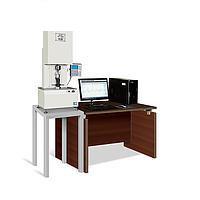
Metal Wire Torsion Testing Inspection Service
Reliable torsion testing depends not only on the tester itself, but also on the condition of its measurement and mechanical drive components over time. In production environments, laboratories, and quality control workflows, periodic inspection helps maintain confidence in twist-count accuracy, clamping stability, rotational consistency, and overall repeatability. This is especially important when wire performance is being evaluated for compliance, material comparison, or process verification.
Metal Wire Torsion Testing Inspection Service is intended for organizations that use torsion testers to assess the behavior of metal wire under controlled twisting conditions. By checking the operating condition of the equipment, users can reduce uncertainty in test results, identify wear-related issues earlier, and support more stable testing performance across routine inspection cycles.
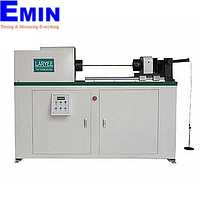
Why inspection matters for metal wire torsion testing equipment
A metal wire torsion tester is used to evaluate how a wire sample behaves when subjected to rotational stress. Because the result depends on controlled motion, proper gripping, and consistent counting or measurement of torsion cycles, even small mechanical deviations can affect the usefulness of the test. Regular inspection helps verify that the equipment is still operating within an acceptable condition for dependable testing work.
In practical terms, inspection can help uncover issues such as fixture wear, misalignment, irregular rotation, unstable operation, or other factors that may influence repeatability. For facilities that rely on torsion testing as part of incoming inspection, material development, or failure analysis, this kind of service supports better process control and more credible data.
What this inspection service is typically used for
This category is relevant for companies and laboratories using dedicated torsion testing systems for metal wire evaluation. The goal is not simply to keep equipment running, but to ensure the tester continues to support meaningful mechanical testing. In many cases, inspection is scheduled as part of preventive maintenance planning, quality system routines, or periodic equipment review.
It can also be valuable after relocation, extended use, irregular test behavior, or before critical testing programs. When a torsion tester is central to a material verification process, an inspection service provides a practical way to check core operating functions before those issues become larger testing risks.
Typical checkpoints during inspection
While the exact scope depends on the instrument and service procedure, inspection of a wire torsion tester generally focuses on the condition and function of the core test mechanism. This may include checks related to sample holding, rotational operation, visible mechanical wear, control response, and the general stability of the system during testing cycles.
For users, the most important outcome is often improved visibility into the tester’s mechanical condition and whether it remains suitable for routine use. This is particularly useful where consistency between test batches matters, or where comparison with historical results depends on stable equipment behavior.
- Assessment of gripping and clamping condition
- Review of rotational movement and operating smoothness
- Verification of general tester functionality
- Inspection of wear points that may influence repeatability
- Support for ongoing quality assurance of physical testing equipment
Suitable systems and representative equipment
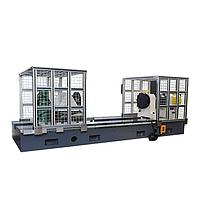
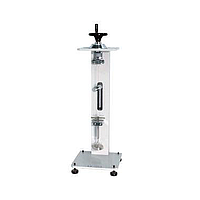
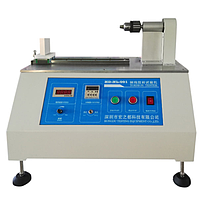
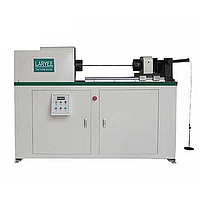
This service category is aligned with equipment such as the KMTSolar Metal Wire Torsion Tester Inspection Service and the YasudaMetal Wire Torsion Tester Inspection Service. These examples illustrate the type of test system covered in this category: equipment designed for controlled torsional evaluation of wire specimens in industrial or laboratory settings.
When choosing a service option, it is useful to consider the tester’s age, utilization rate, testing frequency, and the role it plays in your quality workflow. A heavily used system in a production-support environment may require closer attention than a unit used occasionally for reference testing.
How this service fits into a broader inspection workflow
Many organizations do not manage torsion testers in isolation. They often maintain a wider portfolio of physical testing and inspection equipment, each with its own service cycle. In that context, metal wire torsion tester inspection is one part of a more complete reliability strategy for mechanical and physical testing operations.
If your facility also uses related test systems, it may be helpful to review services such as abrasion tester inspection or furnace inspection service. This kind of broader planning can simplify maintenance scheduling and improve oversight across multiple testing assets.
What to consider when selecting an inspection service
Before arranging service, it helps to define the equipment model, current operating condition, and the type of testing issues you may already be seeing. For example, users may request inspection after noticing inconsistent results, unusual operation, fixture instability, or a change in test behavior from previous production runs.
It is also useful to confirm whether the objective is routine review, troubleshooting support, or preparation for a more formal maintenance plan. A clear service scope allows the inspection process to focus on the aspects of the tester that matter most to your application, especially where repeatability and test confidence are critical.
Supporting stable testing results over time
Wire torsion testing is often part of a larger material evaluation process, so equipment condition has a direct effect on the quality of the resulting data. Regular inspection supports a more controlled testing environment by helping users identify degradation before it significantly affects testing performance. That is particularly important for teams working with internal standards, customer specifications, or comparative material studies.
For buyers and technical users evaluating this category, the main value lies in maintaining the operational integrity of the tester and reducing avoidable uncertainty in daily use. A well-planned inspection service can therefore support both equipment reliability and the consistency of your mechanical testing workflow.
Conclusion
When metal wire torsion testing is part of your quality or R&D process, keeping the tester in sound operating condition is just as important as selecting the right test method. This category helps users find inspection support for torsion testing systems used to evaluate wire behavior under twist loading. Whether you operate a KMT or Yasuda system, periodic review of the equipment can help preserve test consistency, improve visibility into equipment condition, and support more reliable decision-making based on your test results.
Get exclusive volume discounts, bulk pricing updates, and new product alerts delivered directly to your inbox.
By subscribing, you agree to our Terms of Service and Privacy Policy.
Direct access to our certified experts