For full functionality of this site it is necessary to enable JavaScript.
EMIN.COM.MM
0

Explain the cause of the starter not sucking, what is the solution?

07/17/2025 13:51:50

When it comes to consumer devices, starters are one of the outstanding product lines with eye-catching designs and easy installation. However, during use, this device may encounter some problems that need to be fixed immediately to ensure smooth, stable operation and better efficiency. In particular, there will be a phenomenon of non-suction starters, which is also a common problem that many users often encounter. This article will help you understand the cause and provide specific solutions to handle this situation.

What is a starter?

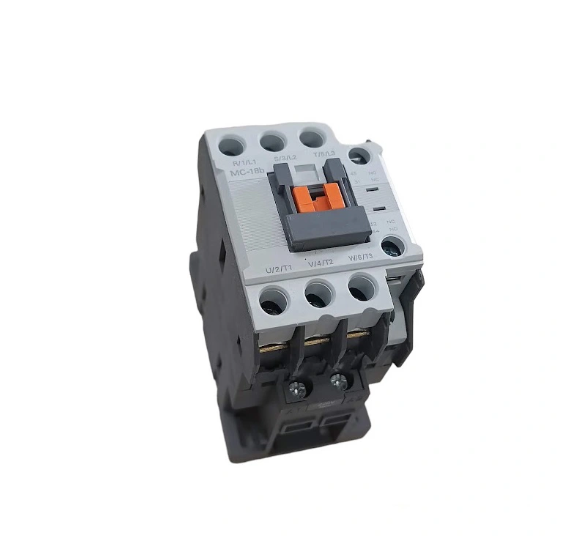
Surely you know that contactors are popular devices in many industries today thanks to their flexibility and ease of installation in electrical cabinets or panels. The ability to connect well with other devices and high stability make it a choice for users in the electrical system. With the function of remote switching and protection against electrical overload, contactors play an indispensable role in the electrical systems of factories or workshops. However, when there is a problem, repairing this device is not always simple. So what is the cause of the problem and how to fix it?
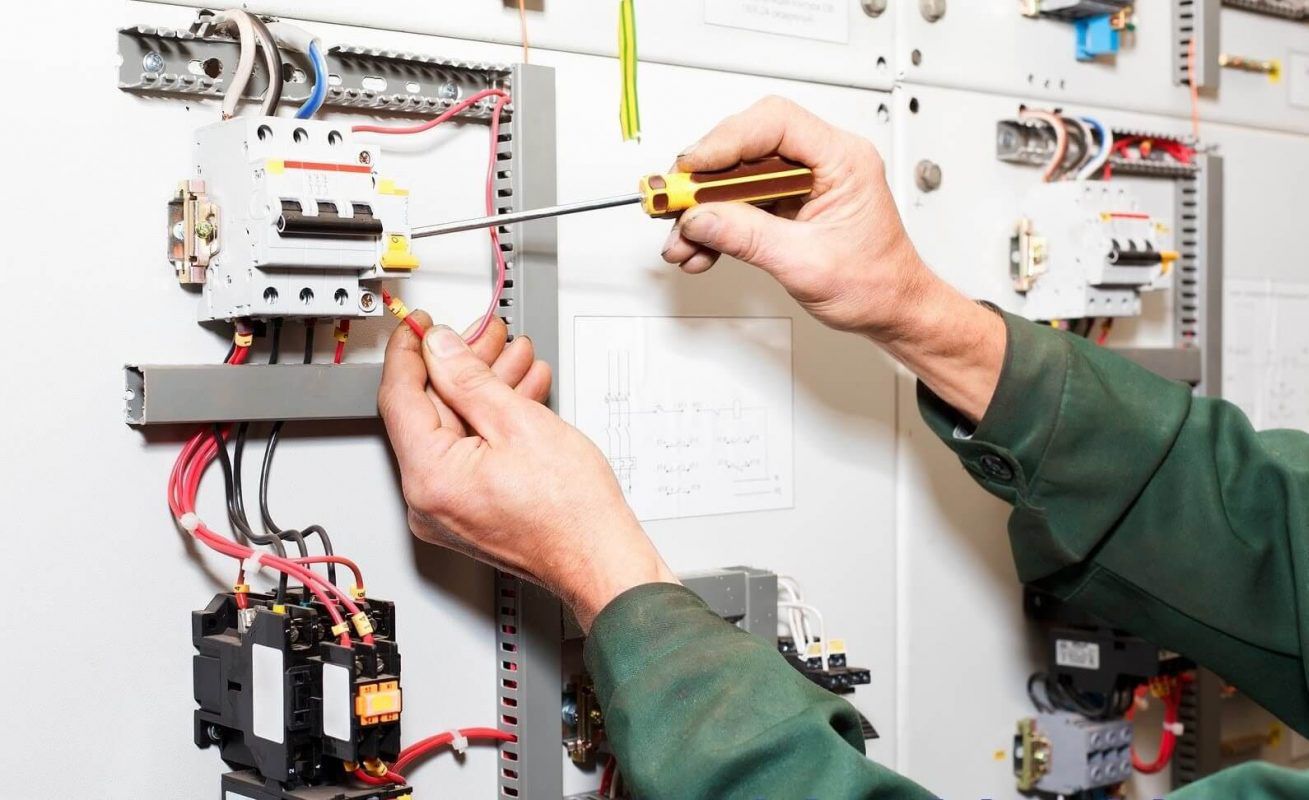
Starter power supply interrupted

The power supply plays a role in ensuring that the starter operates optimally, meeting the needs of the user. Therefore, manufacturers always pay attention to the quality of the power supply for this device. When the power supply has a problem, the starter can operate slowly, unstably and is difficult to control the opening and closing. At this time, the user needs to check if there are any obstacles on the power supply side, and at the same time ensure that the input current is correct with the required capacity of the device. 

Another reason for the power supply interruption may be that you do not regularly check and maintain the equipment, leading to unstable power supply, reducing the performance of the starter. To fix this, you should choose a more suitable installation location, periodically check the power supply at EMIN to ensure stable current, helping the starter operate faster and more effectively.

Specifically, the structure and operation of the Contactor, please see immediately at: Structure, operation and common features of the Contactor

Damaged control buttons during use

Improper use can cause the button to break, causing trouble during the operation of the device. To avoid this situation, you should be gentle when operating, do not press the control button too hard. In case the button is broken, you need to disconnect the power from the starter, then use protective equipment to check and adjust. If the damage is too serious, replacing the button will be the best solution.

Contacts are rusty due to long-term use.

The contacts may rust after a long period of use, affecting the performance of the device. To fix this problem, you need to carefully check the level of rust before replacing it. Use testing equipment to determine whether the contacts are still energized, then use supporting tools to disassemble and replace them with new contacts. Timely replacement will help the starter operate more stably and efficiently, ensuring smooth operation of the electrical system.

Stuck while using

When the device shows signs of being stuck, check to see if there is any strange sound when connecting, or if there is a problem with the wiring or other electrical devices in the system. After determining the cause, the connections should be adjusted accordingly.

What to note when using a starter
- First of all, avoid continuous use for a long time to avoid interruption to the device. 

- Installation should also be done in suitable locations, avoiding environments with too high or too hot temperatures, as this may affect performance. 

- Placing the device in an electrical cabinet is a good choice to ensure safe and effective connection.

Related News

Which Vacuum Pump Should You Choose for a Microbiology Lab to Avoid Affecting Samples?
07/15/2026 14:45:07

Vacuum pumps are utilized in a wide range of microbiology laboratory procedures, from membrane filtration and the aspiration of supernatants following centrifugation to sample concentration and the support of negative-pressure systems. Selecting the appropriate pump not only ensures more stable operational processes but also minimizes the risk of sample contamination, reduces maintenance costs, and extends the equipment's lifespan

QCVN 25:2025/BKHCN Takes Effect: Do Businesses Need to Prepare Electrical Safety Testing Equipment?
07/15/2026 09:15:04

Electrical safety is consistently one of the primary criteria evaluated before electrical or electronic equipment—or industrial components—are released to the market. A product may operate reliably yet still fail to meet requirements if its insulation lacks sufficient durability, its grounding resistance exceeds permissible limits, or leakage current occurs during operation.

Why Is Associated Research Considered an Icon of Hipot Technology?
07/14/2026 09:05:30

When it comes to electrical safety testing equipment specifically Hipot testers—many QA/QC and testing engineers are familiar with the globally renowned brand Associated Research. A subsidiary of the parent company IKONIX, Associated Research (ARI) invented the world's first commercial Hipot tester.

What Is the Standard 3-Phase Voltage? How to Read Cabinet-Mounted Meters Without Errors
07/13/2026 15:09:18

Voltmeters are almost invariably found on the panels of electrical cabinets in factories, power stations, or generator systems. A glance lasting just a few seconds allows an operator to determine whether the power supply is stable or showing signs of abnormality. However, not everyone understands the significance of the displayed readings, particularly regarding three-phase electrical systems.

Distinguishing between ARI’s Hypot, HypotUltra, and HypotMax: Which device is right for your factory?
07/13/2026 09:48:30

Few people realize that the concept of the "Hipot Test"—or electrical safety testing—has long existed within the electrical equipment manufacturing industry. Driven by the growing need to verify the voltage withstand capabilities of conductors, motors, and electrical devices, the industry required a robust and virtually fail-safe method to detect insulation weaknesses before products reached the market.

Stay Updated with Offers

Get exclusive volume discounts, bulk pricing updates, and new product alerts delivered directly to your inbox.

By subscribing, you agree to our Terms of Service and Privacy Policy.

Quick Support

Direct access to our certified experts