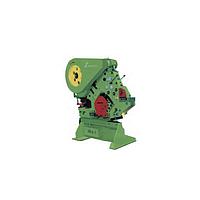
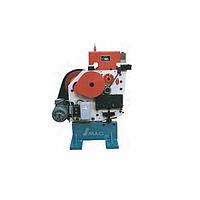
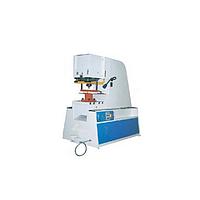
Hydraulic stamping machine
Metal fabrication work often depends on how quickly and accurately a shop can cut, punch, and shape material without creating unnecessary secondary operations. In that workflow, a hydraulic stamping machine category is relevant not only for stamping tasks in the narrow sense, but also for punching, shearing, and combined ironworking processes that support plate and profile preparation in industrial production.
This category brings together equipment used for force-driven metalworking applications where controlled pressure is essential. It is especially useful for buyers comparing hydraulic punch machines, hydraulic iron workers, and related cutting equipment for workshop, fabrication, maintenance, or production environments.
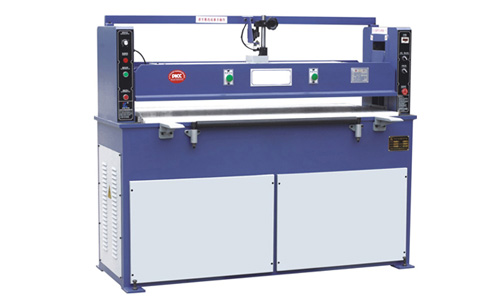
Where this equipment fits in metalworking operations
Hydraulic-powered stamping and punching equipment is commonly selected when the job requires repeatable force, cleaner processing of metal stock, and more stable performance across different thickness ranges. Compared with manual methods, these machines help reduce effort while improving consistency in hole creation, shearing, and section preparation.
In practice, buyers may be looking for more than one machine type under this category. Some applications focus on sheet cutting, others on hole punching, and others on multi-function iron worker systems that combine punching and shearing in one frame. That is why the category includes several equipment styles that support related fabrication tasks.
Main product types available in this category
A practical way to evaluate this range is to separate it into three common machine groups: hydraulic cutting machines, hydraulic punch machines, and iron workers. Each serves a different stage of fabrication, even though all of them rely on force-based forming or cutting principles.
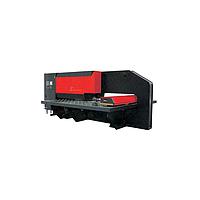
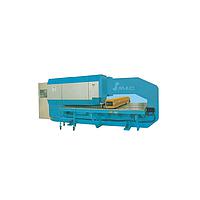
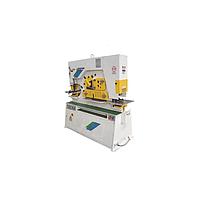
For sheet cutting applications, models such as the EMEADS CWC-200 Cutting Machine (200KN) and EMEADS CWC-150 are suitable examples of portable hydraulic cutting equipment used for controlled plate cutting. For dedicated punching work, SMAC offers machines such as the SMAC HY38-500 Hydraulic Punch Machine and the larger HY38-800 series. Where a workshop needs combined operations, machines like the SMAC PS75 Hydraulic Iron Worker or SMAC MPS16 Mechanic Iron Worker illustrate the role of integrated punching and shearing equipment.
Hydraulic cutting machines for plate preparation
Cutting machines in this category are typically chosen for preparing sheet material before assembly, welding, or downstream machining. The EMEADS range highlights this use case well, with models designed around defined cutting force and sheet size limits. In real purchasing decisions, these units are often evaluated by maximum sheet thickness, width capacity, and compatibility with the intended hydraulic power source.
The EMEADS CWC-150 and CWC-200 show how capacity can scale with the job. If the work mainly involves thinner sheet or lower throughput, a smaller unit may be enough. For heavier material or broader cutting requirements, a higher-force version can provide additional working margin without moving into a completely different machine class.
For buyers interested in the broader supplier lineup, the EMEADS brand page can help compare related equipment in a more focused way.
Hydraulic punch machines for repeatable hole processing
When the main requirement is producing holes in metal stock with dependable force and stroke control, hydraulic punch machines are often the better fit. These machines are commonly assessed by punching force, throat depth, stroke length, and motor power, since those factors influence the size of workpieces they can handle and the productivity they can deliver.
The SMAC HY38-500, HY38-800, and HY38-120 Hydraulic Punch Machine models represent different capacity levels for workshops with different production demands. A lower-capacity unit may suit lighter fabrication or maintenance work, while larger machines are more appropriate for thicker material, larger hole sizes, or applications where a deeper throat and greater stroke are important for part access and flexibility.
Because punching quality is tied to setup, die selection, material thickness, and machine force, buyers should look beyond the headline force rating alone. A well-matched machine is one that supports the actual hole dimensions, workpiece geometry, and daily workload expected in operation.
Iron workers for combined punching and shearing tasks
For many fabrication shops, an iron worker offers a more efficient solution than buying separate machines for every operation. These machines are designed to combine punching with shearing functions, making them useful where angle, flat bar, plate, or general steel stock must be processed in a compact workflow.
The SMAC range in this category includes both mechanic and hydraulic iron workers. Examples such as the SMAC MPS8A, MPS8B, MPS16, and MPS25 Mechanic Iron Worker models show the mechanical side of the range, while the SMAC PS75, PS110, and PS140 Hydraulic Iron Worker models reflect higher-force hydraulic configurations. The right choice usually depends on material thickness, required punching diameter, available floor space, and whether the operation values multi-function capability over a single dedicated process.
If you are comparing related product families from the same manufacturer, the SMAC product range is a useful next step for evaluating available machine styles.
How to choose the right machine for your application
Selection should start with the workpiece, not the machine name. Buyers typically define the material type, maximum thickness, required hole size or cut width, expected production volume, and whether the machine will be used for one operation or several. From there, force capacity, stroke characteristics, throat depth, and power requirements become easier to assess in a realistic way.
It is also important to think about the operating environment. Portable hydraulic cutting equipment may suit field work or flexible workshop layouts, while larger hydraulic punch or iron worker machines are better aligned with fixed production lines or fabrication cells. Machine weight, installation space, and supporting utilities all matter when planning deployment.
- Choose a cutting machine when the priority is sheet separation and plate preparation.
- Choose a punch machine when repeatable hole making is the main task.
- Choose an iron worker when a single machine must cover punching and shearing in one station.
Related equipment considerations in industrial facilities
Although stamping, punching, and shearing performance are central, supporting infrastructure can also affect uptime and operating stability. In larger production environments, buyers may review adjacent systems such as industrial water cooler and chiller equipment when thermal management is part of the broader machinery setup.
Similarly, facilities with pneumatic tools or hybrid machine systems may also consider compressed air treatment equipment as part of overall workshop reliability. These are not substitutes for hydraulic stamping machines, but they can be relevant in a complete plant planning context.
What buyers usually compare before ordering
Before making a final selection, most B2B buyers compare machine capacity against actual production needs rather than choosing the largest available model by default. Over-specifying can increase cost, footprint, and power demand, while under-specifying may reduce productivity or limit the materials that can be processed reliably.
Typical comparison points include force rating, thickness range, punching size, throat depth, stroke performance, machine dimensions, and integration with the intended workflow. Reviewing representative models such as the EMEADS CWC series, SMAC HY38 series, and SMAC PS or MPS series can help clarify whether the requirement is best served by a cutting machine, a dedicated punch machine, or a multi-function iron worker.
For buyers sourcing equipment for fabrication, maintenance, or general industrial processing, this category is best approached as a solution set rather than a single machine type. A clear understanding of the job, material, and production method will lead to a more practical and cost-effective hydraulic stamping machine selection.
Get exclusive volume discounts, bulk pricing updates, and new product alerts delivered directly to your inbox.
By subscribing, you agree to our Terms of Service and Privacy Policy.
Direct access to our certified experts