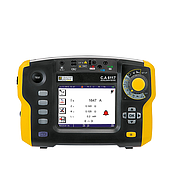
What is the effect of power enhancement on the life and performance of electric lamps?
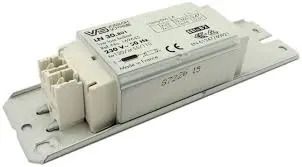
In fact, ballasts, also known as electronic ballasts, are devices that are present in most lighting systems, from civil to industrial. It is not simply an auxiliary component but plays a role in controlling the current passing through the bulb, ensuring that the current does not exceed the required level. Thanks to the ballast, the voltage is regulated stably, helping the light to glow properly, avoiding overload or damage. This is the reason why when choosing or checking a lighting system, understanding what a ballast is and how it operates is always necessary to ensure the device operates efficiently and safely.
Reasons why ballast needs to be checked
Checking the ballast is necessary if you want the lighting system to operate at the correct capacity and ensure electrical safety during use.
On the market today, ballasts are divided into two main types: magnetic ballasts and electronic ballasts. Magnetic ballasts use old technology, operating on the principle of electromagnetic induction, while electronic ballasts are designed to be more compact, suitable for the needs of saving energy and reducing heat generation.
Lamps such as LED, compact, Metal Halide or Sodium lamps all operate stably when supported by a ballast. If the ballast no longer functions properly, the current can easily exceed the limit, causing overload, reducing the life of the device, and more seriously, it can lead to fire or explosion.
Instructions for testing ballasts with a multimeter
Ballasts can be damaged for many reasons, the most common of which is a burnout or a short circuit inside the device. When an incident occurs, you may notice a clear burning smell, and if not checked promptly, electrical appliances in the home can easily be affected. To identify whether the ballast is still working or not, using a VOM meter is one of the most effective and easy-to-do methods today.
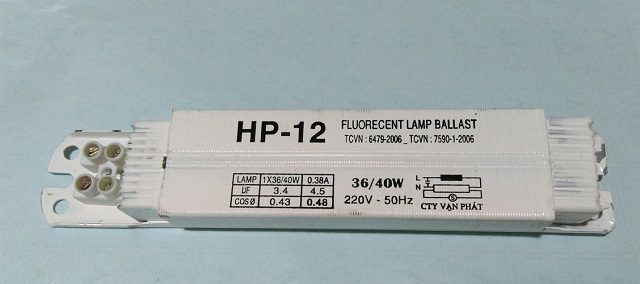
Testing the ballast with a multimeter consists of three main steps. First, you turn the meter knob to the voltage scale that matches the ballast parameters. Next, connect the jacks to the correct position: the COM pin is connected to the black wire, the other end is connected to the red wire. When measuring, the red end is placed on the positive pole of the ballast, the black end is placed on the negative pole. Finally, observe the display screen: if a value appears, the ballast is still working normally, otherwise if there is no signal, it is likely that the device is broken and needs to be checked or replaced. When the ballast is in good condition, the light will be stable and will not flicker or suddenly turn off.
Can use some types of multimeter to check the ballast
Hioki DT4256 Multimeter
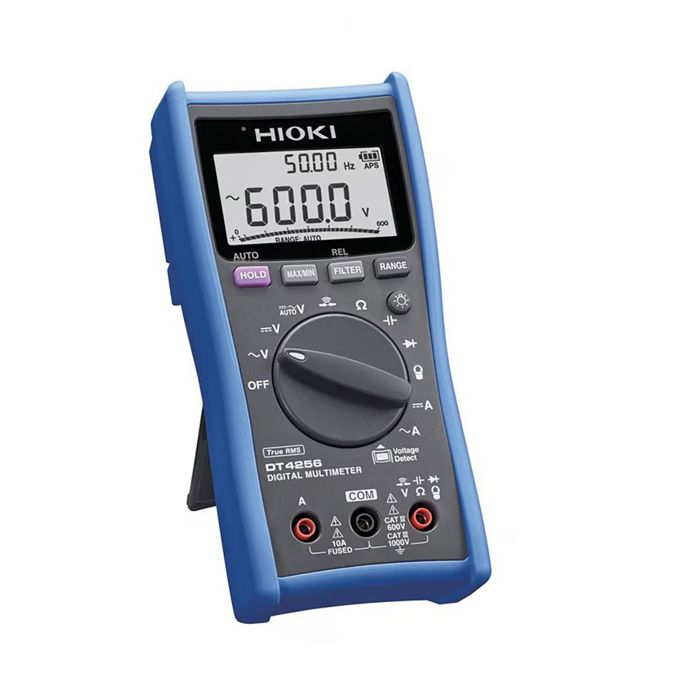
Hioki DT4256 is one of the high-end, specialized multimeters with high durability and great practical applications. The device supports fast, simple operations but still ensures the necessary accuracy in important measurements. With the ability to measure AC/DC voltage up to 1000V, measure resistance, capacitance, frequency, check continuity..., Hioki DT4256 is integrated with True RMS technology to help the measurement results always be accurate even in unstable current conditions. This is a product line chosen by many electrical engineers and repairmen because of its efficiency and reliability when used in actual work.
Kyoritsu 1109S Multimeter
Kyoritsu 1109S is a highly rated device thanks to its affordable price and stable measurement capabilities. Not only does it flexibly measure basic parameters, it also supports AC/DC voltage measurement up to 1000V, resistance measurement in many different ranges such as 2/20kΩ and 2/20MΩ, current measurement in a small range of 250mA, and hFE coefficient measurement.
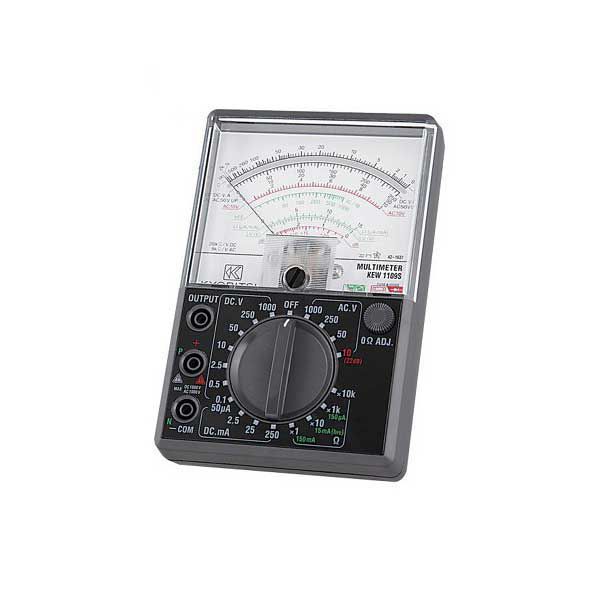
Kyoritsu 1109S has a durable design, good impact resistance, and can be used normally even if dropped from a height of about 1 meter onto a concrete floor. This is the right choice for those who need a simple, effective and durable measuring device in harsh working environments.
Conclude:
Ballasts play an indispensable role in maintaining the stability of the lighting system and optimizing power consumption. Choosing the right type of ballast for each type of lamp not only helps the device operate more durably but also contributes to saving operating costs. In addition, do not forget to check the ballast periodically to promptly detect damage and handle it early, avoiding affecting other electrical equipment in the home or workplace.