
Metal Test Specimens
Reliable petroleum and lubricant testing often depends on small but essential components that support standardized laboratory procedures. In many ASTM-based methods, metal test specimens are used as controlled surfaces or reference elements to evaluate how oils, fuels, additives, waxes, or related materials behave under specific test conditions.
For laboratories working in quality control, product development, or compliance testing, choosing the right specimen format matters just as much as selecting the main instrument. Surface condition, material consistency, and compatibility with the applicable method all influence whether results are repeatable and meaningful.
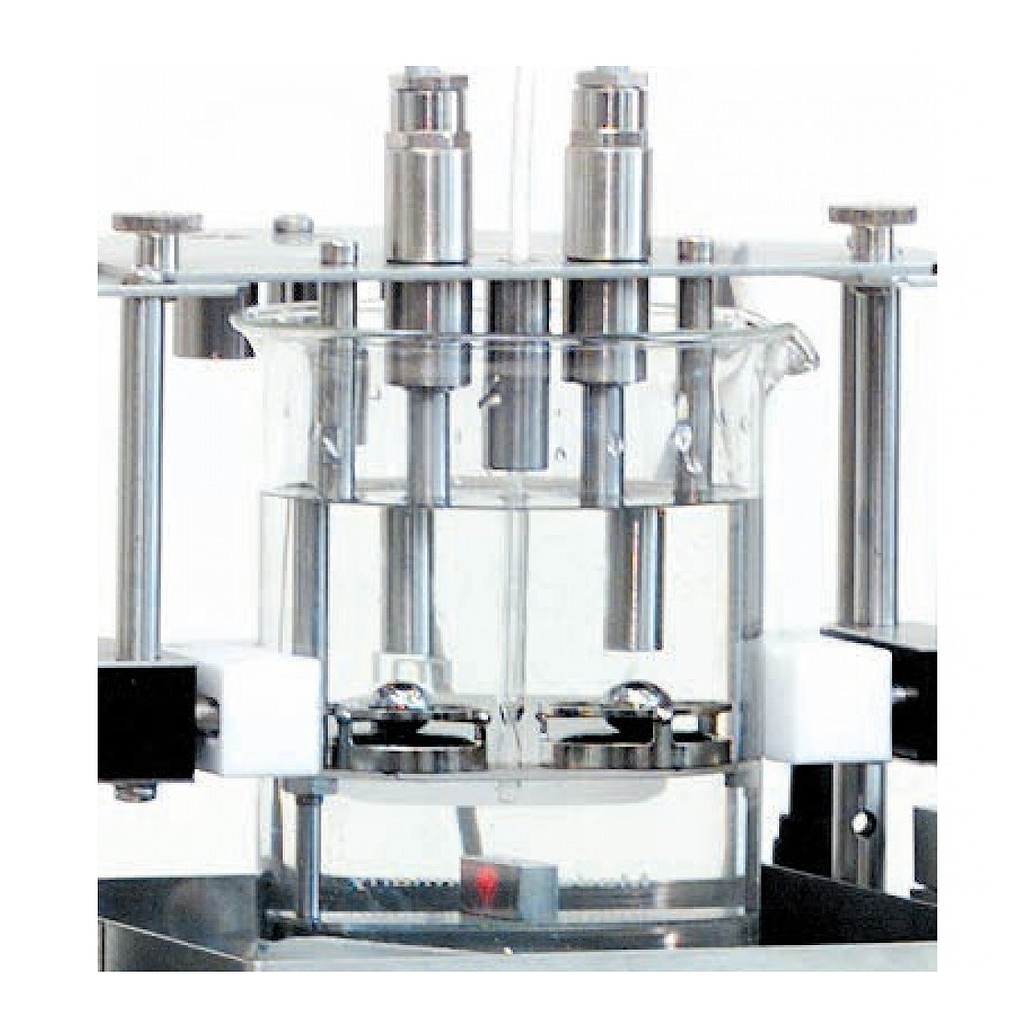
The role of metal test specimens in petroleum and lubricant laboratories
Within oil and fuel analysis, these items are typically used to create a standardized testing interface between the sample and a defined metal surface. This helps laboratories assess effects such as corrosion tendency, deposit formation, oxidation-related impact, or other interactions that are relevant to product performance and handling.
Because laboratory methods are designed around controlled conditions, the specimen itself becomes part of the test system. A well-matched specimen supports method consistency, better comparison between batches, and clearer interpretation of results across routine testing programs.
Where these specimens are commonly used
Metal specimens are relevant in laboratories that handle petroleum products, lubricating oils, specialty fluids, and associated materials. They are commonly involved in workflows where technicians need to observe how a substance reacts with a metal surface over time, under heat, or during a defined preparation and evaluation sequence.
In practical terms, they may appear alongside broader fuels testing equipment and other petroleum lab setups where standardized sample preparation and result comparison are important. Their value is not in complexity, but in helping maintain a repeatable reference point inside the test method.
Why specimen quality affects test reliability
Even when the main instrument performs correctly, inconsistent specimen quality can reduce confidence in the result. Differences in dimensions, finish, contamination level, or handling condition may introduce unwanted variation, especially in methods that rely on visual inspection or measured surface effects after exposure.
For that reason, laboratories usually pay close attention to surface uniformity, cleanliness, storage conditions, and traceability to the intended standard method. When specimens are used as part of a regulated or internal quality protocol, controlled handling is often just as important as the analytical step itself.
Selection considerations for the right test workflow
Choosing suitable metal test specimens starts with the test method being performed. The specimen should align with the procedure’s required material type, geometry, preparation condition, and evaluation criteria. This is especially important in labs where multiple petroleum and lubricant methods are run in parallel.
It is also useful to consider the surrounding test ecosystem. For example, some procedures may be linked with temperature-dependent preparation, drying, or supporting glassware. In those cases, related tools such as glass apparatus for ASTM test methods or dedicated oil dryer equipment can affect the overall reliability of the workflow.
Handling and storage good practices
Because these components are used in controlled laboratory conditions, improper storage can compromise their usefulness before testing even begins. Exposure to moisture, dust, oils from handling, or accidental surface damage may change how the specimen behaves in the test.
Good practice generally includes storing specimens in clean, protected packaging, minimizing direct contact with active surfaces, and preparing them only in accordance with the intended standard. In laboratories where humidity control matters, related air drying equipment may also support more stable preparation conditions.
How metal test specimens fit into ASTM-oriented laboratory systems
Many petroleum laboratories are built around recognized test methods, and accessories such as specimens, glassware, drying tools, and dedicated testers all play supporting roles within that framework. Rather than viewing metal specimens as standalone items, it is more accurate to see them as part of a method-driven testing process.
This is particularly relevant for labs that run comparative evaluations between products, monitor incoming material quality, or document long-term changes in formulation behavior. Standardized accessories help reduce avoidable variation and make the final result more useful for technical decision-making.
Support for routine QC and specialist applications
Some laboratories use metal test specimens in high-frequency routine quality control, while others need them for specialized evaluations tied to research, troubleshooting, or product certification work. In both cases, consistency is the main priority: the specimen should support repeatable observations without adding uncertainty to the method.
Where the testing scope extends into adjacent materials, such as bitumen- or wax-related procedures, the broader laboratory setup may require complementary equipment and dedicated method accessories. The exact selection should always be matched to the applicable standard and the material under examination.
Choosing with confidence
When reviewing this category, it helps to focus on how the specimen will be used inside your actual laboratory procedure rather than treating it as a generic consumable. The right choice supports clean execution of the method, dependable comparisons between tests, and smoother integration with the rest of your petroleum analysis workflow.
For laboratories involved in oil, fuel, and lubricant testing, well-selected metal test specimens contribute to more reliable results and better day-to-day consistency. If your work also depends on supporting apparatus, drying equipment, or ASTM-specific accessories, selecting those elements together can help create a more robust testing environment.
Get exclusive volume discounts, bulk pricing updates, and new product alerts delivered directly to your inbox.
By subscribing, you agree to our Terms of Service and Privacy Policy.
Direct access to our certified experts