
Glass Apparatus for ASTM Test Methods
Reliable petroleum and lubricant testing often depends on something very simple: using the correct glassware for the method. In many ASTM procedures, the shape, dimensions, and functional design of the apparatus directly influence heating behavior, condensation, sample handling, and visual observation during the test.
Glass Apparatus for ASTM Test Methods plays an important role in laboratory workflows where repeatability and method compliance matter. For labs working with oils, fuels, and related products, selecting suitable laboratory glassware helps support consistent operation, easier setup, and better alignment with established ASTM procedures.
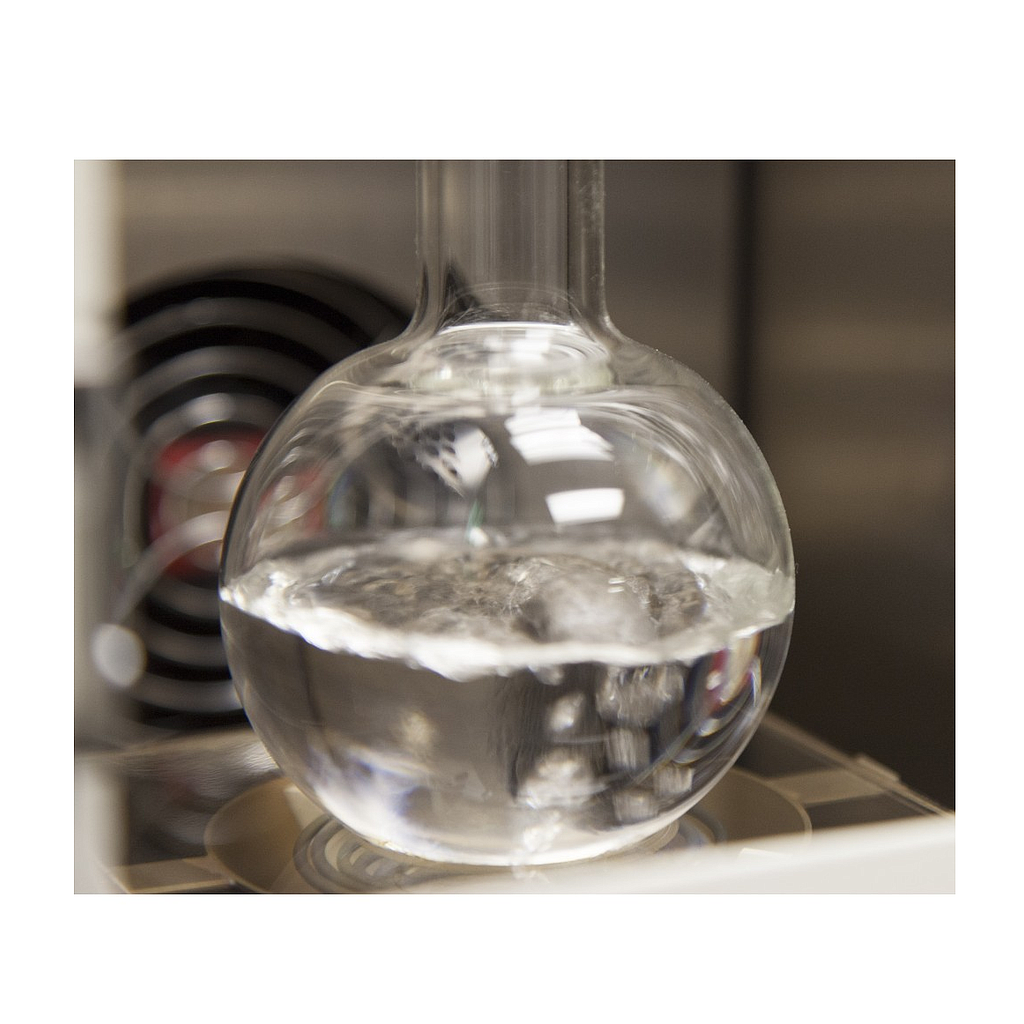
The role of glass apparatus in ASTM-based oil and fuel testing
In petroleum laboratories, glass apparatus is more than a generic container or accessory. Many ASTM methods are designed around specific glass components that support controlled sample exposure, temperature transfer, vapor movement, separation, or visual endpoint detection. When the apparatus matches the intended method, the test setup is easier to reproduce from one run to the next.
This is especially relevant in applications involving lubricating oils, petroleum products, and related fluids. Whether a lab is preparing samples, heating them under controlled conditions, or observing physical changes during a procedure, method-specific glassware helps maintain the practical conditions expected by the test standard.
Typical applications in petroleum and lubricant laboratories
Glass apparatus used for ASTM test methods can appear across a wide range of workflows, from routine quality control to research and product verification. In many cases, these items are part of a larger setup that may also include heaters, baths, holders, condensers, drying systems, or temperature measurement instruments.
Laboratories handling gasoline, diesel, base oils, lubricants, or specialty fluids often work across several related procedures. For broader workflow planning, users may also review adjacent categories such as fuels testing equipment or dedicated flash tester systems when building out a complete ASTM testing environment.
Why method-specific glassware matters
A key reason to choose the correct apparatus is that ASTM procedures are often sensitive to geometry and handling conditions. Tube length, vessel form, joint compatibility, and observation area can all affect how a sample behaves during heating, cooling, evaporation, mixing, or separation. Even when the glass item looks simple, its design may be tied closely to the intended test sequence.
Using appropriate apparatus also supports cleaner laboratory organization. It becomes easier to match accessories, document setups, train operators, and reduce avoidable variation between test runs. For B2B buyers, this is particularly important when standardizing equipment across multiple benches or multiple sites.
How to choose glass apparatus for ASTM test methods
Selection should begin with the actual ASTM procedure your lab performs. Instead of choosing by appearance alone, buyers should confirm that the apparatus fits the application, the required setup, and the surrounding instruments already in use. This helps avoid compatibility issues with mounts, heating positions, condensers, or support assemblies.
It is also useful to consider the wider test process. Some methods require sample conditioning or moisture control before the main measurement step, so related equipment such as oil drying equipment or air drying equipment may be relevant depending on the laboratory workflow.
- Check the ASTM method and required apparatus type before ordering.
- Review compatibility with holders, heating devices, and supporting accessories.
- Consider whether the glass item is used for preparation, observation, separation, or measurement support.
- Plan for replacement and standardization if the same test is performed regularly.
Integration with broader test setups
In practice, glass apparatus is rarely used in isolation. It usually forms part of a complete measurement arrangement that may include heat sources, timing, sample conditioning, and operator observation. This is why category-level selection is important: laboratories often need not just one item, but a set of compatible components that support the full test method.
For labs working across several ASTM procedures, a structured approach to procurement can help reduce downtime and simplify maintenance. Reviewing the full range of glass apparatus for ASTM methods alongside related test categories can make it easier to align equipment choices with actual operating needs.
Common purchasing considerations for B2B buyers
Engineering teams, QC laboratories, universities, inspection organizations, and industrial plants often evaluate this type of equipment with a practical mindset. The priority is usually not only obtaining the correct glass item, but ensuring that it fits the laboratory process, supports repeat use, and can be sourced consistently over time.
Typical evaluation points include method suitability, compatibility with existing lab hardware, replacement planning, and the expected testing frequency. For organizations that run standardized petroleum analysis at scale, having the right apparatus in the right configuration helps support smoother day-to-day operation.
Choosing the right category for your lab workflow
This category is most relevant when you already know the ASTM-based procedure and need the corresponding glass apparatus to support that method. It is also useful for laboratories upgrading older setups, replacing worn items, or organizing test stations around specific petroleum and lubricant analyses.
If your work spans multiple procedures, it can be helpful to view glassware as part of a broader testing ecosystem rather than a standalone purchase. The right combination of apparatus, preparation tools, and measurement equipment makes the laboratory easier to operate and more consistent in everyday use.
For petroleum and lubricating oil laboratories, the right glass apparatus helps bridge the gap between written ASTM procedures and practical bench execution. A careful selection approach will make it easier to support repeatable testing, method-aligned setups, and a more efficient lab environment overall.
Get exclusive volume discounts, bulk pricing updates, and new product alerts delivered directly to your inbox.
By subscribing, you agree to our Terms of Service and Privacy Policy.
Direct access to our certified experts