Mineral Oil Processing Equipment
Reliable handling and conditioning of insulating and mineral oils is a critical part of transformer manufacturing, repair, and laboratory preparation workflows. When oil contains moisture, dissolved gases, oxidation by-products, or contamination introduced during transfer, it can affect both equipment performance and test reliability. This is why Mineral Oil Processing Equipment is typically selected not as a single machine, but as a practical combination of vacuum, drying, filling, transport, and oil-conditioning systems matched to the job at hand.
In this category, the focus is on equipment used to evacuate transformer tanks, reduce moisture exposure, support oil filling operations, and prepare mineral oils for demanding industrial environments. The range also includes selected laboratory-oriented equipment for oil condition evaluation, helping maintenance teams and manufacturers connect processing steps with measurable oil quality outcomes.
Where this equipment fits in oil handling and transformer work
Mineral oil processing is closely tied to the condition of insulation systems, especially in transformers and similar high-voltage assets. In practice, the process may involve vacuumizing a transformer tank before oil filling, removing moisture from solid insulation, condensing water vapor during drying, and transferring oil in a controlled manner to reduce the risk of recontamination.
For these tasks, users often look to specialized systems from manufacturers such as GlobeCore, whose equipment in this category covers several stages of the workflow. Instead of treating evacuation, cold trapping, and filling as separate isolated tasks, many facilities evaluate them as part of one integrated maintenance or production sequence.
Main equipment groups in this category
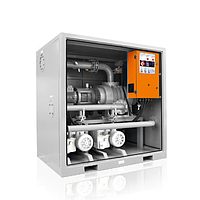
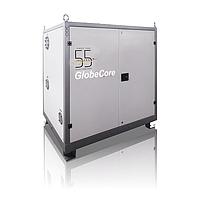
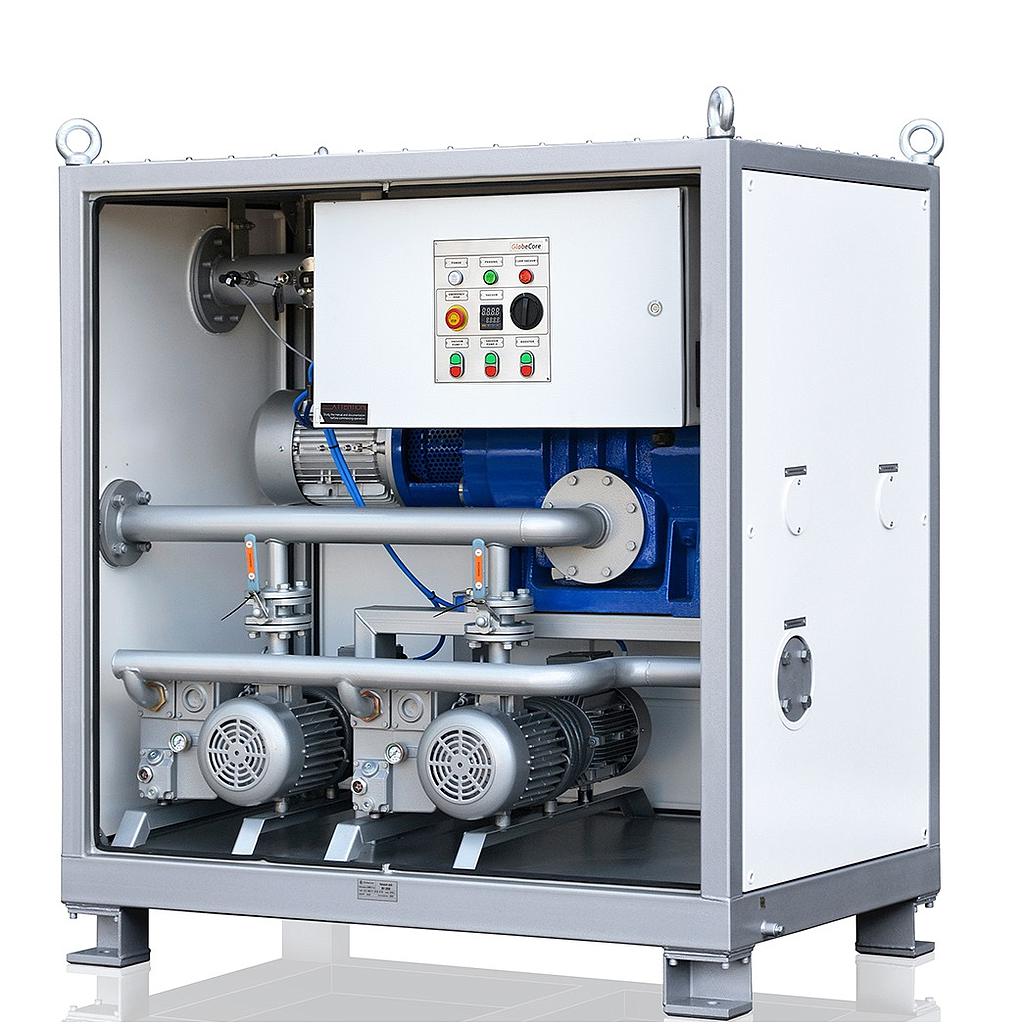
A large part of the category consists of transformer vacuumizing units. These systems are used to evacuate air and moisture from transformer tanks and related assemblies before or during oil filling procedures. Models such as the GlobeCore BV-200, BV-280, BV-500, BV-1000, BV-2000, and BV-5000 illustrate how capacity can vary significantly depending on transformer size, production throughput, and required vacuum performance.
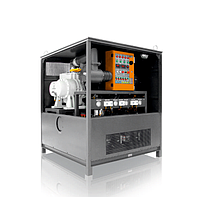
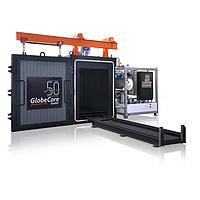
Another important group is vacuum cold trap units, represented here by the GlobeCore UVV and UH-70. In drying and vacuum processes, cold traps help condense water vapor before it reaches the vacuum system, improving process stability and supporting deeper moisture reduction. For more comprehensive drying operations, a system such as the GlobeCore US-6S transformer vacuum furnace combines heating, vacuum, circulation, and condensation functions in one setup.
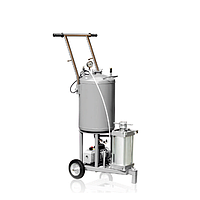
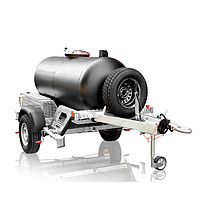
The category also includes equipment for oil movement and controlled filling. The GlobeCore UDM-1 oil transportation and filling unit is relevant where oil must be moved and supplied efficiently, while the GlobeCore UVD vacuum oil filling unit supports filling under reduced-pressure conditions. Together, these machines address a common industrial need: handling oil cleanly while limiting exposure to ambient moisture and air.
Processing equipment and oil quality verification
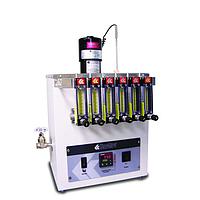
Processing equipment is most valuable when its results can be checked against actual oil condition. That is where laboratory instruments become relevant, especially in applications involving insulating oils. The Koehler K64190 oxidation stability bath is a good example of equipment used to evaluate how mineral insulating oils behave under accelerated aging conditions, helping users understand sludge and acid formation tendencies.
For buyers comparing process equipment with downstream quality control needs, it can be useful to review adjacent areas such as fuels testing and glass apparatus for ASTM test methods. These related categories help complete the broader picture when a site or laboratory needs both oil treatment capability and standardized test support.
How to choose the right mineral oil processing setup
The first selection factor is usually process objective. If the main requirement is transformer evacuation, pumping speed and achievable vacuum level are key. If moisture removal from insulation is the priority, then the focus shifts toward systems that combine heating, vacuum, vapor condensation, and circulation in a controlled sequence.
The second factor is scale. Smaller service operations may only need compact vacuumizing or filling equipment, while transformer production facilities often require higher-capacity systems for repeatable throughput. For example, the difference between a compact BV-200 unit and a high-capacity BV-5000 evacuation unit is not just size, but suitability for different operating volumes and project timelines.
It is also important to consider the supporting process around the main machine. A vacuum system may perform better when paired with an effective cold trap. Oil transfer operations may require dedicated filling or transportation equipment to avoid introducing contaminants after drying or evacuation. In many cases, selecting equipment as a workflow solution leads to better long-term results than choosing individual units in isolation.
Typical applications across industrial environments
This category is relevant in transformer manufacturing plants, repair workshops, power equipment service organizations, and industrial maintenance operations that work with insulating oils. In these environments, oil handling is not only a logistics task; it directly affects dielectric performance, moisture content, and the condition of the insulation system.
Some applications focus on preparing tanks and insulation before first fill, while others center on refurbishment or service work in existing assets. There are also laboratory and quality-control situations where processed oil must be checked for oxidation behavior or other condition indicators. Where thermal preparation is part of the process chain, related categories such as oil dryer equipment may also be relevant.
Why equipment matching matters
Choosing mineral oil processing equipment by headline capacity alone can lead to mismatched performance in real operating conditions. Vacuum level, condensation support, heating capability, oil transfer method, and the physical size of the asset being serviced all influence whether a system will work efficiently in practice. This is especially important in transformer applications, where moisture control and clean filling procedures have a direct impact on insulation reliability.
It also helps to compare equipment by role rather than by model name alone. A vacuumizing unit, a cold trap, a furnace, and an oil filling unit each contribute differently to the overall process. Looking at the category in this structured way makes it easier to build a setup that supports both operational efficiency and oil quality management.
Featured manufacturers and representative products
Koehler appears here with a specialized instrument for oxidation stability testing of mineral insulating oils, which is useful for laboratories and quality-control applications. GlobeCore, meanwhile, is represented across several practical process stages, including the BV series for vacuumizing, the UVV and UH-70 for vapor condensation support, the US-6S for vacuum furnace drying, and the UDM-1 and UVD for oil transfer and filling tasks.
This combination reflects the broad nature of the category: some users are searching for a single-purpose machine, while others need equipment that fits into a larger transformer oil preparation or maintenance system. Reviewing the category by application, not just by product title, is usually the most effective way to narrow down the right option.
Whether the requirement is transformer evacuation, moisture reduction, controlled oil filling, or laboratory verification of insulating oil behavior, this category brings together equipment that supports cleaner and more controlled mineral oil handling. A careful review of process goals, operating scale, and required support functions will make it easier to identify the most suitable solution for your maintenance, production, or testing environment.
Get exclusive volume discounts, bulk pricing updates, and new product alerts delivered directly to your inbox.
By subscribing, you agree to our Terms of Service and Privacy Policy.
Direct access to our certified experts