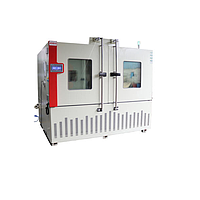
Mechanical and physical testing equipment
Reliable product qualification depends on more than a single measurement. In many laboratories and production environments, teams need to verify how materials behave under temperature, force, friction, pressure, humidity, and surface contact before a component moves into use. This is where mechanical and physical testing equipment becomes essential across R&D, quality control, failure analysis, and process validation.
This category brings together instruments used to evaluate physical behavior and material response under controlled conditions. The range covers everything from surface temperature probes and high-temperature chambers to tribology systems and torque rheometers, helping engineers build a clearer picture of durability, thermal stability, wear behavior, and processability.
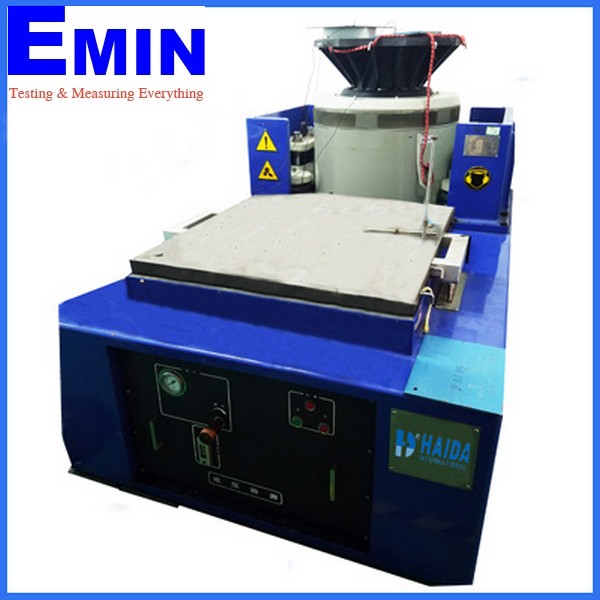
Where this equipment is used
Mechanical and physical testing is relevant wherever a material or product must perform consistently in real operating conditions. Typical use cases include evaluating coatings, polymers, metals, ceramics, powders, packaging materials, industrial components, and assembled parts. The goal is not only to identify whether a sample passes or fails, but also to understand how it reacts as temperature, load, motion, or environmental conditions change.
In practice, these systems support incoming inspection, formulation development, comparative material studies, and long-term reliability work. Some applications focus on wear and friction, while others examine thermal behavior, dimensional stability, or handling under vacuum and controlled atmospheres.
Key equipment types in this category
The category includes a broad mix of instruments because “physical testing” covers multiple test principles. For example, a robust contact sensor such as the TESTO 0628 9992 surface probe is suitable when accurate surface temperature verification is needed on machinery, heated plates, or process surfaces. It plays a supporting but important role in validating thermal conditions during tests and routine checks.
At the other end of the range are specialized chambers for in-situ material studies. Systems such as the Anton Paar TTK 600, HTK 1200N, HTK 1500, HTK 16N, and HTK 2000N are designed for controlled thermal testing over wide temperature ranges, including low-temperature and high-temperature operation. These setups are relevant when material structure or behavior must be observed under vacuum, inert gas, air, or other managed atmospheres.
For tribology and motion-related testing, instruments like the Anton Paar THT high temperature tribometer and TRB³ pin-on-disk tribometer help evaluate friction and wear performance. In polymer and compound development, modular torque rheometers such as the MetaStation 8 and MetaStation 16 are used to monitor process behavior under defined mixing and temperature conditions.
Why temperature control matters in physical testing
Temperature is one of the most influential variables in material behavior. A sample that appears stable at room temperature may soften, oxidize, deform, crack, or change friction characteristics at elevated or reduced temperatures. Because of that, many test setups in this category focus on controlled heating, cooling, and atmosphere management rather than simple ambient-condition checks.
For example, the Anton Paar CHC plus⁺ cryo and humidity chamber extends testing into combined temperature and humidity conditions, which is useful when moisture sensitivity is part of the evaluation. Reactor-style systems such as the XRK 900 add another layer by allowing studies in vacuum or gas environments, supporting more advanced investigations of thermal reactions and material changes.
Teams that also need broader environmental simulation can explore related solutions from ESPEC for chamber-based test environments, especially where temperature and humidity conditioning are part of a larger qualification workflow.
Tribology, surface interaction, and wear analysis
Mechanical performance is not only about strength. In many applications, the critical question is how two surfaces behave when they slide, rotate, or cycle against each other. Tribological testing helps quantify coefficients related to frictional behavior, wear progression, and the influence of load, speed, temperature, or lubrication conditions.
The Anton Paar THT is suited to elevated-temperature tribology work, while the TRB³ platform supports pin-on-disk style analysis with different motion modes and optional environmental controls. These systems are especially useful in evaluating coatings, treatment layers, lubricated contacts, and material pairings used in moving assemblies.
Where the focus is narrower on friction performance at category level, readers may also compare requirements with dedicated friction coefficient testing solutions available elsewhere in the mechanical testing portfolio.
Understanding torque rheometers in material development
In polymer processing and formulation work, a torque rheometer provides a practical way to observe how a material responds during mixing, kneading, or thermal processing. Instead of looking only at a final sample property, the system reveals process behavior as torque, speed, and temperature interact over time. This is valuable when comparing raw materials, additives, batch consistency, or process windows.
The Anton Paar MetaStation 8 and MetaStation 16 represent this part of the category well. Their modular approach is relevant for laboratories and pilot environments that need flexibility across compound development, process simulation, and recipe optimization. For organizations working deeply with material behavior, this complements broader offerings from Anton Paar in thermal and physical analysis.
How to choose the right mechanical and physical testing equipment
Selection should start with the test objective rather than the instrument name. The first question is what property must be verified: surface temperature, thermal stability, wear resistance, processability, atmosphere-dependent behavior, or another physical response. From there, it becomes easier to define the right test principle, sample format, and operating range.
Several practical factors should be reviewed before purchase:
- Required temperature range and whether cooling, heating, or both are needed
- Operating atmosphere such as air, inert gas, humidity-controlled conditions, or vacuum
- Type of sample: powder, bulk specimen, coated surface, thin sample, or finished part
- Motion and load requirements for friction or wear testing
- Need for data integration, repeatability, and laboratory workflow compatibility
It is also important to consider whether the system will be used for routine QC or for research-oriented testing. A production lab may prioritize repeatable standard methods and ease of operation, while an R&D team may need a wider operating window and more configurable test conditions.
Manufacturer landscape and solution breadth
This category features manufacturers known for different strengths across physical testing workflows. Anton Paar is prominent in advanced thermal chambers, tribology, and rheological process analysis. TESTO is a logical fit where dependable temperature measurement accessories support validation and routine checks. Other listed brands such as BYK, Julabo, HACH, Olympus, THERMO, THORLABS, and MSA broaden the context for labs that work across materials, optics, environmental control, and industrial measurement tasks.
The right choice often depends less on brand visibility and more on the match between test method and application. For some users, a single chamber or tribometer is enough. For others, the requirement is a more complete ecosystem that combines temperature control, sample handling, measurement traceability, and supporting sensors.
Building a practical testing workflow
Many organizations do not rely on one instrument alone. A complete workflow may begin with sample preparation and temperature verification, continue with chamber-based conditioning or reaction studies, and finish with wear, friction, or processing analysis. Linking these steps improves confidence in the final result because the measured property can be interpreted in the context of actual test conditions.
That is especially important when comparing materials for product development or investigating field failures. A surface probe may confirm thermal contact conditions, a high-temperature chamber may reproduce the exposure profile, and a tribometer may then show how the surface behaves under motion and load. Used together, these tools support more informed engineering decisions instead of isolated measurements.
Conclusion
Choosing suitable mechanical and physical testing equipment means aligning the instrument with the material behavior you need to understand. Whether the task involves high-temperature analysis, controlled-atmosphere studies, friction and wear testing, or process-oriented torque measurement, the value of the equipment lies in producing repeatable data that reflects real operating conditions.
For buyers, engineers, and laboratory teams, this category is best approached as a toolbox for solving specific testing questions. Reviewing sample type, environmental requirements, and target properties will make it easier to identify the most relevant system and build a more effective test workflow.
Get exclusive volume discounts, bulk pricing updates, and new product alerts delivered directly to your inbox.
By subscribing, you agree to our Terms of Service and Privacy Policy.
Direct access to our certified experts