Textile testing equipments
Reliable textile quality control depends on test methods that reflect how fabrics and garments behave in real use. In production, sourcing, and compliance work, the right laboratory instruments help teams evaluate durability, appearance retention, flammability, laundering performance, and other critical material characteristics before products reach the market.
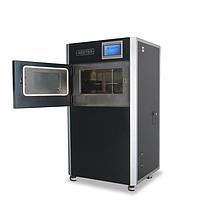
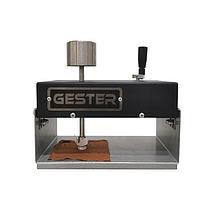
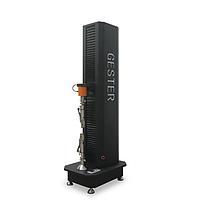
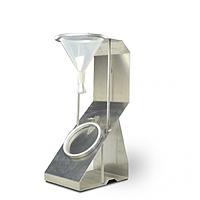
Textile testing equipments in this category support a broad range of physical and performance assessments for textiles, apparel, upholstery, and related materials. The selection is suitable for laboratories, manufacturers, inspection teams, and R&D departments that need consistent, repeatable results for product development, incoming inspection, and routine quality assurance.
Where textile testing equipment is used
Textile testing is relevant across the full product lifecycle, from fiber and fabric development to finished garment verification. Laboratories use these instruments to compare materials, confirm batch consistency, investigate product complaints, and check whether a fabric is suitable for a given end use.
Typical users include apparel manufacturers, textile mills, home furnishing suppliers, upholstery producers, test houses, and brand quality teams. Depending on the application, the focus may be on colourfastness after washing, resistance to pilling, drying behavior, light exposure, flame response, or water repellency.
Key test areas covered in this category
This category brings together instruments for several common textile performance checks. One important group is laundering and colourfastness testing, where repeatable wash conditions are used to assess colour change, staining, and dimensional stability after care cycles.
Another major area is surface and appearance evaluation. Pilling and snagging tests help determine how fabrics look after wear, abrasion, or tumbling action, while drying and water repellency tests are useful for performance textiles, technical fabrics, and outdoor applications. For safety-focused applications, flammability and ignitability testing is also highly relevant, especially for upholstery and interior textile materials.
Representative instruments and typical applications
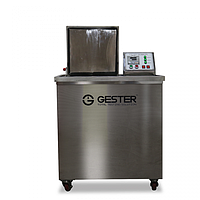
For laundering-related testing, James Heal offers widely recognized solutions such as the DynaWash Garment and Printed Fabric Durability Tester and the GyroWash range, including both the 8 Pot and 20 Pot Colour Fastness Tester. These instruments are commonly used when a laboratory needs controlled washing conditions for durability studies, colourfastness work, or shrinkage-related assessment.
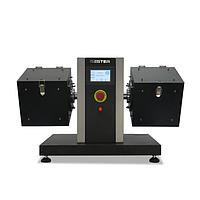
When the goal is to study appearance retention, examples in this category include the James Heal Orbitor Pilling and Snagging Tester, ProMace Mace Snag Tester, and Impulse Random Tumble Pilling Tester. Each serves a different role within the broader evaluation of fabric surface performance, helping quality teams compare constructions, finishes, and material blends under repeatable test conditions.
For weathering and environmental exposure, the James Heal TruFade Xenon Arc Light Fastness Tester with Weathering is relevant for lightfastness and visual assessment after controlled exposure. In performance-fabric workflows, the TruRain Water Repellency Tester and ProDry Dry Rate Tester help assess how materials behave in relation to water exposure and drying performance.
Fire behavior testing for fabrics and upholstered materials
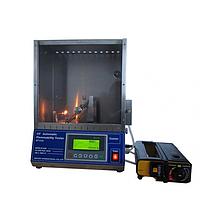
Textiles used in seating, furnishings, and public environments often require closer attention to ignition behavior. In this area, NOSELAB ATS equipment in the category includes the AC01 Fire resistance test apparatus for fabrics / textiles, the AC05 Test Chair BS 5852, and the AA11 Cabinet for textile inflammability test.
These instruments are intended for controlled evaluation of how textile materials and upholstered seating respond to a small ignition source in the early stage of fire exposure. For laboratories handling safety-related textile applications, this type of equipment supports more structured assessment of combustion behavior and material response under defined test setups.
How to choose the right textile testing equipment
The best choice depends first on the property you need to measure. A lab focused on apparel care performance may prioritize laundering, shrinkage, and colourfastness systems, while a supplier of upholstery materials may need to place more emphasis on flammability and ignitability testing. Technical textile applications may also require attention to drying behavior, repellency, and light exposure.
It is also important to consider sample throughput, installation format, and laboratory workflow. Some instruments are bench standing and suitable for smaller labs, while others are floor standing and designed for higher-capacity or more specialized testing. Reviewing required utilities, chamber size, and the type of result interpretation needed can help narrow down the most practical option.
For broader material barrier evaluation alongside textile work, some laboratories also explore related systems such as water vapor transmission rate test systems or oxygen permeation systems when the application extends into packaging, coated fabrics, or functional material research.
Why repeatability matters in textile laboratories
In textile testing, useful data comes from more than simply exposing a sample to stress or washing. The instrument must provide repeatable conditions so that results can be compared across batches, suppliers, development versions, or production periods. This is especially important in B2B environments where acceptance criteria, internal standards, and customer specifications must be supported by documented test results.
Consistent equipment also helps reduce disagreement between development, quality, and sourcing teams. Whether the task is investigating pilling, confirming wash durability, or evaluating flame response, a controlled method makes it easier to understand whether a material change is real or simply the result of inconsistent test setup.
Building a practical textile testing workflow
Many laboratories do not rely on a single instrument. Instead, they build a test workflow around the risks and performance claims of the product. A garment program, for example, may combine laundering, colourfastness, pilling, snagging, and drying assessments. Upholstery projects may combine ignitability testing with appearance and durability evaluation.
This category is therefore useful not only for purchasing an individual device, but also for planning a more complete laboratory setup. Where environmental conditioning or thermal preparation is part of the process, related lab equipment such as furnaces may also be relevant in adjacent material-testing workflows.
Find textile testing equipment that fits your application
Choosing suitable textile laboratory instruments starts with understanding the material, the end-use environment, and the test objective. This category covers practical solutions for wash durability, colourfastness, pilling, snagging, water repellency, drying rate, lightfastness, and flame-related evaluation, with representative equipment from established names including James Heal and NOSELAB ATS.
If you are comparing options for a textile lab, quality department, or product development center, this category provides a focused starting point for selecting equipment that aligns with your testing scope, sample volume, and application requirements.
Get exclusive volume discounts, bulk pricing updates, and new product alerts delivered directly to your inbox.
By subscribing, you agree to our Terms of Service and Privacy Policy.
Direct access to our certified experts