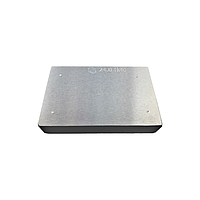
Standard block for hardness tester
Reliable hardness measurement depends on more than the tester itself. In daily inspection, calibration, and quality control work, a suitable standard block for hardness tester is essential for checking whether the instrument is reading within the expected range and whether the selected scale matches the material under test.
This category brings together reference blocks used to verify hardness testers across common methods such as Rockwell, Vickers, and Leeb. For production environments, laboratories, and maintenance teams, choosing the right test block helps reduce measurement drift, support repeatable results, and improve confidence before testing actual components.
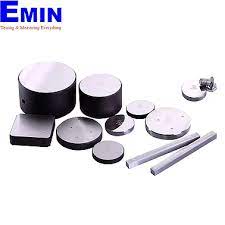
Why hardness test blocks matter in routine verification
A hardness tester can be affected by wear, indenter condition, load application, surface contamination, or general handling over time. A reference hardness block gives users a practical way to confirm that the system is performing correctly before measurement results are used for acceptance, traceability, or process control.
Instead of treating verification as a one-time setup step, many facilities use standard blocks as part of a regular inspection routine. This is especially important when multiple operators share the same equipment or when the tester is used on different materials, scales, and production lines.
Common block types in this category
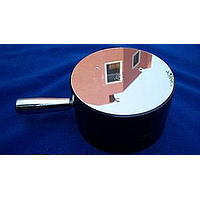
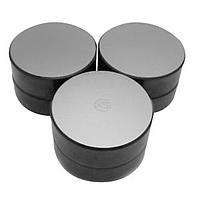
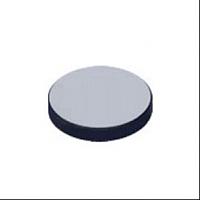
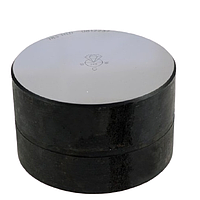
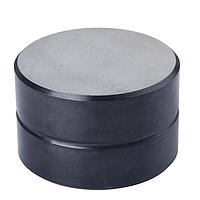
The products shown here cover several widely used hardness scales. For Rockwell applications, examples include YAMAMOTO blocks in HRA, HRC, and HRBS ranges, such as HRC-30-Y, HRC-50-Y, HRC-67-Y, HRA-56-Y, HRA-75-Y, HRA-87-Y, and HRBS-62-Y or HRBS-82-Y. These options are useful when verification needs to reflect the actual scale used on the shop floor.
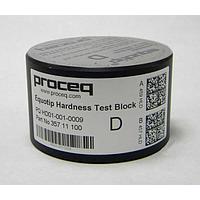
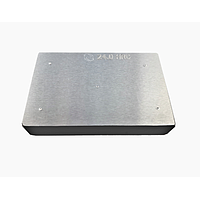
For Vickers testing, NOVOTEST blocks such as HV: 450±75 (2kg) and HV: 800±50 2kg provide reference points for micro or low-load verification tasks where the applied force is part of the setup logic. For portable rebound-based measurement, the KERN AHMO D04 test block type D/DC is intended for checking Leeb-type measurements in the specified HL range.
If you are selecting blocks for Rockwell-based workflows, it may also be helpful to review compatible Rockwell hardness testers to align the verification method with the instrument type in use.
How to choose the right standard block
The first step is to match the block to the hardness scale of the tester. A Rockwell tester requires a block for the correct Rockwell scale, while a Vickers system needs a Vickers reference block with an appropriate test load. A mismatch between scale and block makes the verification result less meaningful, even if the nominal hardness value appears close.
The second point is the expected hardness range of the parts you normally inspect. It is usually more useful to verify a tester with a block close to the typical measurement range rather than selecting a random reference value. For example, if your process mainly works in an HRC range around medium or high hardness, a block such as YAMAMOTO HRC-50-Y or HRC-67-Y may be more relevant than a much lower range alternative.
Users of portable instruments may also want to compare reference accessories with the corresponding Leeb and handheld hardness meter category, especially when verification is performed in field service or maintenance environments.
Examples from leading manufacturers
This category includes products from recognized suppliers such as YAMAMOTO, NOVOTEST, and KERN. YAMAMOTO is represented here with a broad set of Rockwell standard blocks covering HRA, HRC, and HRBS values, making it easier to choose a reference near the intended operating point of the tester.
NOVOTEST adds Vickers reference blocks for users working with HV measurements and defined loads, while KERN offers a Leeb-oriented test block for D/DC type applications. Together, these examples show that standard blocks are not one-size-fits-all items; they are selected according to testing principle, scale, and verification purpose.
What to check before ordering
Before purchasing, confirm the testing method, scale designation, nominal hardness value, and any stated variation or accuracy information. In some cases, traceability details may also matter, particularly for controlled quality systems or where documented verification procedures are required.
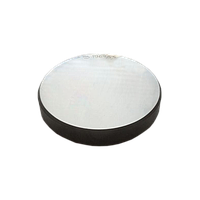
It is also worth checking the physical format of the block, including dimensions where relevant, so it can be handled correctly on the intended instrument. For example, some Rockwell blocks in this category are listed with a 64 mm diameter, while Vickers and Leeb reference blocks may follow different forms based on the testing principle.
Where broader verification across multiple methods is needed, some buyers also compare this category with universal hardness testers that support more than one hardness scale within a single system.
Typical applications in industry and labs
Standard blocks are commonly used in incoming inspection, machine setup verification, periodic instrument checks, and maintenance routines. They are equally relevant in manufacturing plants, heat treatment operations, testing laboratories, and service departments that rely on consistent hardness data for product quality decisions.
In practical terms, the block is often used before a batch of measurements starts, after a tester has been moved, or whenever operators suspect inconsistent readings. This simple step can help identify instrument issues early and reduce the risk of accepting incorrect measurements as valid process data.
Good practice for using and storing test blocks
To maintain reliable verification results, the block surface should be kept clean and protected from unnecessary damage. Users should avoid careless handling, unapproved reworking, or repeated testing in exactly the same point if the method requires distributed impressions across the usable area.
Storage conditions and handling discipline also matter. A reference block is a control item, not just a metal sample, so preserving its surface condition and identification is important for long-term repeatability and audit readiness.
Find the right block for your hardness verification workflow
Whether you need a Rockwell reference such as YAMAMOTO HRA, HRC, or HRBS blocks, a Vickers block from NOVOTEST, or a Leeb verification block from KERN, the main priority is selecting a reference that matches the tester and the real measurement range of your application. That approach supports more dependable checks and more credible hardness results.
Browse this category to compare available standard blocks by scale, nominal hardness value, and intended use. A well-matched verification block is a small but important part of a dependable hardness testing process.
Get exclusive volume discounts, bulk pricing updates, and new product alerts delivered directly to your inbox.
By subscribing, you agree to our Terms of Service and Privacy Policy.
Direct access to our certified experts