Pipe & Cable locator
Finding the exact route of a buried utility before excavation can prevent cable damage, service interruptions, and unnecessary repair costs. In maintenance, construction, and utility work, Pipe & Cable locator equipment helps technicians trace underground lines, verify depth, and narrow down inspection areas with far better accuracy than trial digging.
This category focuses on instruments used to detect and trace metallic pipes, underground cables, and, with the right accessories or sondes, selected non-metallic lines. It is especially relevant for water networks, electrical infrastructure, telecom routes, industrial plants, and facility maintenance teams that need a practical way to identify underground paths before testing, repair, or installation work.
Why underground locating matters in real field work
Buried infrastructure is often more complex than drawings suggest. Over time, route changes, undocumented repairs, or multiple utility layers can make it difficult to confirm where a line actually runs. A locator reduces uncertainty by helping operators follow the path of a conductor or pipe from the surface and identify likely intersections, bends, and direction changes.
This matters not only for excavation safety, but also for diagnostics. Before checking insulation, continuity, leakage, or network condition, teams usually need to know the line position first. In that sense, locating is not an isolated task; it is part of a broader workflow that may also involve wall and wire detection tools or other utility inspection instruments depending on the job site.
How pipe and cable locators typically work
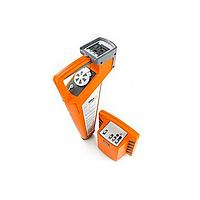
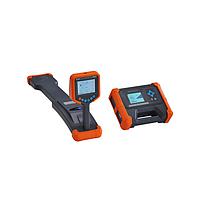
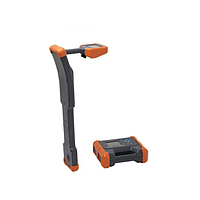
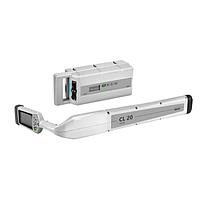
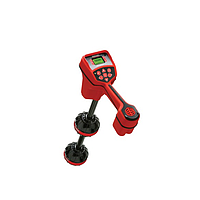
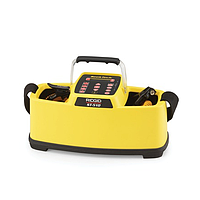
Most systems in this category use a combination of transmitter and receiver. The transmitter injects or induces a signal into the target line, while the receiver detects that signal from above ground so the operator can trace the route. Different frequencies are used because the best choice depends on line type, grounding conditions, distance, and surrounding interference.
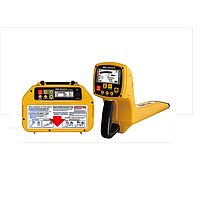
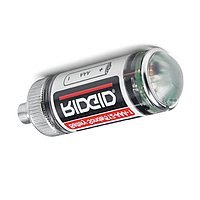
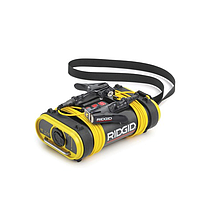
For metallic utilities, direct connection or inductive methods are common. For non-metallic pipes, a sonde can be inserted into the line so that the receiver tracks the signal source underground. This is where products such as the TvbTech TPL200 Sonde and Power Line Locator are useful, as they support sonde-based locating and power line tracing in one field-ready setup.
Common applications across utilities and industrial sites
Pipe and cable locators are widely used by contractors, facility engineers, and municipal maintenance teams. Typical applications include tracing buried power cables before trenching, identifying water or drainage routes during inspection, locating telecom lines in crowded corridors, and confirming utility paths before drilling, coring, or roadwork.
These instruments are also valuable when leak investigation or fault isolation begins with route verification. Knowing where a pipe or cable actually runs can shorten the search area and reduce unnecessary surface disruption. For broader underground search tasks that are not limited to utilities, some users may also review solutions in underground metal detector categories, although the measurement approach and intended use are different.
Examples of equipment in this category
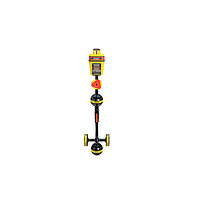
The category includes compact entry-level models as well as more advanced utility locating systems. For lighter pipe tracing work, the Value+ PL33C, PL33D, PL33E, and PL33F models are designed for locating pipes in practical service environments, including PVC, concrete, and metallic pipe scanning with a 20 m transmission cable. These are typically suitable where portability and straightforward operation are important.
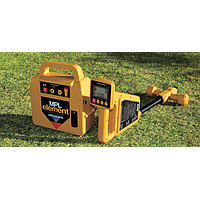
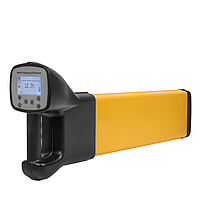
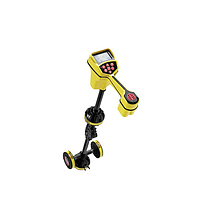
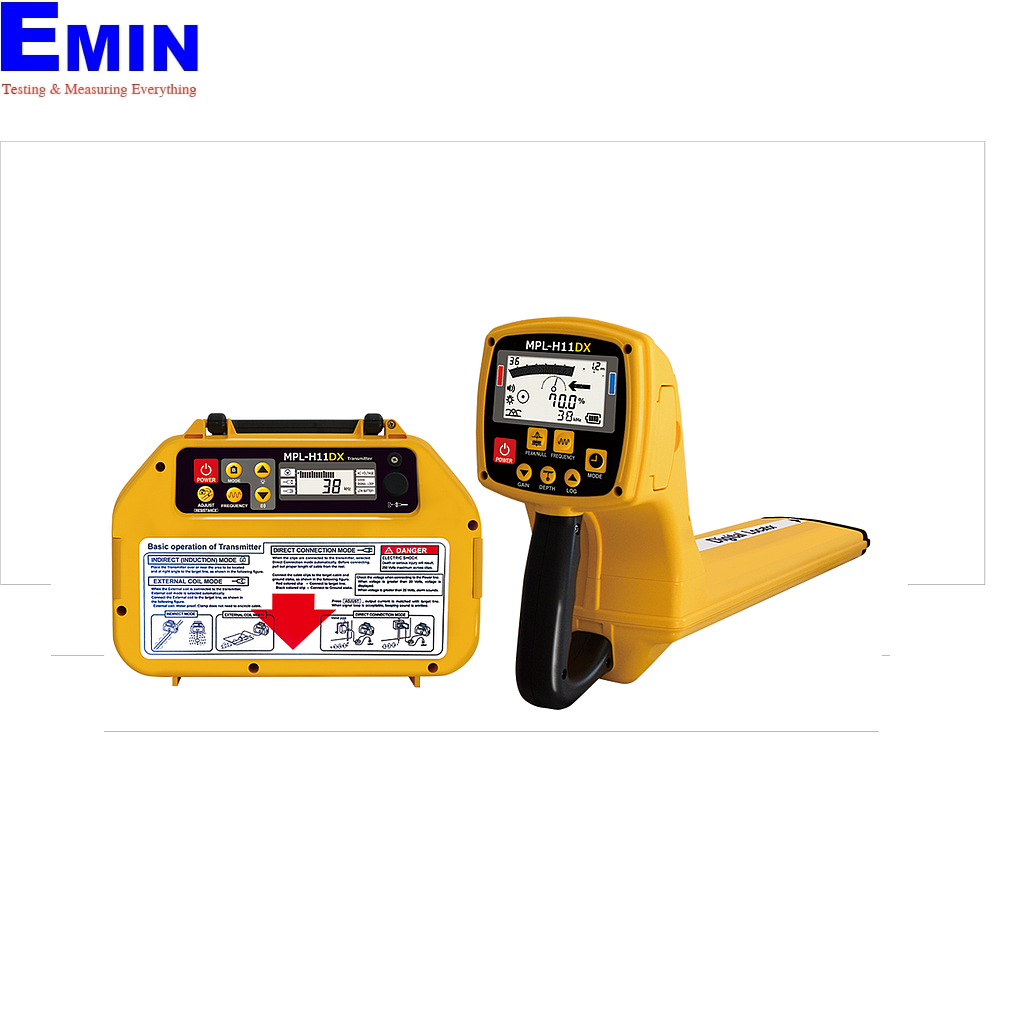
For utility locating with broader frequency options and field features, models such as the TAKACHIHO MPL Element Pipe Locator and TAKACHIHO MPL-H11DX series provide a more advanced platform for tracing and depth-related work. The TAKACHIHO MPL-H11DX and MPL-H11DX HP variants are especially relevant when users need multiple active frequencies, passive modes, and more flexible locating methods for buried cables and pipelines.
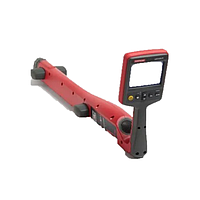
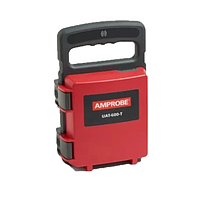
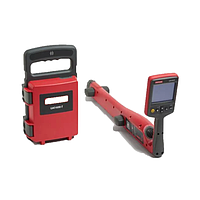
Other examples include the Amprobe UAT-620 Underground Utilities Locator Kit, which comes as a complete field set, and the HT HT-5000 Localizer for buried cables and metal tubes for cable and metallic tube tracing tasks. Accessories also play a role in the ecosystem, such as the Ridgid 66518 18V Locator Adaptor, which supports compatible locator workflows rather than serving as a standalone locating instrument.
What to consider when selecting a locator
A good selection process starts with the target utility. If the main job is tracing metallic cables or pipes, a standard transmitter-receiver locator may be sufficient. If non-metallic pipe work is involved, sonde compatibility becomes more important. Frequency options also matter because lower and higher frequencies behave differently depending on distance, coupling method, and site conditions.
Another key factor is the work environment. Outdoor utility teams may need stronger ingress protection, longer battery life, and clear audio or visual indication under noisy conditions. Depth readout, current measurement, Bluetooth connectivity, and data logging can also be useful for documentation-heavy jobs, especially where repeated inspections or route verification records are required.
Users should also think about whether they need a complete kit or a modular setup. A full kit like the Amprobe UAT-620 can simplify deployment, while organizations with existing compatible tools may focus on expanding accessories, clamps, sondes, or adapters. Where cable testing is part of the wider maintenance process, products from HT or other listed brands may fit naturally into a broader electrical diagnostic workflow.
From route tracing to fault and leak investigation
Pipe and cable locating often supports other inspection tasks rather than replacing them. In underground water systems, for example, route confirmation is usually the first step before detailed leak investigation. Once the utility path is known, technicians can define better sensor positions, inspection points, or excavation boundaries.
The same logic applies to cable maintenance. Before advanced test procedures or fault-related checks, teams need confidence that the right line has been identified and followed correctly. In this sense, a locator helps improve safety, reduce wasted effort, and support better decisions during both preventive maintenance and troubleshooting.
Choosing by brand and application fit
Different brands in this category reflect different usage priorities. Amprobe is often considered when users want a packaged underground utilities locator kit. TAKACHIHO stands out in applications that benefit from multiple locating modes and broad frequency support. TvbTech is relevant when sonde-based tracing and power line locating need to be combined in one compact solution.
Value+ models can be a practical option for straightforward pipe locating work, while HT offers solutions for buried cable and metal tube localization. Ridgid appears here through a locator-related accessory, and Tinsley is represented in the wider cable-testing context by the 5903N Long-Haul Submarine Cable Test Set, which belongs more to specialized cable test environments than routine surface locating. The right choice depends less on brand recognition alone and more on the actual utility type, field conditions, and inspection workflow.
Final thoughts
Underground locating is a foundational step for safer excavation, faster maintenance, and more reliable utility inspection. Whether the task involves tracing buried cables, following metal pipes, or working with sondes for selected non-metallic lines, the right instrument can make field work more controlled and easier to verify.
When comparing products in this category, focus on locating method, supported frequencies, target utility type, and how the device fits into your existing workflow. A well-matched locator does more than show where something is buried; it helps teams work with greater confidence from the first survey to the final repair decision.
Get exclusive volume discounts, bulk pricing updates, and new product alerts delivered directly to your inbox.
By subscribing, you agree to our Terms of Service and Privacy Policy.
Direct access to our certified experts