Coating Hardness Testers
When coating performance has to be verified beyond appearance alone, hardness testing becomes an important part of the inspection process. A cured film may look uniform on the surface, but its resistance to scratching, indentation, or mechanical damping can directly affect durability in production, finishing, and quality control environments.
Coating Hardness Testers are used to evaluate how a paint, varnish, lacquer, or protective coating responds to defined mechanical contact. Depending on the test method, the result can help assess curing quality, compare formulations, support incoming inspection, or confirm process consistency on finished parts and coated panels.
Why hardness testing matters in coating evaluation
Hardness is not a single universal value for every coating system. In practice, it is evaluated through different methods that simulate scratch resistance, indentation behavior, or surface response under controlled conditions. This is why hardness testing is often considered alongside other checks such as coating thickness measurement and visual or adhesion assessment.
For manufacturers, applicators, and laboratories, the right hardness test helps answer practical questions: Has the coating fully cured? Is one batch performing differently from another? Will the surface tolerate handling, packaging, assembly, or service contact? In many workflows, hardness data becomes more useful when interpreted together with results from an adhesion tester and thickness control process.
Common test methods within this category
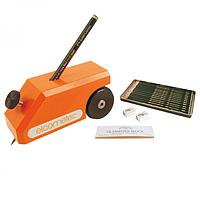
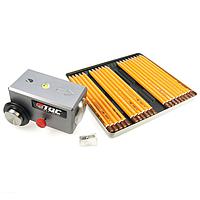
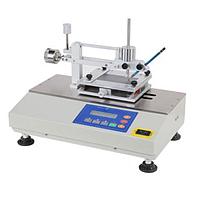
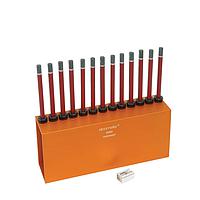
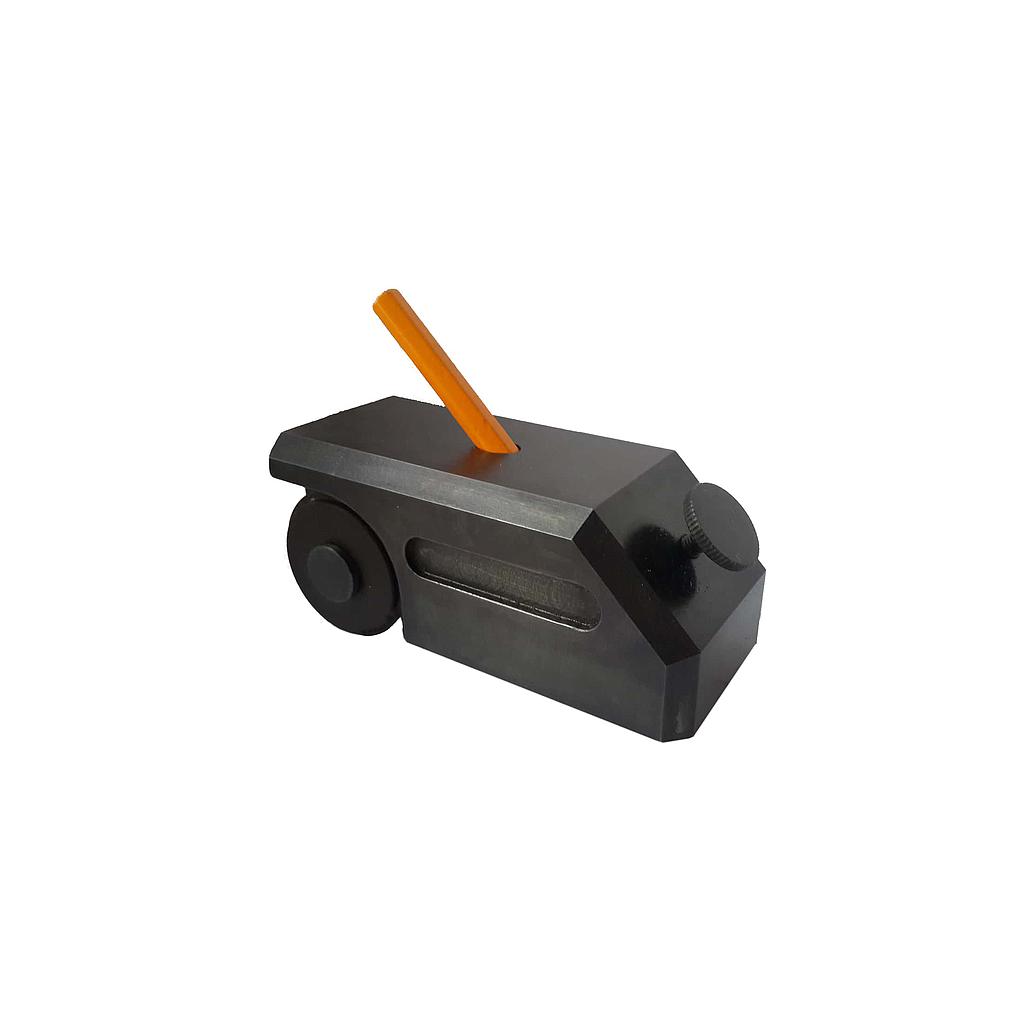
This category covers several established approaches to coating hardness evaluation. Pencil hardness testing is widely used for fast comparative checks, especially in labs and production settings where operators need a simple and repeatable way to rank surface resistance across a range of coating systems.
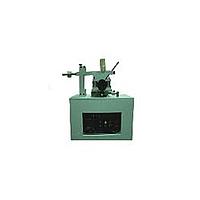
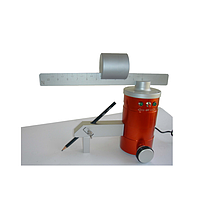
Indentation-based methods such as Buchholz testing evaluate how the coating responds to a defined load over a controlled contact geometry. Sclerometer-style testing is used for scratch-related evaluation, while pendulum methods measure damping behavior and are often chosen for smooth coated panels where film elasticity and hardness characteristics are important. Each method reveals a different aspect of the coating, so selection should follow the relevant standard, substrate type, and acceptance criteria.
Representative instruments and accessories
Several well-known solutions in this category illustrate the range of available test methods. From ELCOMETER, examples include the ELCOMETER 3080 Pencil Hardness Tester, the ELCOMETER H501----1 pencil hardness tester, the ELCOMETER 3092 Sclerometer Hardness Tester, and the ELCOMETER 3095 Buchholz Hardness Tester. These instruments are commonly used where portable, method-specific coating evaluation is required.
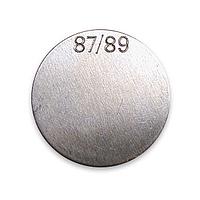
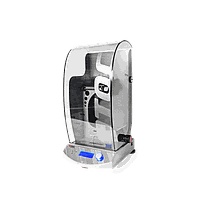
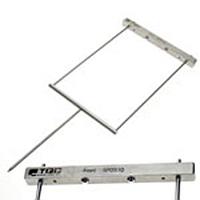
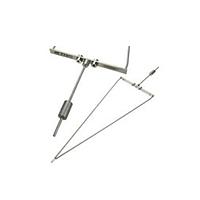
For pendulum-based testing, TQCSheen offers the SP0500 Pendulum Hardness Tester, supported by the TQCSheen SP0505 König Pendulum and TQCSheen SP0510 Persoz Pendulum for different pendulum methods. The category also includes supporting items such as the ELCOMETER KT003092P003 Tungsten Carbide Tip, the ELCOMETER KT003101P001 Spare Indenter point, and the ELCOMETER 3101 Certified Test Disc 934-1, which play an important role in maintaining test readiness, traceability, and measurement consistency.
How to choose the right coating hardness tester
The first selection factor is the test principle required by your specification or customer standard. If your procedure calls for pencil hardness according to common coating test practices, a dedicated pencil hardness tester may be the most direct option. If your work requires controlled indentation or scratch assessment, Buchholz or sclerometer-based instruments may be more suitable.
The second factor is the nature of the sample. Flat laboratory panels are usually easier to test with pendulum or pencil methods, while production parts may limit the usable test geometry. You should also consider operator skill, portability, accessory availability, and whether regular verification materials or spare contact parts are needed to keep the method reliable over time.
For many users, the most effective approach is to build a broader coating inspection workflow rather than rely on hardness alone. In applications where non-conductive substrates are involved, related tools such as a coating thickness gage for non-metal can help provide a more complete picture of film quality.
Applications across coating and finishing processes
Coating hardness testers are used in paint and powder coating laboratories, metal finishing lines, industrial QA departments, and product development environments. Typical applications include comparing curing schedules, checking incoming coated samples, validating changes in formulation, and monitoring process repeatability from batch to batch.
These instruments are also relevant where coated surfaces must withstand handling, abrasion risk, or contact during assembly and transport. Depending on the industry, that may include general industrial coatings, protective finishes, appliance coatings, metal furniture, fabricated parts, and coated test panels prepared for qualification work.
Why accessories and calibration-related items matter
In hardness testing, the result is only as dependable as the condition of the contact element and the consistency of the method. Worn tips, damaged indenters, or poorly maintained pendulum components can influence test behavior and make trend data less reliable. That is why replacement and verification items are not just optional extras but part of the overall measurement system.
Accessories such as spare indenter points, tungsten carbide tips, and certified test discs help users maintain repeatable operating conditions and reduce uncertainty during routine testing. When choosing equipment for long-term use, it is worth checking not only the main instrument but also the availability of the supporting components needed for ongoing inspection work.
Brands and ecosystem considerations
This category includes recognized names used in coating inspection workflows, including ELCOMETER and TQCSheen. While different brands may focus on particular test methods or instrument styles, the more important decision is whether the selected device fits the required standard, sample format, and daily operating environment.
Users comparing options may also look at the wider ecosystem of coating control instruments, especially when hardness data needs to be correlated with film build, defect detection, or other quality checks. In some applications, additional tools such as a holiday detector may be relevant within a broader protective coating inspection program.
Choosing with confidence
A suitable hardness tester should match the coating system, the test standard, and the decisions you need to make from the result. Whether you are looking for a straightforward pencil method, an indentation-based approach, or a pendulum system for more specialized film evaluation, this category brings together instruments and accessories used for practical coating quality control.
By selecting the appropriate method and maintaining the related accessories properly, you can build a more consistent inspection process and generate hardness results that are meaningful in real production and laboratory conditions.
Get exclusive volume discounts, bulk pricing updates, and new product alerts delivered directly to your inbox.
By subscribing, you agree to our Terms of Service and Privacy Policy.
Direct access to our certified experts