For full functionality of this site it is necessary to enable JavaScript.
EMIN.COM.MM
0

Problems when using hydraulics? How to solve it

02/06/2025 16:23:43

The application of hydraulic jacks in practice is unquestionable, because this is still an important equipment chosen by many industries in Vietnam. With outstanding features, this device helps increase labor productivity and improve work accuracy. In the coming time, fields such as repair, assembly, manufacturing, traffic rescue, construction... will certainly still need hydraulic jacks.

However, during use, sometimes some problems cannot be avoided. So what are common problems and how to handle them? Let's find out in the article below

Common problems when using hydraulic jacks
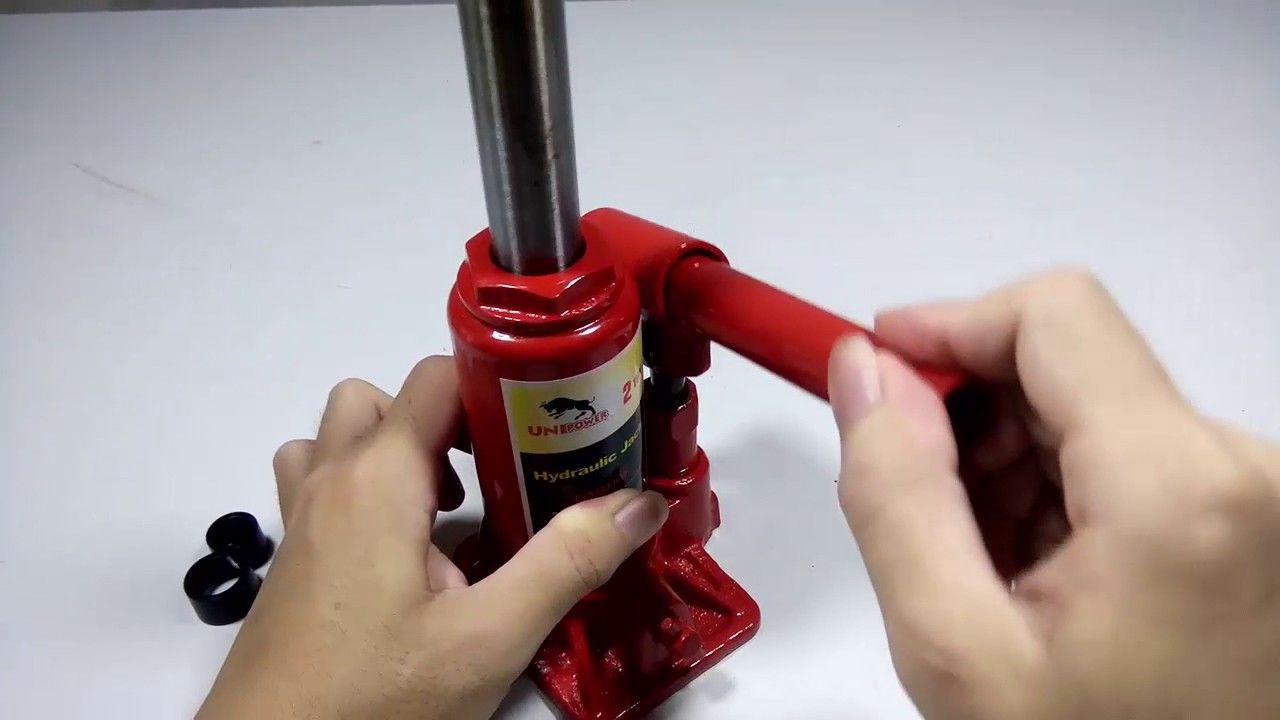
After a long period of operation, especially in harsh environmental conditions, hydraulic jacks may encounter some problems such as:

The device is stuck and cannot be raised or lowered as usual.

The retaining pin is broken, affecting the operation process.

The pressure valve has a problem, causing the device to become uncontrollable.

The actuator mechanism operates slowly, is unstable or reacts erratically.

Oil leakage occurs, causing loss and affecting performance.

The surface rusts and wears over time.

Causes of hydraulic jack failure

As mentioned, hydraulic jacks can have problems due to many different reasons, including:

Failure to maintain equipment regularly will cause parts to degrade over time.

Using the wrong type of oil when replacing will affect performance.

Leaving the device outdoors for long periods of time, exposed to rain and sun, can lead to rust and damage.

Operating beyond the permissible load causes the jack to be overloaded and quickly degrade.

Use in unfavorable environments or for too long a time without appropriate protection measures will reduce device life.

Solution to troubleshooting hydraulic jacks
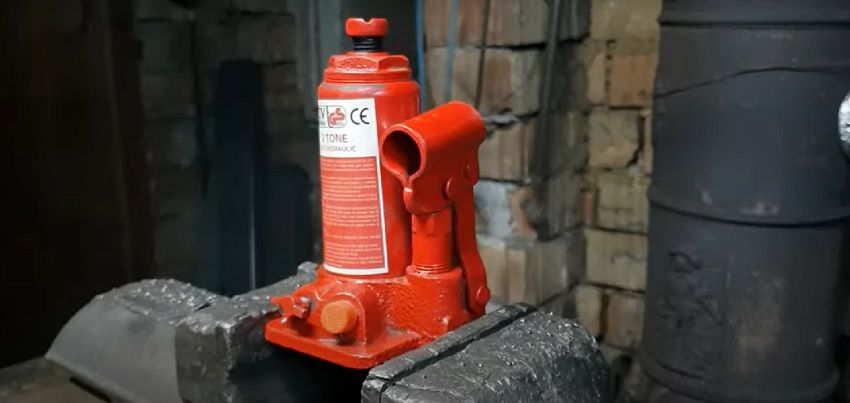
To maintain the life of the hydraulic jack and limit unwanted damage, periodic maintenance is important and cannot be ignored. When detecting unusual signs, it is necessary to quickly check and take timely measures. If the problem is complicated, contact a reputable repair unit immediately to avoid more serious damage. It is necessary to be proactive in maintenance and repair to help equipment operate more stably and minimize interruptions during work.

See more related articles:

How many types of hydraulic gravity jacks are there?

What is a hydraulic jack? How many types of hydraulic gravity lifting jacks are there?

Related News

What is the required TDS level for shrimp ponds?
06/12/2026 14:26:27

What is the ideal TDS level for a shrimp tank? Many people spend a lot of time monitoring pH, temperature, and filtration systems but overlook TDS. Only when shrimp grow slowly, their colors fade, they have difficulty molting, or die off sporadically do they start checking their water source and discover that this indicator has long been out of the right range

Signs that the electrodes in your TDS meter are degraded and need replacing
06/12/2026 11:43:51

TDS meters can operate reliably for many years, but the electrodes are the most subject to wear and tear. Each time a measurement is taken, the sensor surface comes into direct contact with water, dissolved minerals, and various other chemical components. This continuous process means the electrode's responsiveness gradually decreases over time.

Can metal detectors locate underground pipes and cables?
06/10/2026 19:17:37

Metal detectors operate on the principle of passive electromagnetic induction and can only detect isolated metal objects such as gold, copper, and iron. These devices cannot trace utility paths because they cannot differentiate the direction or depth of long, buried continuous pipes. For insulated electrical cables or plastic pipes, metal detectors are completely ineffective as there is no AC current to generate a magnetic field. Furthermore, the detection depth of standard consumer metal detectors is typically limited to 1 - 2 meters for small objects, whereas underground utility lines are often buried 3 - 5 meters deep or even more.

Stay Updated with Offers

Get exclusive volume discounts, bulk pricing updates, and new product alerts delivered directly to your inbox.

By subscribing, you agree to our Terms of Service and Privacy Policy.

Quick Support

Direct access to our certified experts