When an electric current flows through them, these particles act as energy carriers throughout the material.
Factors that alter transmission capabilities
The ability of each material to conduct electricity often varies depending on environmental conditions. Temperature plays a crucial role, as atoms begin to vibrate more violently under the influence of heat, hindering the path of free electrons.
This explains why metals tend to conduct electricity less efficiently when heated. Furthermore, the presence of foreign elements within the crystal lattice also disrupts the flow of electricity, causing a significant decrease in efficiency.
Ranking of electrical conductivity among metals
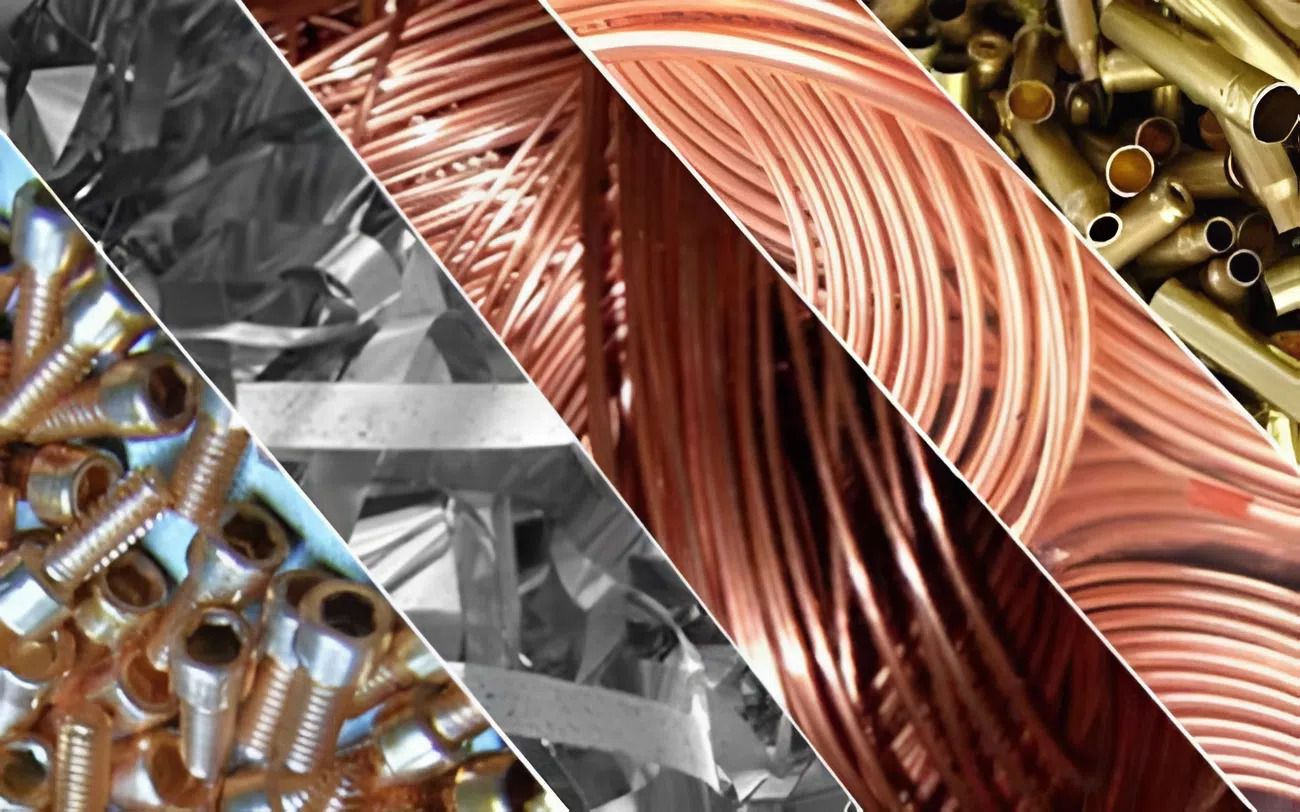
Silver leads in conductivity. Thanks to its atomic structure, which allows electrons to move with minimal obstruction, silver is the best electrical conductor. However, its high cost means this white metal is used only in specialized components or critical contact points, rather than as a general-purpose conductor.
Following closely behind silver is copper. This is the most important material in the electrical industry due to its balance between transmission efficiency and extraction costs. Copper possesses ductility and is easily bent, making it convenient for manufacturing various types of electrical cables or motor cores.
Gold ranks next on the list. Although its electrical conductivity is lower than copper, gold possesses the unique physicochemical properties of not deteriorating or oxidizing. Therefore, gold is often used to plate signal connectors to maintain long-term transmission quality without worrying about rust.
Aluminum is another popular choice, with its biggest advantage being its light weight. Although it only has about 60% the electrical conductivity of copper, aluminum is the top choice for high-voltage power grids transmitting electricity over long distances. Its low weight reduces the load on poles and lowers construction costs.
Next on the list are names like sodium and tungsten. Sodium is often found in liquid form for heat dissipation in specialized energy systems, while tungsten, with its extremely high heat resistance, is associated with light-emitting components such as light bulb filaments.
At the bottom of the list, brass and iron have significantly lower electrical conductivity. Brass is essentially an alloy, while iron, although common, is often utilized for its hardness and magnetism rather than its electrical conductivity. The last metals in the list, such as chromium or lead, usually only play supporting roles, such as surface plating for scratch resistance or as electrode plates in batteries and radiation shields.
Summary of the transmission order in descending order
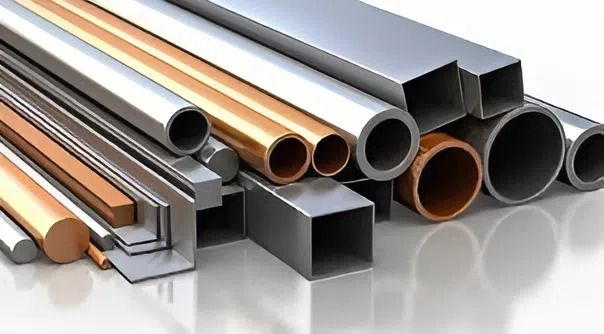
The order of energy transfer is arranged as follows: Silver > Copper > Gold > Aluminum > Sodium > Tungsten > Brass > Iron > Chromium > Lead.
Electrical conductivity is not limited to metals but also exists in liquids. Instead of electrons, current flows through water due to the concentration of dissolved ions. This indicator reflects the purity of the water source used for domestic or industrial purposes. Several devices can help you quickly determine this concentration.
See our catalog of testing equipment here: EC Conductivity Meter