How many types of steel are commonly used today?
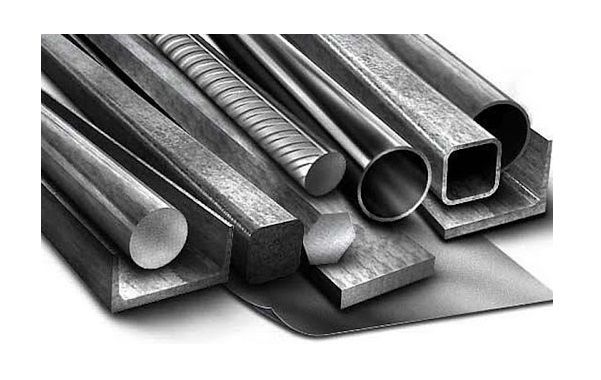
In the current market, steel is divided into many different types to serve the needs of production and construction. Some common types are construction steel, square steel, steel pipes, steel plates, shaped steel, etc. Each type has its own characteristics, designed to suit each specific application. Below is a summary of some types of steel and how to identify them when checking and measuring steel diameter with a caliper.
Construction steel
This is the most commonly used type of steel in civil and industrial construction. In this group, the most popular are rolled steel and round steel bars. Each type is divided into many forms to suit each construction part.
With round steel bars, there are two types you will often encounter: smooth steel and ribbed steel. Smooth steel has a smooth, flexible surface, so it is often used for belts or details that require flexibility. The diameter of smooth steel usually ranges from 14 to 25mm, with a standard length of 12 meters.
As for ribbed steel (many places call it ribbed steel), solid steel bars, with raised ribs on the surface, common diameters from 10 to 32mm. This type of steel is mainly used for pouring reinforced concrete, thanks to its better adhesion than plain steel. When measuring this type with a caliper, you need to place it correctly at the base of the ribbed groove to get the correct measurement.
As for the coiled steel line, it is in the form of a round wire, with a smooth surface, and can be rolled into a large circle. Common diameters include Ø6, Ø8, Ø10, Ø12, Ø14. Coiled steel is often used for tying, bracing or constructing small components in construction works such as belt steel, anchor hooks, or as auxiliary scaffolding. Measuring the diameter of coiled steel with a caliper is also quite easy thanks to its smooth surface, without ribs.
Other types of steel commonly found in production and construction
In addition to construction steel, you will encounter many other types of steel depending on the field of use. Each type has different shapes and parameters, so checking the steel diameter is still an important step that cannot be skipped.
Steel plates are usually flat or rolled, the surface can be smooth or ribbed. This type of steel is widely used in automobile manufacturing, making truck beds, factory structures or even in furniture.
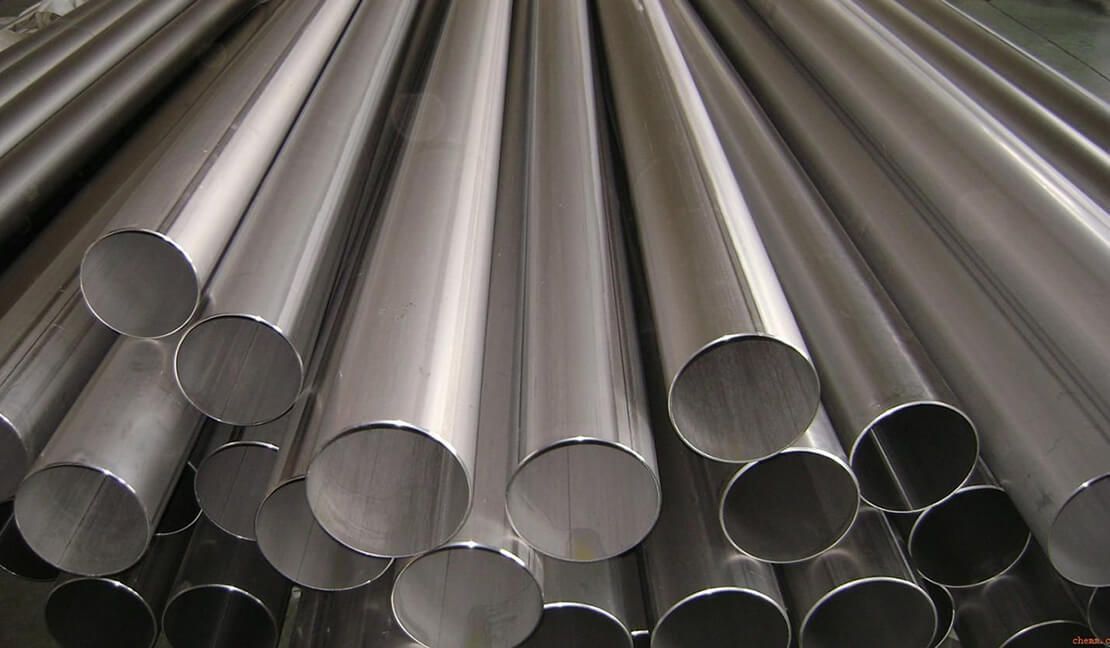
Steel pipes are hollow cylinders with smooth surfaces, commonly available in many different shapes such as round, square or rectangular. Steel pipe sizes are quite diverse, with diameters ranging from about 12.7mm to more than 200mm, thicknesses from less than 1mm to more than 6mm. When checking the diameter of steel pipes, you can use a mechanical or digital caliper to measure the outside of the pipe, the operation is quite quick and easy.
Steel boxes are square or rectangular, hollow inside and have a standard length of about 6m. The wall thickness of the box is usually less than 5.1mm. This type of steel is widely used in house frame construction, factories and some civil applications such as making doors, shelves or iron frames.
Regardless of the type, steel products are manufactured according to certain standards, including requirements for steel diameter. Checking the correct size will help you ensure the strength and suitability for the construction design. When measuring types such as ribbed steel or steel pipes, you should note that the surface can cause errors if used incorrectly. With ribbed steel, the ribs on the body can prevent the caliper from being close, so it is necessary to operate at the correct placement point to avoid errors.
How to check the diameter of rebar with a caliper
When determining the diameter of ribbed steel, you can follow two basic methods: using a caliper or applying the formula for calculating the nominal diameter. Depending on the actual conditions, you can flexibly choose the appropriate measurement method.
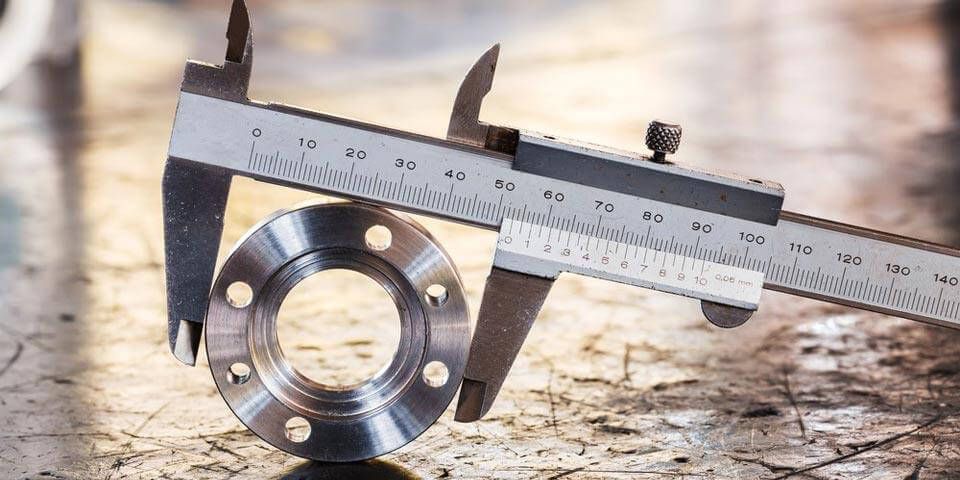
With the caliper measurement method, it should be noted that ribbed steel has a raised, uneven ribbed surface. Therefore, if you measure at the ribbed part, the data will be skewed. To ensure accuracy, the measuring position should be placed in the concave part between the ribs, where the cross-section is most uniform.
In addition, you should also prioritize using calipers from brands that have been proven for accuracy such as Mitutoyo or Insize. Good quality tools will help limit errors when operating, especially in jobs that require continuous measurement with many different steel bars.
Steps to measure the diameter of ribbed steel with a caliper
You can measure the diameter of ribbed steel with a caliper in the following order:
Step 1: Check the fit of the ruler. Clamp the jaw of the ruler so that the scale line coincides with the zero line of the main ruler. This is a quick check to make sure the ruler is not skewed.
Step 2: Open the outer jaw of the caliper so that it is wider than the steel size to be measured. Place the ruler perpendicular to the steel bar, clamp it between the two ribs, then tighten the fixing screw.
Step 3: Remove the ruler from the steel sample, read the measurement value displayed on the scale line to determine the diameter.
How to measure round steel diameter with calipers
With round steel, measuring the diameter with a caliper is quite quick because the surface is not ribbed. You can measure the outer diameter similar to measuring ribbed steel, just clamp the caliper right at the contact point, tighten the screw, then pull it out to read the value.
If you want to determine the inner diameter (like in a round iron pipe), follow these steps:
Step 1: Open the inner jaw of the caliper, put it inside the part to be measured. Place the caliper perpendicular to the center of the pipe, adjust so that the jaw touches both sides of the inner wall of the pipe.
Step 2: Tighten the locking screw, remove the ruler from the sample, and read the measurement result.
To limit errors and ensure accurate repeat measurements, you should choose calipers from trusted brands such as Mitutoyo. Some popular models include Mitutoyo 530-114, Mitutoyo 500-197-30 or Mitutoyo 530-119. These are devices that are often used by mechanical engineers in practice.
Some notes when using calipers to measure steel diameter
In addition to understanding how to measure, you should also pay attention to some important points so that the steel diameter checking process is quick and gives results that meet technical requirements. This is a necessary factor when you need to compare data with design drawings or construction standards.
First of all, make sure you have updated the standards related to construction steel and reinforced concrete according to TCVN. This will help you check the correct type and size of steel being used.
Next, you need to check the fit and accuracy of the ruler before taking the measurement. This is simple but very important to avoid errors right from the start.
For those who want to operate faster and read the results more easily, you can consider using electronic calipers or dial calipers. Both types of calipers support clear display, no need to read the graduation lines manually like conventional mechanical calipers.
When measuring, you should do it two to three times in different positions and then take the average result. This method helps reduce the impact of errors due to uneven surfaces or misaligned calipers.
The above are the points to note when measuring steel diameter with calipers, especially with smooth round steel and ribbed steel. If you want to choose a type of caliper suitable for construction measurement work, do not hesitate to contact EMIN for more detailed advice.