Here are some typical examples of how RPM is used in practice.
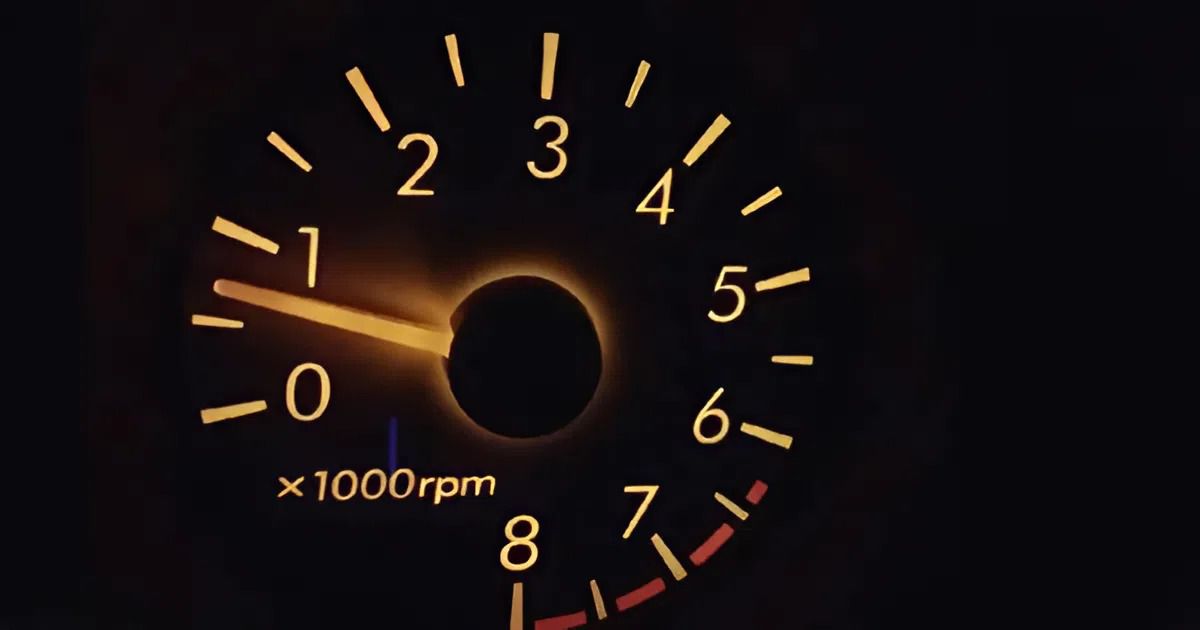
RPM of industrial fans
Industrial fans are widely used in workshops, production areas, factories, and spaces requiring ventilation or air extraction. Each fan model has its own RPM rating, reflecting the rotational speed of the motor and impeller.
Differences in motor construction, impeller design, and intended use will result in different RPM levels. When selecting a fan, this rating is often considered because it directly affects airflow, noise levels, and pressure generation.
The higher the RPM, the faster the fan blades rotate, generating more airflow, but the noise level also increases. For applications such as dust extraction, hot air removal, or forced ventilation, high-RPM fans are generally preferred. Conversely, spaces requiring stable operation and low noise levels are more suitable for fans with lower RPMs.
Bicycle wheel RPM

In cycling, RPM is commonly used to indicate the number of pedal rotations per minute. This indicator reflects the pedaling rate and directly affects the speed of the bicycle.
As RPM increases, the wheels spin faster, and the speed increases. Cyclists can adjust RPM according to their fitness level, terrain, and training goals to achieve the desired effect.
For example, a bicycle with an RPM of 50 means the pedals complete 50 rotations per minute.
RPM of a computer hard drive
RPM is also used to describe the rotational speed of a hard drive in a computer. This parameter indicates the number of rotations of the magnetic disk in one minute.
For example, a hard drive with an RPM of 9000 means the disk rotates 9000 revolutions per minute. The higher the RPM, the faster the data access time, because the read/write head accesses the data in a shorter time.
Therefore, RPM was once an important criterion when evaluating the performance of mechanical hard drives in desktop and workstation computers.
RPM in the production of coiled products
Many manufacturing industries use winding machines to produce products such as plastic bags, toilet paper, adhesive tape, or packaging film. With these machines, RPM is used to evaluate the speed and productivity of winding.
A higher RPM means more rotations of the winding shaft per minute, thus increasing output. Proper RPM control helps the machine operate stably, reduces product defects, and optimizes production efficiency.
Read more related articles to better understand RPM: What is RPM and why is this parameter so common?
Things to note when choosing RPM for industrial exhaust fans.
RPM is one of the important parameters when selecting industrial fans. This parameter indicates the number of revolutions the motor makes per minute and is directly related to the pressure and working intensity of the fan.
As RPM increases, the motor must operate under higher load and generate greater pressure. Therefore, the RPM selection should closely match actual usage requirements.
For systems requiring high pressure, fans with higher rotational speeds should be prioritized.
For applications requiring only moderate airflow, low RPM fans are more suitable.
In environments with many workers, where quiet operation is paramount, medium or low RPM fans are a sensible choice.
In short, there is no single RPM level that works for all situations. The choice should be based on working conditions, intended use, and the specific operational requirements of each system.