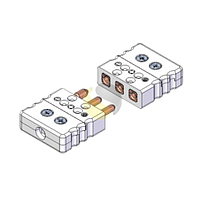
Connector for temperature sensor
Reliable temperature measurement depends on more than the sensor element alone. In many industrial and test environments, the connector is the part that makes installation practical, keeps signal paths organized, and helps technicians change probes or extension leads without rewiring the entire system. For thermocouples, RTDs, and related temperature sensing assemblies, the right interface can make routine maintenance faster and reduce avoidable connection errors.
Connector for temperature sensor products are used wherever temperature signals need to be terminated, extended, grouped, or routed in a clean and serviceable way. This category typically supports laboratory measurement, process equipment, machine building, OEM integration, and thermal monitoring systems where dependable electrical contact and clear sensor identification matter.
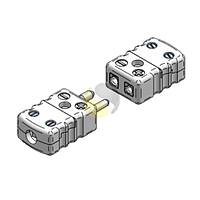
Where temperature sensor connectors fit in a measurement system
A temperature sensing chain often includes the sensing element, extension or compensation cable, connectors, terminal hardware, and the measuring instrument or controller. Connectors sit at the transition points in that chain, allowing sensors to be installed, replaced, or reconfigured with less downtime. In practice, they are especially important when multiple probes are used across machines, test stations, ovens, process lines, or data acquisition setups.
For thermocouple systems, connector selection is closely tied to thermocouple type, polarity, and wiring format. A miniature female connector such as the OMEGA SMPW-K-F, for example, is designed for K-type thermocouple connections and is useful when compact, color-coded, field-friendly terminations are required. In broader temperature measurement setups, connectors may also support integration alongside industrial temperature sensors used in process and equipment monitoring.
Common connector needs in industrial and laboratory use
Different applications place different demands on the connector interface. Some users need fast sensor changeover during testing, while others need durable connections that remain stable in production areas exposed to vibration, cleaning routines, or frequent cable handling. Connector choice is often driven by a combination of mechanical format, sensor type, and the need for reliable signal continuity.
In thermocouple installations, clear type identification is critical because mismatched connector materials or coding can lead to measurement errors. Kits such as the FLUKE 700TC1 Thermocouple Plug Kit are useful in maintenance and calibration environments where multiple thermocouple types may be encountered. Rather than treating all connectors as interchangeable, it is better to match the connector family to the sensor technology and the expected service conditions.
Key selection factors before you buy
The first consideration is sensor compatibility. Thermocouple connectors need to match the thermocouple type being used, such as K, J, T, or others, because the contact materials and identification scheme are part of maintaining signal integrity. If your application specifically uses Type K assemblies, it can also help to review related options in K-type temperature sensor solutions to ensure the connector and sensor are aligned.
The second factor is installation style. Some projects require miniature connectors for compact instruments, while others call for panel mounting, terminal-based wiring, or multi-sensor entry points. The operating environment also matters: temperature exposure, handling frequency, sanitation requirements, and enclosure design can all affect which connector format is appropriate.
A third point is maintainability. In production and service work, technicians benefit from connectors that are easy to identify, easy to terminate correctly, and easy to replace. This is particularly relevant in systems with many measurement channels, where organized connection points reduce troubleshooting time and help preserve consistent readings.
Examples of products in this category
This category includes both straightforward connector components and supporting hardware used in more complex thermal measurement systems. The OMEGA SMPW-K-F is a good example of a compact thermocouple connector intended for K-type applications, with a miniature female format that suits portable instruments, test leads, and modular measurement setups.
For users handling several thermocouple types in calibration or field service, the FLUKE 700TC1 kit provides a practical set of mini-plug connectors across multiple thermocouple standards. At the system level, the Thermal Detection TCEG thermocouple entry gland addresses a different need altogether: routing and organizing a larger number of thermocouple connections through a hygienic or process-oriented installation point rather than serving as a simple point-to-point plug.
Some listed items from Amphenol and TE Connectivity are thermopile or temperature-related components that reflect the wider ecosystem around thermal sensing. While these are not interchangeable with standard thermocouple connectors, they show how connection and packaging considerations remain important across different temperature and infrared sensing technologies.
Connector types and system architecture considerations
In real projects, connector decisions are rarely isolated from the rest of the measurement architecture. A bench test setup may prioritize quick swaps and compact plug formats, while an industrial panel may require structured terminations and grouped access points. Multi-channel systems, in particular, benefit from connection hardware that simplifies routing, labeling, and future expansion.
It is also important to distinguish between connectors used directly on sensors and accessories used to support sensor wiring. Entry glands, plugs, sockets, and mating connector pairs play different roles. Choosing the correct interface helps avoid unnecessary adapters, preserves signal quality, and keeps the installation easier to service over time.
How to match the connector to the sensing technology
Thermocouple connectors are selected differently from connectors used with other temperature sensor technologies. Thermocouples require attention to alloy compatibility, polarity, and standardized identification, while resistance-based sensors may be more influenced by lead configuration and termination method. If your application includes PCB-level or compact electronic sensing, related categories such as board mount temperature sensors can provide useful context for how connection requirements change at the device level.
For applications outside thermocouples, such as negative temperature coefficient sensing, the connector and wiring approach may differ significantly depending on response requirements, packaging, and circuit integration. In those cases, it may be worth comparing with NTC-type temperature sensor options or other sensor families before finalizing the interface strategy.
Why connector quality matters for stable measurements
Even when the sensor itself is correctly specified, poor connection practice can undermine the overall result. Loose contacts, wrong polarity, unsuitable mating parts, or inconsistent thermocouple type matching can introduce noise, unstable readings, or maintenance confusion. In critical monitoring tasks, these issues can create unnecessary troubleshooting work and reduce confidence in the measurement data.
Signal continuity, clear labeling, and practical installation design are therefore as important as the nominal sensor specification. A well-chosen connector helps technicians maintain consistency from commissioning through routine servicing. This is especially valuable in environments where probes are frequently replaced, test setups are reconfigured, or multiple temperature points need to be managed at once.
Choosing with confidence
When comparing products in this category, focus on the actual role the connector must play in your system: direct thermocouple termination, mixed-type service work, multi-channel cable entry, or integration within a broader thermal sensing assembly. Paying attention to thermocouple type, mounting style, service conditions, and maintenance workflow will usually narrow the options quickly.
This category brings together practical connection solutions for temperature measurement systems, from compact thermocouple connectors to supporting hardware for more complex installations. If your goal is dependable thermal data and easier field service, selecting the right connector is a small decision that can have a meaningful impact on the performance and usability of the whole sensing setup.
Get exclusive volume discounts, bulk pricing updates, and new product alerts delivered directly to your inbox.
By subscribing, you agree to our Terms of Service and Privacy Policy.
Direct access to our certified experts