Thermal Camera for Fire Service
Fast thermal visibility can make a practical difference when crews enter smoke-filled spaces, track heat behind walls, or assess changing fire conditions. A Thermal Camera for Fire Service is designed to support that decision-making by turning infrared energy into a clear image that helps firefighters locate hot spots, identify hazards, and maintain situational awareness when normal vision is limited.
On this category page, you can explore firefighting thermal cameras built for demanding field use, along with examples from FLIR. The range also helps buyers compare compact entry-level units, higher-resolution handheld models, and fixed-mount thermal solutions used in monitoring and industrial safety environments.
Why thermal imaging matters in fireground operations
In fire service work, visibility is often reduced by smoke, darkness, steam, and rapidly changing temperatures. Thermal imaging helps teams interpret the scene faster by highlighting temperature differences across doors, walls, ceilings, equipment, and structural elements.
This makes the camera useful for common tasks such as searching for heat sources, checking for hidden fire spread, identifying overheated areas, and supporting overhaul operations. It can also help crews make more informed decisions during size-up, interior navigation, and post-fire inspection without relying only on visual cues.
Built for rugged emergency environments
Firefighting thermal cameras are not the same as general-purpose inspection tools. They are typically built around a rugged housing, sealed construction, and controls that are easier to manage in harsh environments where heat, moisture, impact, and fast handling all matter.
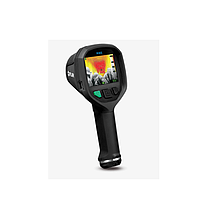
Among the products shown in this category, models such as the FLIR K2, FLIR K33, FLIR K65, FLIR K75, and FLIR K85 illustrate different performance levels while keeping a field-ready design approach. Across these examples, you can see practical characteristics such as IP67 protection, startup times suited to emergency response, battery-powered operation, and temperature ranges that support firefighting use rather than routine maintenance inspection alone.
Different performance levels for different operational needs
Not every department needs the same thermal image quality or feature set. Some teams prioritize a straightforward handheld unit for rapid deployment and basic hotspot detection, while others need higher thermal resolution, more image modes, onboard storage, or wireless connectivity for documentation and review.
For example, the FLIR K2 represents a simpler entry point with lower resolution, while the FLIR K33 steps up image detail and sensitivity. Higher-tier options such as the FLIR K75 and FLIR K85 provide stronger imaging performance, with the K85 standing out in this list for its 640 × 480 thermal resolution. In practice, that difference can support clearer interpretation of scene details, especially when users need better target definition or more confident heat pattern assessment.
If your application extends beyond emergency response into facility inspection or maintenance, it may also be useful to compare firefighting devices with a handheld thermal imaging camera intended for broader industrial work.
Key selection factors when choosing a thermal camera for fire service
Choosing the right model usually starts with the operational scenario rather than the spec sheet alone. Buyers should consider whether the camera will be used mainly for frontline suppression, search and rescue support, overhaul, training, or a combination of roles.
Important points to compare include:
- Thermal resolution for image detail and scene interpretation
- Temperature range appropriate for firefighting conditions
- Refresh rate and startup time for responsive real-time use
- Durability including ingress protection and drop resistance
- Image modes that help emphasize high heat or search conditions
- Battery runtime and charging workflow for shift readiness
- Data handling such as image storage, video recording, USB transfer, Wi-Fi, or Bluetooth where required
It is also worth considering ergonomics, especially when the camera may be used with gloves, in motion, or under time pressure. A reliable thermal image is essential, but so is a form factor that supports quick interpretation and safe handling in the field.
Examples from the FLIR K-Series
The K-Series products featured here give a useful view of how firefighting cameras scale from basic to advanced. The FLIR K2 and K33 focus on core thermal imaging capability for fireground use, while the FLIR K65 adds a more advanced handheld platform with stronger thermal sensitivity and a broad firefighting-oriented feature set.
The FLIR K75 and FLIR K85 push further in image performance and connectivity, supporting users who want higher resolution, video recording, and wireless communication. For departments balancing budget, training needs, and operational complexity, this progression can make selection easier: start with the level of scene detail and workflow support your crew actually needs, then match it to the appropriate model tier.
When fixed thermal cameras become relevant
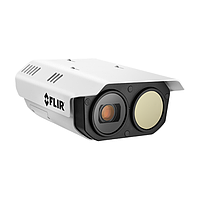
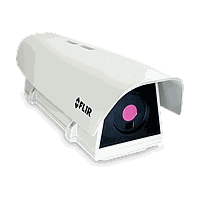
Although this category focuses on fire service cameras, some organizations also need continuous thermal monitoring in infrastructure, industrial, or high-risk asset environments. In those cases, fixed thermal imaging can complement portable firefighting equipment by providing unattended temperature observation and alarm-based monitoring.
Products such as the FLIR A500f and FLIR A700f in the broader product set show how thermal technology is also used in mounted installations, with network communication, alarm outputs, and integration options for remote monitoring. If that use case is relevant, you can review dedicated fixed thermal imaging camera solutions for permanent installation.
Accessories, support ecosystem, and long-term usability
In B2B purchasing, the camera body is only part of the decision. Charging accessories, mounting options, replacement batteries, straps, and compatible lenses or protective components can affect how practical the solution is over time, especially for teams that need dependable readiness across multiple shifts or vehicles.
That is why it often helps to look at the wider ecosystem around the camera, not just the headline imaging performance. Where needed, you can also explore thermal camera lenses and accessories to support maintenance, deployment, or system expansion.
Choosing with application in mind
A thermal camera for firefighting should fit the way your team actually works. For some buyers, that means a compact and rugged handheld unit for routine frontline deployment. For others, it means stepping up to higher resolution, more advanced image handling, or integrating thermal monitoring into a larger safety strategy.
This category brings together practical firefighting-focused options from FLIR so you can compare devices by operational need, not just by model name. If you are narrowing down between entry-level response tools and higher-spec imaging platforms, reviewing resolution, durability, temperature range, and workflow features side by side is usually the most effective way to make the right choice.
Get exclusive volume discounts, bulk pricing updates, and new product alerts delivered directly to your inbox.
By subscribing, you agree to our Terms of Service and Privacy Policy.
Direct access to our certified experts