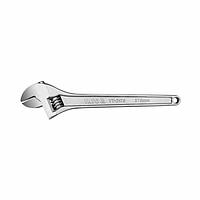
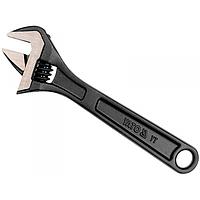
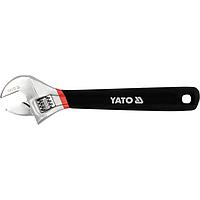
Adjustable Wrenches
When fastener sizes vary from one job to the next, a fixed-size spanner can slow the work down. That is why adjustable wrenches remain a practical choice in maintenance workshops, installation teams, plumbing tasks, and general industrial service. With a movable jaw and a broad working range, they help technicians handle different nut and bolt sizes without carrying an excessive number of individual tools.
In industrial and B2B environments, the right wrench is not only about convenience. It also affects access, torque control, operator safety, and long-term durability. This category brings together adjustable wrenches and related wrench types used for general assembly and pipe work, making it easier to compare tools for everyday maintenance as well as heavier-duty applications.
Where adjustable wrenches fit in daily industrial work
An adjustable wrench is commonly used when the exact fastener size changes between tasks or when a service technician needs a versatile hand tool for field work. It is especially useful in plant maintenance, equipment installation, utility servicing, and mechanical assembly where quick adjustment can save time.
Compared with dedicated wrench sizes, an adjustable design offers more flexibility, though tool selection still matters. For repetitive fastening jobs, a socket wrench set may be more efficient, while adjustable models are often preferred for troubleshooting, occasional tightening, and mixed-service work.
Main product types in this category
Although the category centers on adjustable wrenches, users often look for different jaw styles depending on the application. The most common option is the classic adjustable wrench for hex fasteners, but pipe wrenches and flare nut tools are also relevant when the job involves round stock, threaded pipe, or tube fittings.
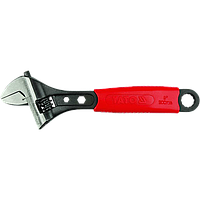
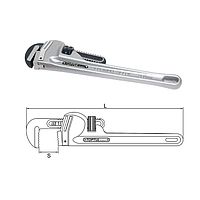
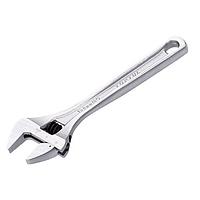
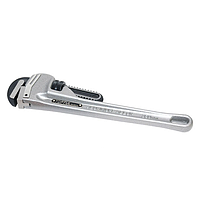
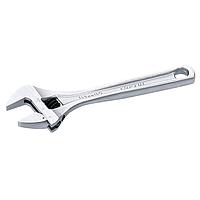
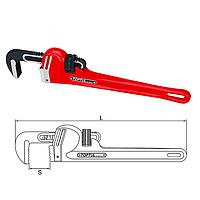
For example, the STANLEY 87-371 450 mm Adjustable wrench and STANLEY STMT87431-8 Adjustable Wrench represent general-purpose adjustable tools in different size ranges. For more specialized work, products such as the TOPTUL DDAC1A14 Aluminum Alloy Pipe Wrench or the KTC PWA-900 Pipe Wrench are better suited to gripping pipe surfaces where a standard smooth-jaw wrench would not be effective.
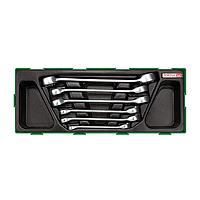
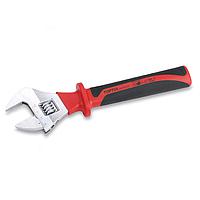
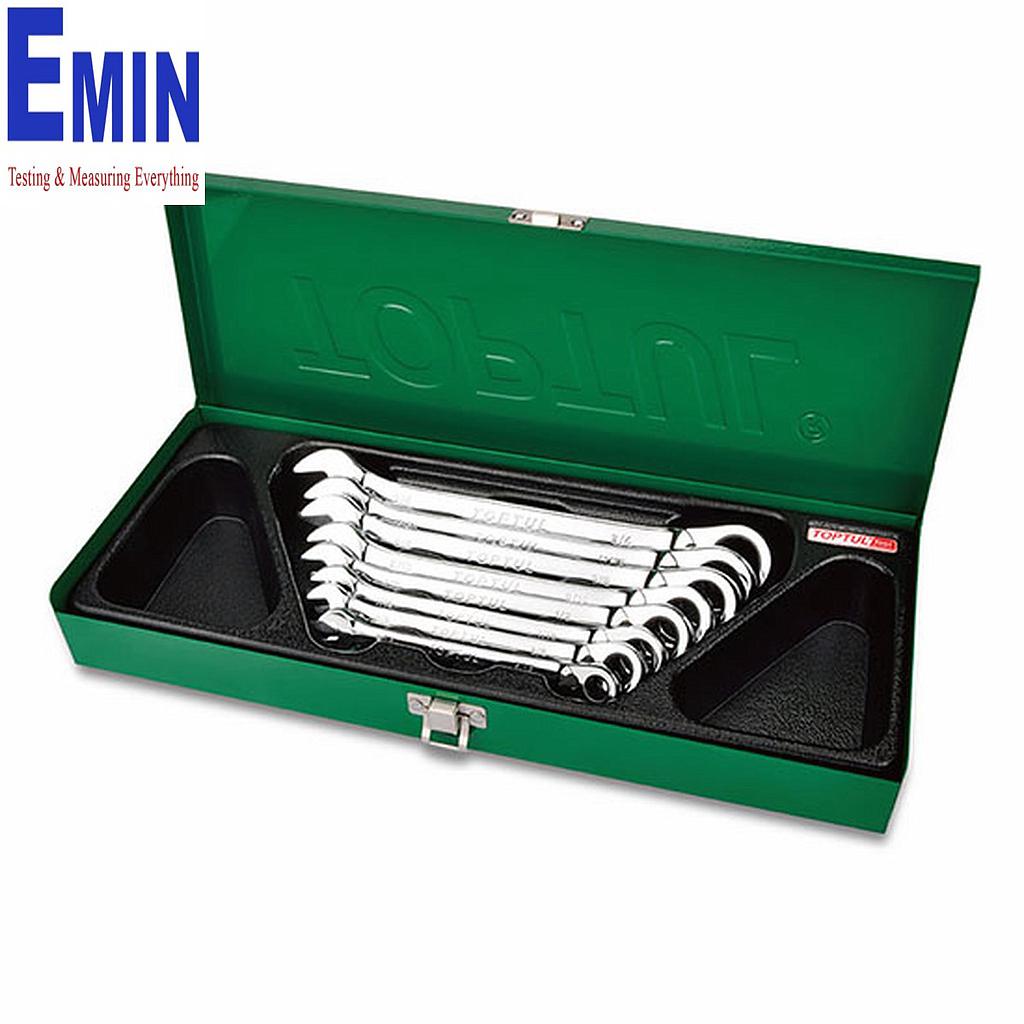
There are also application-specific options such as the TOPTUL AMAD3325 VDE Insulated Adjustable Wrench, which is intended for work environments where insulated hand tools may be required, and the TOPTUL GTA0611 Flare Nut Wrench Set for tubing connections that need more contact around the fitting.
How to choose the right wrench for the job
A good starting point is the jaw opening range and overall tool length. Smaller models are easier to carry and work well in tight spaces, while longer tools generally provide more leverage for larger fasteners. A compact 150 mm model such as the TOPTUL AMAC2015 Adjustable Wrench suits lighter service work, while a larger option like the TOPTUL AMAB7060 Heavy Duty Adjustable Wrench is more appropriate for demanding mechanical tasks.
Material and construction also matter. Hardened alloy steel jaws can improve durability in frequent use, and aluminum alloy pipe wrenches can reduce operator fatigue where larger tools are needed. In pipe applications, users should also consider the maximum gripping capacity rather than only the overall wrench length.
Another factor is the working environment. If the task involves electrical maintenance, an insulated wrench may be a better fit. If the work is mainly plumbing or pipe installation, a pipe wrench with the correct jaw geometry will typically perform better than a standard adjustable wrench.
Examples from leading brands in this range
This category includes products associated with recognized hand tool manufacturers such as STANLEY, TOPTUL, and KTC. These brands are often selected by maintenance teams and industrial buyers looking for dependable hand tools across different service conditions.
Within the featured products, STANLEY offers adjustable wrench options such as the 87-371 and 87-371-1-S in the 450 mm class, as well as the more compact STMT87431-8. TOPTUL appears across several use cases, from standard adjustable models to heavy-duty versions, insulated tools, and pipe wrench designs. KTC adds another point of reference for larger pipe work through the PWA-900 model.
For buyers comparing tool ecosystems rather than one-off purchases, it can also be useful to explore complementary hand tool ranges from brands such as SATA, KINGTONY, Proskit, YATO, Endura, Engineer, and LICOTA where relevant to broader workshop standardization.
Applications beyond standard fasteners
One of the advantages of this category is that it supports more than routine nut-and-bolt tightening. In facility maintenance and MRO work, technicians may need to move between mechanical fastening, pipe connection service, and general repair tasks during the same shift. That makes a mixed wrench selection more practical than relying on a single tool type.
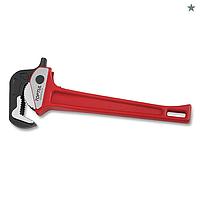
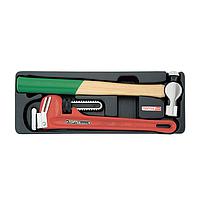
Pipe wrench products such as the TOPTUL DDAH1A14 Hawk Pipe Wrench or the TOPTUL DDAC1A36 Aluminum Alloy Pipe Wrench are useful when handling threaded pipe and larger round sections. Meanwhile, flare nut tools are better suited to hydraulic, pneumatic, or tubing applications where preserving the fitting shape is important. In broader bench or field repair work, these tools are often used alongside a hex wrench set and basic striking tools such as a hammer.
Selection tips for B2B purchasing teams
For procurement and maintenance planners, choosing adjustable wrenches should be based on task frequency, service conditions, and user profile. A workshop may need a few heavy-duty models for plant maintenance, a larger quantity of compact adjustable wrenches for general technicians, and selected specialty tools for electrical or piping teams.
It is also worth thinking in terms of tool standardization. Matching wrench sizes and types to the equipment commonly serviced on site can reduce downtime and simplify tool control. If teams regularly perform mixed repair work, it may be more efficient to build out a broader maintenance package that also includes a repair kit and other assembly tools.
Why category-level comparison matters
On a category page, buyers can compare tool formats, size classes, and intended applications more effectively than by looking at a single product in isolation. This is especially useful when deciding between a compact adjustable wrench, a long-handle heavy-duty version, or a pipe wrench for larger gripping requirements.
Instead of focusing only on brand or price, it helps to evaluate how the wrench will actually be used: access space, fastener range, expected force, and operator safety. That approach leads to a more suitable tool selection and often a longer service life in industrial environments.
Find the right adjustable wrench for your maintenance setup
A well-chosen wrench range supports faster service work, reduces the need to carry excessive tool inventory, and helps technicians respond to varied tasks with confidence. From compact adjustable models to heavy-duty and pipe-specific options, this category is designed to support real maintenance and assembly requirements rather than one-size-fits-all selection.
If you are comparing tools for workshop use, field service, or industrial maintenance, start with the working range, handle length, and application type. That makes it easier to narrow down whether a standard adjustable wrench, an insulated version, or a pipe wrench is the better fit for your operation.
Get exclusive volume discounts, bulk pricing updates, and new product alerts delivered directly to your inbox.
By subscribing, you agree to our Terms of Service and Privacy Policy.
Direct access to our certified experts