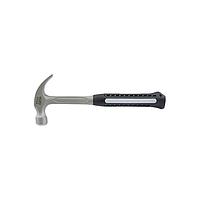
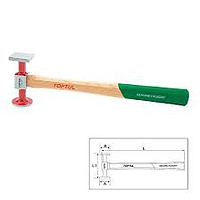
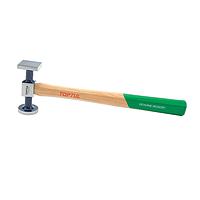
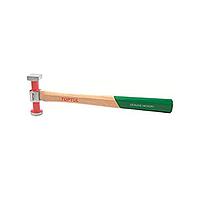
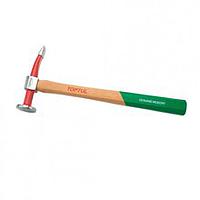
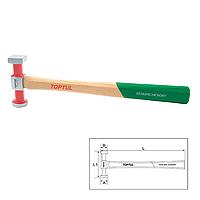
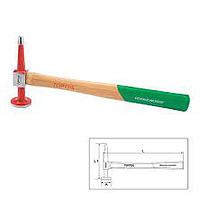
Hammer
Striking tools are still essential in maintenance, fabrication, fitting, and general workshop work, but choosing the right one depends on more than just size. Head shape, face material, handle design, and intended use all affect control, impact transfer, and the risk of damaging the workpiece. On this page, the Hammer category brings together practical options for mechanical service, assembly tasks, and everyday industrial use.
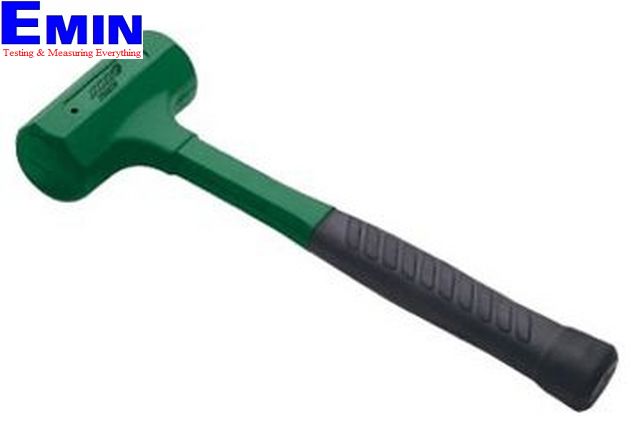
Built for workshop, maintenance, and assembly applications
In industrial environments, hammers are used for far more than simple striking. They support metal fitting, pin and punch work, alignment, light demolition, fastening adjustment, and controlled impact during repair operations. That is why this category covers more than one hammer style, giving buyers a clearer path based on the actual task.
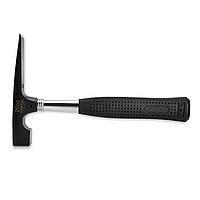
You may find engineer hammers for bench work, claw hammers for general-purpose use, rubber mallets for non-marring impact, and selected sets that combine hammers with chisels or punches. For teams building out a broader tool cabinet, it can also be useful to review related hand tools such as socket wrench sets for mechanical assembly and service work.
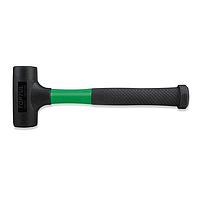
Common hammer types in this category
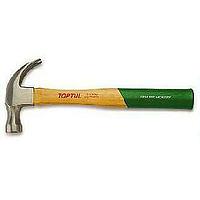
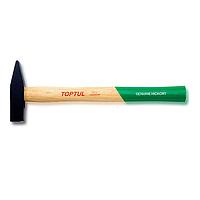
A standard engineer hammer is often preferred when solid, direct force is needed for metalwork, punch driving, and general repair. Examples in this range include the TOPTUL HAAA0532 hickory engineer hammer 500g and the TOPTUL HAAA1036 hickory engineer hammer 1000g, both suited to routine workshop tasks where balance and repeatable impact matter.
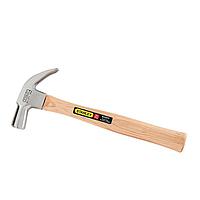
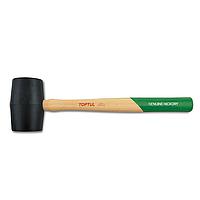
For applications that require a different striking profile, a ball peen style can be more appropriate. The STANLEY 54-191 ball pain hammer wooden handle is one representative option for users who need a traditional workshop format. Where surface protection is more important than raw striking force, a rubber mallet such as the YATO YT-4605 can help reduce marking on finished parts, housings, or assembled components.
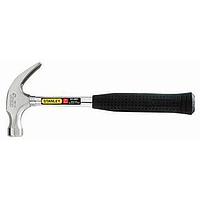
There are also purpose-oriented variants such as the YATO YT-4571 claw hammer with plastic handle, which fits more general fastening and site-related jobs, and tool sets that combine hammers with chisels or punches for maintenance benches and service teams.
How to choose the right hammer for the job
The first selection point is usually head weight. Lighter models are easier to control for repetitive work, delicate positioning, or confined spaces, while heavier heads are more efficient when breaking free stuck parts or delivering stronger impact in fewer strikes. A 300g to 500g engineer hammer is often a practical starting point for general maintenance, while larger formats may be better for tougher fitting work.
The second factor is face material and hammer type. Steel-faced hammers are common for punches, chisels, and metalworking. Rubber or soft-face types are better where the user wants to avoid dents, chips, or surface damage. If your workflow regularly includes finishing, alignment, or light corrective tapping, looking beyond a standard steel hammer can improve both results and part protection.
Handle material also matters in day-to-day use. Hickory handles remain popular for their familiar feel and vibration characteristics, while plastic or synthetic handles may be chosen for durability and easier maintenance in busy workshop conditions. Buyers who are equipping technicians across multiple tasks may also want to compare complete repair kits when a hammer is only one part of the required tool package.
Hammer sets for service and maintenance teams
For many B2B buyers, a single hammer is not always the most efficient purchasing option. Combination sets can simplify tool standardization, especially for maintenance departments, automotive service, and industrial workshops where technicians frequently switch between striking, chiseling, and punch operations.
Examples in this category include the TOPTUL GTA0428 hammer and soft grip chisel set, the TOPTUL GTA0427 hammer and soft grip chisel set, and the TOPTUL GVA0807 hammer, punch and chisel set. These sets are relevant when the application involves removing pins, loosening seized parts, shaping material, or performing repair work that needs a matched tool set rather than a single striking tool.
There are also more specialized combinations such as the TOPTUL GTA0230 pipe wrench and ball peen hammer set, as well as the TOPTUL JGAI0101 diesel injector puller tool set, which incorporates a slide hammer assembly within a more specific service workflow. In cases like these, the hammer function is part of a wider maintenance process instead of a standalone hand tool.
Brands commonly selected in this range
This category includes products and brand references familiar to professional users in industrial and workshop settings. Among the names frequently considered are TOPTUL, STANLEY, and YATO, each associated with practical hand tools for maintenance and assembly environments.
Brand selection typically depends on internal standards, expected duty cycle, and the type of work being performed. Some buyers prioritize consistency across technician toolkits, while others focus on choosing the right hammer type for a specific maintenance task. In either case, the more useful approach is to compare application fit, handle style, and set composition rather than relying on brand name alone.
Where these tools fit in a broader hand tool workflow
Hammers are rarely used in isolation. In mechanical assembly and repair, they often work alongside punches, chisels, pipe wrenches, hex keys, and fastening tools. A technician driving out a pin, adjusting a fitted component, or freeing a corroded part will usually need a supporting tool set to complete the job safely and efficiently.
That is why procurement often benefits from viewing this category as part of a wider hand tool system. If your team is organizing benches or mobile service kits, related products such as hex wrench sets can complement hammer-based tasks in maintenance and mechanical assembly. This broader view helps reduce missing-tool situations during routine work.
Practical buying considerations for B2B procurement
When selecting hammers for business use, it helps to define the working context first: bench repair, field maintenance, metal fitting, automotive service, or general facility work. From there, buyers can narrow options by strike force, handle preference, and whether they need an individual tool or a set that supports recurring service procedures.
It is also useful to think about frequency of use and user profile. A shared workshop tool may need a different balance of durability and versatility than a technician-specific kit. Categories like this one are most effective when used to compare purpose, not just dimensions, so the final selection aligns with actual workflow and reduces unnecessary overlap in the tool inventory.
Choosing with confidence
A well-chosen hammer improves control, efficiency, and workpiece safety across a wide range of industrial and maintenance tasks. Whether you need a compact engineer hammer, a rubber mallet for non-marring impact, a claw hammer for general use, or a multi-piece service set, the key is matching the tool to the application rather than choosing by size alone.
Use this category to compare practical hammer options, review representative models, and identify the best fit for your workshop, service team, or assembly environment. A more deliberate choice at this stage usually leads to better tool consistency and smoother day-to-day operations.
Get exclusive volume discounts, bulk pricing updates, and new product alerts delivered directly to your inbox.
By subscribing, you agree to our Terms of Service and Privacy Policy.
Direct access to our certified experts