Knife
Clean, controlled cutting is a basic requirement in assembly, maintenance, packaging, and workshop tasks. Whether the job involves trimming insulation, opening cartons, cutting soft materials, or making more precise detail cuts, choosing the right knife improves both efficiency and handling safety in daily work.
This category brings together practical cutting tools used across industrial and technical environments. The range includes utility knives, snap-off knives, precision knives, replacement blades, and selected cutting tools for specific materials, helping buyers match the tool to the task instead of relying on a one-size-fits-all option.
Where knives fit in assembly and maintenance workflows
In B2B and technical supply environments, knives are rarely standalone purchases. They are part of a broader toolkit used for installation, repair, cable preparation, light fabrication, packaging work, and general bench operations. A well-selected cutting tool helps reduce waste, supports cleaner finishing, and gives operators better control over repetitive tasks.
For many teams, the need can range from general-purpose utility knives for warehouse and field work to more delicate tools for electronics, model work, or detailed trimming. In the same workflow, buyers may also source related hand tools such as hex wrench sets or a complete repair kit to support broader maintenance requirements.
Common types of knives in this category
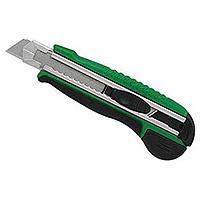
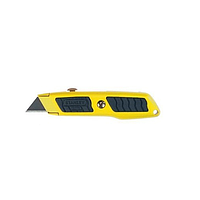
The category typically serves several cutting needs. Utility knives are suited to everyday tasks such as opening packages, trimming sheet material, or cutting light industrial consumables. Models like the Proskit PD-523 Utility Knife Set and STANLEY 10-779 Dynagrip Retractable Utility Knife reflect this practical, multi-purpose segment.
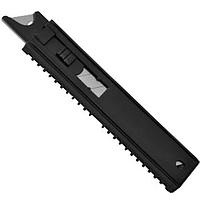
Snap-off knives are useful where users need a continuously sharp edge with fast blade renewal. The STANLEY 10-425 SNAP-OFF KNIFE is a good example of this format, especially in jobs involving repeated straight cuts. For finer work, compact tools such as the Proskit PD-394A Precision Knife and Proskit 8PK-394A Precision Knife are more appropriate when accuracy matters more than cutting force.
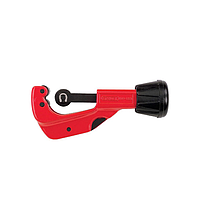
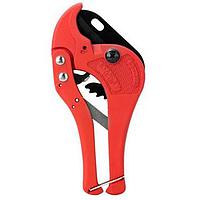
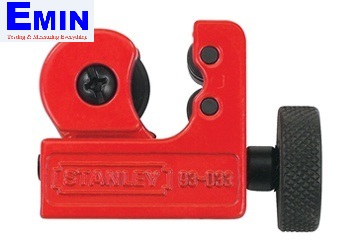
Some products also support more specific applications. The Pro'skit PD-994 cutting knife is designed with a different blade profile for slitting-type tasks, while the STANLEY 93-021 Pipe Cutter belongs to a more material-specific cutting approach. This makes the category useful not only for general workshop users but also for buyers looking for more targeted cutting functions.
How to choose the right knife for the job
The first consideration is the material being cut. Cardboard, plastic film, foam, insulation, soft sheet material, tubing, and fine craft materials all respond differently to blade shape and tool geometry. A general utility knife may be enough for packaging and warehouse work, but detailed trimming or repeated precision cuts often call for a smaller precision handle and a finer blade.
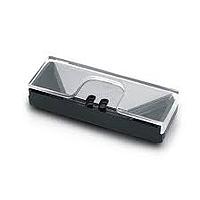
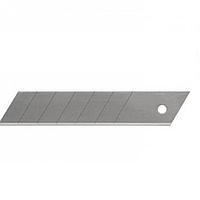
Next, think about cutting frequency and blade replacement. In high-use environments, tools compatible with replacement blades can be more practical than disposable solutions. Products such as the Proskit 5PD-394A-B Replacement Blade and STANLEY 11-325 Super Heavy-Duty Quick-Point Blades help extend tool life and keep cutting performance consistent without replacing the entire knife.
Handle design also matters in professional use. Grip materials, body shape, and overall size affect control, especially during repetitive tasks. Buyers comparing brands like STANLEY and Proskit often look not only at blade style, but also at ergonomics, replacement blade availability, and suitability for bench work versus mobile field use.
Examples of products available in this range
Several products in this category illustrate the different buying needs found in technical commerce. The Proskit PD-523 Utility Knife Set is suitable for users who want a practical cutting set with multiple pieces for general workshop use. The STANLEY 10-151 18mm Quick Point Knife and STANLEY 10-425 SNAP-OFF KNIFE fit routine industrial cutting where quick blade presentation and straightforward handling are important.
For detail-oriented tasks, the Proskit PD-394A Precision Knife and Proskit 8PK-394A Precision Knife are better aligned with light-duty, accurate trimming. Where blade replenishment is part of the purchasing plan, matching consumables such as Proskit 5PD-394A-B Replacement Blade or STANLEY 11-325 blades become an important part of the category ecosystem rather than just accessories.
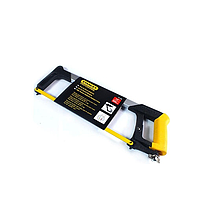
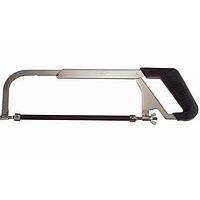
The range also includes adjacent cutting tools, such as the STANLEY 93-021 Pipe Cutter and STANLEY 15-265 Rubber Grip Hacksaw. While these are not interchangeable with utility knives, they help buyers source cutting solutions for different materials and shop-floor tasks from one place.
Brand landscape and purchasing considerations
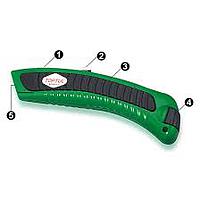
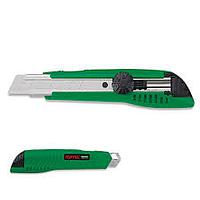
This category features products associated with widely recognized industrial tool brands. TOPTUL is represented by models such as the SCAD1817 utility knife, while STANLEY and Proskit appear prominently in both standard knives and replacement blade options. For buyers, this mix can be useful when standardizing tools by application, user group, or budget tier.
Top manufacturer coverage in the broader tool ecosystem also includes BOSCH, Ridgid, SATA, YATO, and others. Even when a specific brand is selected for knives, procurement teams often compare compatibility, stock continuity, and ease of replenishment across brands before finalizing repeat purchases.
Why replacement blades and tool compatibility matter
In professional environments, the total cost of use is not defined only by the handle. Blade availability, change-out convenience, and compatibility with existing tools can have a direct effect on maintenance efficiency and downtime. That is why replacement blade references should be checked together with the knife itself, especially for operations with frequent cutting cycles.
A category that includes both handles and matching blades supports more practical sourcing. It allows users to maintain consistent cutting quality while reducing unnecessary tool replacement. This is particularly helpful for maintenance departments, technical service teams, and production support functions that need predictable consumable planning.
Building a more complete assembly tool setup
Knives are often purchased alongside other manual tools used in fitting, adjustment, and repair. Depending on the application, buyers may combine this category with socket wrench sets for mechanical work or browse other assembly tools when building out a more complete toolkit for technicians and workshop staff.
Taking this broader view helps ensure that cutting tools are selected in context. A utility knife for packaging, a precision knife for finishing work, and a material-specific cutter for tubing or similar tasks can all play different roles in the same operation.
Final thoughts
A reliable selection of cutting tools supports cleaner work, faster handling, and better day-to-day usability across many industrial tasks. From general utility knives to precision models and replacement blades, this category is suited to buyers who need practical options for routine assembly, maintenance, and workshop applications.
When choosing a knife, focus on the material, cutting frequency, blade format, and replacement strategy. That approach makes it easier to select tools that fit the actual job and integrate well with the rest of your assembly tool inventory.
Get exclusive volume discounts, bulk pricing updates, and new product alerts delivered directly to your inbox.
By subscribing, you agree to our Terms of Service and Privacy Policy.
Direct access to our certified experts