Saws
Clean cutting in maintenance, fabrication, installation, and general workshop tasks often depends on choosing the right hand saw for the material and the working space. This category brings together saws used in practical B2B environments, from crosscut work on wood to hacksaw applications for metal and general-purpose cutting jobs where control, portability, and blade selection matter.
Whether you are equipping a maintenance team, restocking a production support area, or sourcing tools for field technicians, the right saw should match the material, cut frequency, and replacement blade availability. In many cases, a compact hand tool still offers the most efficient solution for quick adjustments, on-site fitting, and repair work.
Common saw types in this category
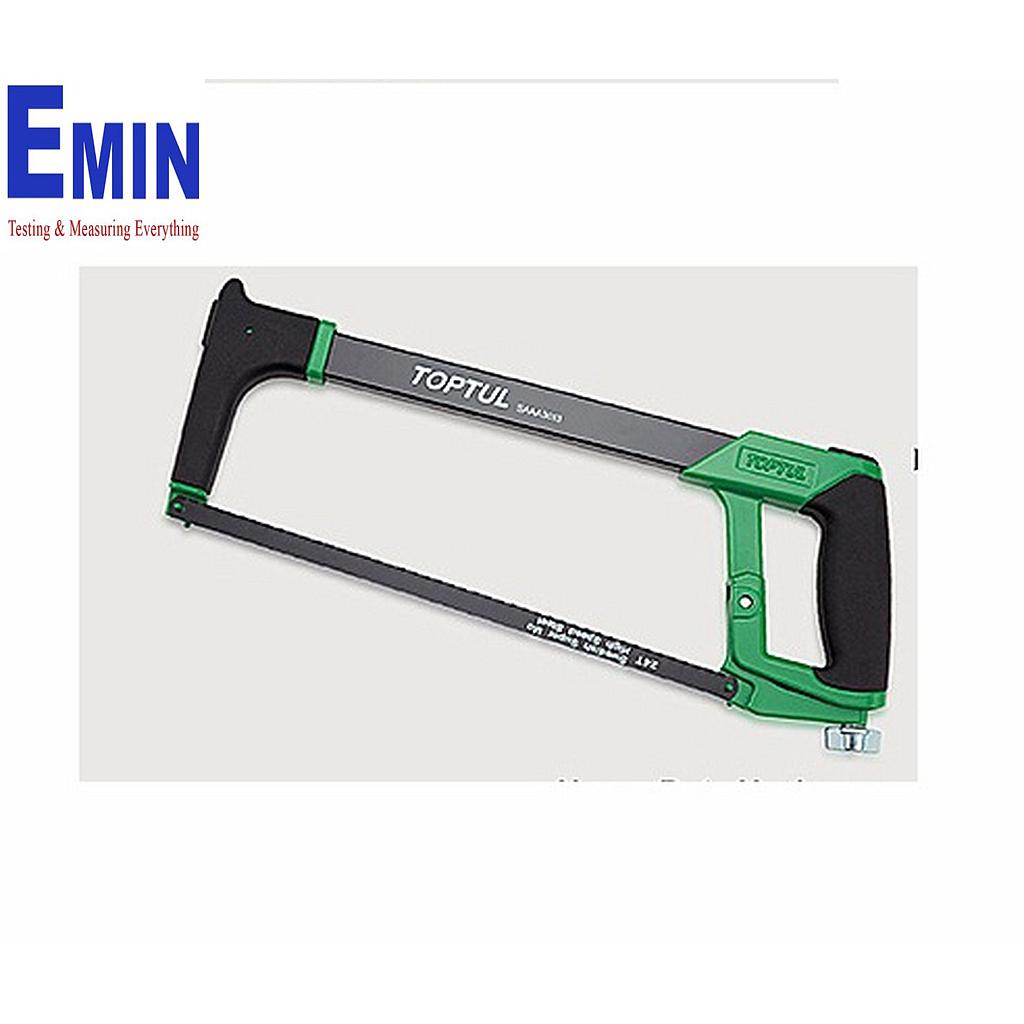
This selection typically serves several different cutting needs. Crosscut saws are commonly chosen for wood and similar materials where fast manual cutting is required, while hacksaws are better suited to metal stock, pipe, rods, and other harder materials when fitted with the correct blade.
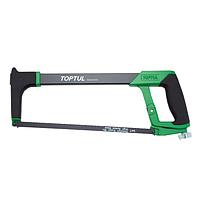
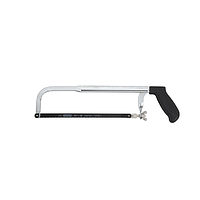
Examples in this category include the STANLEY 20-007-23 Saw Crosscut and the STANLEY 20-503-23 Crosscut Saw for general wood-cutting tasks. For metalworking and maintenance applications, products such as the STANLEY 20-297 Hacksaw, Stanley 15-113-23 Hacksaw, and STANLEY STHT20206-8 Hacksaw represent the more typical frame-and-blade format used across workshops and service teams.
Where hand saws are used in industrial and technical work
Although powered cutting tools are widely used, hand saws remain important in many professional settings. They are useful for trimming conduit, cutting small sections of bar or tube, making quick adjustments during assembly, and handling tasks in locations where power access is limited or where a lighter, more controlled tool is preferred.
In facility maintenance and toolroom environments, hacksaws often complement other manual tools such as socket wrench sets and hex wrench sets. This makes them part of a broader toolkit for installation, rework, equipment servicing, and light fabrication rather than a standalone purchase.
How to choose the right saw
A practical selection process starts with the material to be cut. Wood-cutting work generally calls for a crosscut pattern, while metals usually require a hacksaw with an appropriate blade length and tooth configuration. For buyers managing multiple use cases, it is often more efficient to standardize a few reliable formats instead of over-specifying for every individual task.
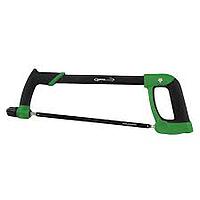
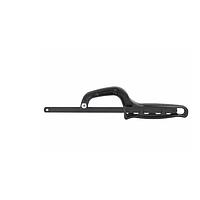
Blade size and frame design also affect usability. A model such as the STANLEY 15-565S 10-Inch Blade Adjustable Hacksaw is relevant when teams may need flexibility around blade fitment, while compact options like the TOPTUL SAAA1527 Deluxe mini hacksaw can be useful in confined spaces or for lighter-duty bench work. For repetitive cutting or frequent blade replacement, it is equally important to consider how easy the tool is to maintain and reload.
Blade selection and replacement matter as much as the frame
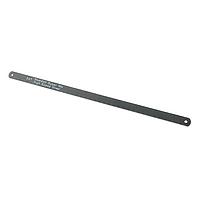
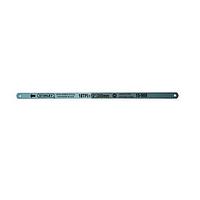
In many industrial settings, cutting performance is determined as much by the blade as by the saw body itself. Tooth count, blade material, and intended application influence cut speed, finish, and blade life. A bi-metal hacksaw blade, for example, is commonly selected when durability and resistance to breakage are important in regular metal-cutting work.
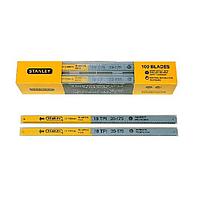
This is why blade-related items in the category are also relevant to procurement. Products such as the STANLEY STHT20298-8 100 pcs Bi-metal Hacksaw, STANLEY 20-176 100 pcs Bi-metal Hacksaw, and the Proskit 5SW-201 Replacement Saw Blade support ongoing operation by helping maintenance teams keep compatible replacement stock available. If your application involves broader cutting tool sourcing, it can also be useful to review related brands such as STANLEY or Proskit for complementary hand tool options.
Examples of saws for different working conditions
Not every task requires the same saw format. A full-size crosscut saw is more suitable when operators need longer strokes and efficient manual cutting on wood. In contrast, a standard hacksaw frame is a better fit for cutting bolts, metal strips, tubing, and similar materials encountered in assembly, maintenance, and repair operations.
There are also more specialized use cases within a general hand-saw category. The Proskit SW-201 Multi-Purpose Pruning Saw, for instance, points to situations where a curved or task-specific blade format is needed for maintenance around facilities or grounds. Meanwhile, a product like the DEWALT DWA03260 Aluminum Cutting Blade highlights how some buyers may be sourcing cutting accessories alongside manual saws for a wider workshop cutting ecosystem.
What B2B buyers should consider before ordering
For business purchasing, the decision is rarely based on one tool alone. Buyers usually need to think about standardization across teams, replacement cycle, blade availability, and whether the saw will be used occasionally or every day. Grip comfort, frame rigidity, and compatibility with common blade sizes can have a real effect on operator efficiency over time.
It is also worth looking at how saws fit into the wider hand-tool inventory. For service kits or production support areas, they are often sourced together with items such as hammers or a broader range of assembly tools. This helps purchasing teams build a more complete and practical toolkit for technicians instead of treating each item in isolation.
Choosing by brand and application focus
Several recognized manufacturers appear in this category context, but the best choice still depends on application and tool format. STANLEY is strongly represented here with multiple crosscut saw and hacksaw options, making it relevant for buyers who want consistency across common workshop cutting tasks. Proskit and TOPTUL add useful alternatives for replacement blades, compact formats, or more task-specific manual cutting needs.
For procurement teams, that means brand selection should support operational needs such as common spare parts, familiarity for technicians, and suitable coverage across wood, metal, and general maintenance cutting. A balanced category page helps users compare these options by use case rather than by product name alone.
Final considerations
Manual saws remain a practical choice for many technical environments because they offer control, mobility, and straightforward operation without depending on power equipment. From crosscut saws for wood to hacksaws and replacement blades for metalworking and repair, this category supports everyday cutting tasks that still matter in workshops, maintenance departments, and field service teams.
When selecting from this range, focus on the work material, blade type, working space, and replacement requirements. That approach will usually lead to a more reliable and cost-effective choice than selecting by model name alone.
Get exclusive volume discounts, bulk pricing updates, and new product alerts delivered directly to your inbox.
By subscribing, you agree to our Terms of Service and Privacy Policy.
Direct access to our certified experts