Bearing tools
Removing bearings, gears, rings, and other press-fit parts without damaging surrounding components usually depends as much on the tool as on the technician’s skill. In maintenance workshops, automotive service, and general industrial repair, the right extraction and separation tools help reduce downtime, avoid shaft or housing damage, and make repeat service work more consistent. This page brings together bearing tools used for controlled removal, separation, and related mechanical service tasks.
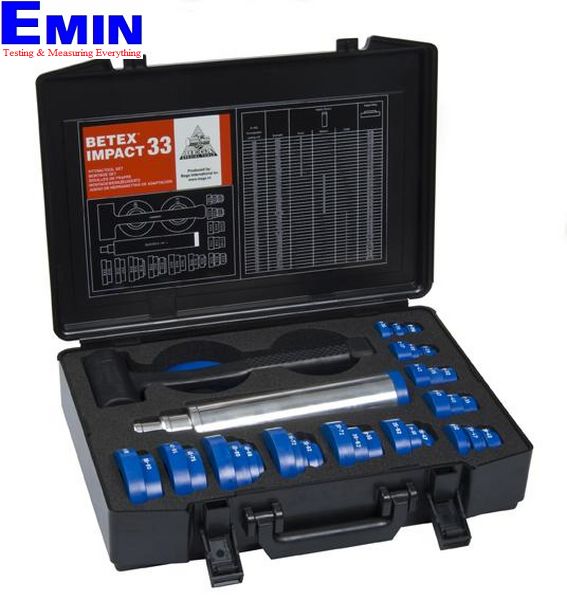
Where bearing tools fit in maintenance work
Bearings are often mounted with tight interference fits, which means they cannot be removed safely with improvised methods. A proper puller, separator, or ring removal tool applies force in a more balanced way, helping technicians work on assemblies such as rotating shafts, hubs, pulleys, and similar mechanical parts.
In practice, this category also supports jobs that involve adjacent components, not just the bearing itself. Gear pullers, bearing separators, and joint separation tools are commonly used in repair environments where disassembly must be precise and repeatable. For broader workshop requirements, many buyers also compare these products with general assembly tools or complementary power hand tool options depending on the task flow.
Common tool types in this category
A large part of bearing service work revolves around pulling and separating operations. Jaw pullers are widely used when there is enough access behind the component, while bearing separators are more suitable when grip space is limited and the tool needs to get behind a thin bearing race or tightly seated part.
Examples in this range include the TOPTUL JJAL1212 2-Jaw Gear Puller, TOPTUL JJAL0206 2-Jaw Gear Puller, and TOPTUL JEAD1115 Bearing Separator Set. Although these tools differ in size and grip range, they serve the same general purpose: applying controlled extraction force instead of relying on impact or excessive prying.
Some items found alongside bearing tools support related mechanical disassembly. For example, the TOPTUL JEAB0646, JEAB0640, and JEAB0629 Ball Joint Separator models are relevant in automotive and maintenance environments where suspension or steering components must be separated cleanly during service procedures.
Choosing the right puller or separator
The first selection point is the available grip area. If the component can be reached from the outside, a jaw puller may be practical. When there is very little clearance behind the bearing or ring, a separator set is often the better option because it can engage from a narrow contact point and distribute force more evenly.
Size also matters. The listed TOPTUL JECD0112 Universal Bearing Ring Puller covers a defined diameter range, while models such as the TOPTUL JJAL0204, JJAL0208, and JJAL0212 represent different puller sizes for different working envelopes. Matching the tool to the part diameter and the accessible working space is more important than simply choosing the largest tool available.
Another consideration is the type of component being removed. Bearings, rings, gears, and ball joints each require a different contact method. A tool that grips securely and stays aligned during tightening will generally help reduce the risk of slipping, cocking, or damaging the part and surrounding surfaces.
Examples from leading brands
This category includes tools from brands commonly specified in professional maintenance environments, including TOPTUL and STANLEY. TOPTUL appears strongly in extraction and separation applications, with products such as universal bearing ring pullers, multi-size jaw pullers, and separator sets that suit a range of workshop tasks.
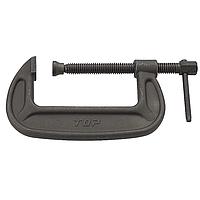
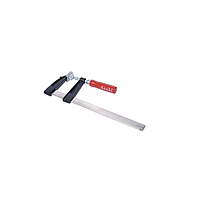
STANLEY is represented here by the 83-036K Max Steel C-Clamp. While a C-clamp is not a dedicated bearing puller, it can still play a supporting role in service and holding operations during disassembly or reassembly work. In many workshops, bearing service is not done with a single tool, but with a small ecosystem of clamps, pullers, separators, and hand tools used together.
Other manufacturers listed on the site, such as NSK, SKF, SATA, YATO, JTC, and ELORA, can also be relevant depending on the maintenance environment, procurement preference, and existing tooling standardization across the facility.
Typical applications in automotive and industrial repair
In automotive service, bearing tools are commonly used for wheel hub work, drivetrain service, gear removal, and suspension-related disassembly. Tools like the TOPTUL JGAI0601 Right & Left Hand Thread Brake Caliper Rewind Tool Kit show how this category can overlap with neighboring repair tasks where controlled mechanical force is needed to service surrounding assemblies correctly.
In industrial maintenance, these tools are useful when working on motors, pumps, gear-driven equipment, and rotating machinery. During corrective or preventive maintenance, using the proper extraction method can help preserve shafts, housings, and adjacent parts, which is especially important when replacement components have long lead times or tight fit tolerances.
For workshops that combine manual and air-assisted service methods, it may also be useful to review related pneumatic tools for other stages of mechanical maintenance, especially where speed and repeated fastening operations are part of the workflow.
What to review before ordering
Before selecting a tool, check the component size, the available clearance around the part, and whether the pulling force will be applied internally or externally. Also consider whether the job requires a dedicated separator, a 2-jaw puller, or a more general ring-pulling solution. These details directly affect tool fit and ease of use in the field.
It is also worth reviewing whether the job is occasional or routine. For frequent maintenance, a workshop may benefit from keeping multiple sizes on hand rather than relying on a single universal option. That approach can improve setup time and reduce the temptation to use an ill-fitting tool.
Where product pages provide size or range information, use that as the starting point for selection, then compare the tool style with the actual geometry of the assembly being serviced. This is usually the most reliable way to narrow down the correct option.
Support more reliable disassembly with the right tool setup
Good bearing service is about control, alignment, and selecting a tool that matches the component and workspace. Whether you need a compact jaw puller, a separator set for tight access, or supporting tools for related repair work, this category is designed to help maintenance teams choose more suitable equipment for disassembly and service tasks.
By focusing on fit, access, and application type rather than only tool size, buyers can build a more practical toolkit for workshop and plant maintenance. Browse the available models to compare puller styles, separator options, and supporting tools that fit your repair process.
Get exclusive volume discounts, bulk pricing updates, and new product alerts delivered directly to your inbox.
By subscribing, you agree to our Terms of Service and Privacy Policy.
Direct access to our certified experts