Pullers
Removing bearings, gears, pulleys, bushings, or tightly fitted components without damaging nearby parts often depends on using the right extraction tool. In maintenance workshops, automotive service, and industrial repair environments, pullers help technicians apply controlled force so parts can be removed more safely and with better repeatability than improvised methods.
This category brings together practical tools for disassembly work where grip range, jaw configuration, access space, and the type of component being removed all matter. Whether the job involves a compact automotive assembly or a larger mechanical fit, choosing the correct puller or separator can reduce downtime and help avoid damage to shafts, housings, and reusable parts.
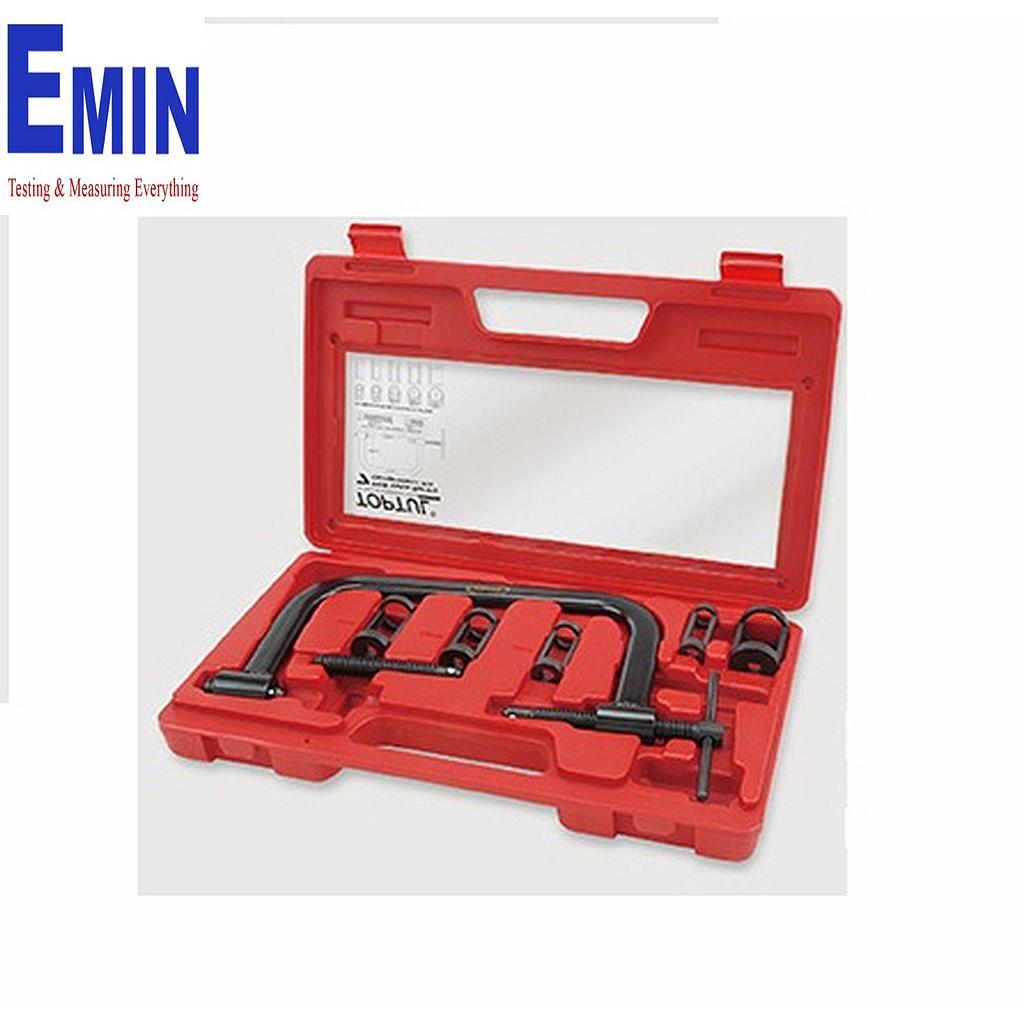
Where pullers are used in maintenance and repair
Pullers are commonly used when components are mounted with an interference fit or have become difficult to remove due to load, age, or contamination. Typical applications include bearing removal, gear extraction, pulley servicing, and disassembly of steering or suspension-related parts. In many cases, a puller provides the most practical way to apply force evenly while keeping the workpiece aligned.
For broader bearing service work, users often combine these tools with related equipment such as bearing heaters during installation or replacement processes. This makes pullers an important part of the overall maintenance workflow rather than a standalone tool used in isolation.
Common puller types in this category
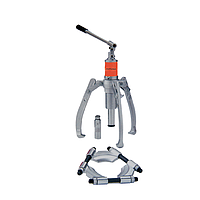
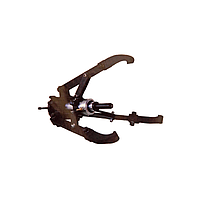
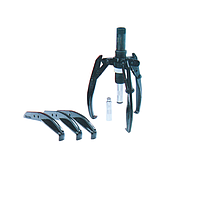
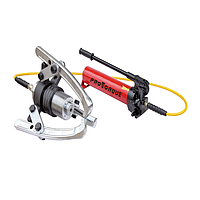
The range includes several tool formats designed for different removal tasks. Jaw pullers are widely used for gears, pulleys, and similar parts where external gripping points are available. Two-jaw designs are often useful when access is limited, while other puller styles may be preferred when more balanced gripping or a different contact geometry is needed.
For bearing-specific work, separator sets and ring pullers are especially relevant. A product such as the TOPTUL JECD0112 Universal Bearing Ring Puller is intended for applications where a bearing ring must be gripped and removed cleanly. The TOPTUL JEAD1115 Bearing Separator Set supports jobs where the component sits close to a shoulder and standard jaws may not get enough purchase.
Examples of tools available
Several representative products in this category show the range of use cases covered. The TOPTUL JJAL1212 2-Jaw Gear Puller and TOPTUL JJAL0206 2-Jaw Gear Puller are suited to common gear and pulley removal tasks where a straightforward external pulling setup is needed. Models such as TOPTUL JJAL0204, JJAL0208, and JJAL0212 illustrate how users can select a puller size according to the component diameter and available working space.
There are also specialized service tools related to part separation and disassembly. The TOPTUL JEAB0629, JEAB0640, and JEAB0646 Ball Joint Separator models are aimed at automotive maintenance tasks where tapered joints need to be released. For brake servicing, the TOPTUL JGAI0601 Right & Left Hand Thread Brake Caliper Rewind Tool Kit supports caliper piston rewind work, which is different from bearing extraction but still relevant in a workshop environment where controlled removal and reassembly tools are essential.
How to choose the right puller
The first consideration is the type of component being removed. Bearings, gears, rings, and ball joints each require different contact methods. A bearing ring puller or separator is typically more suitable for tight bearing work, while a jaw gear puller is more appropriate for externally accessible components such as pulleys or gears.
The second factor is fit and access. Users should consider grip range, jaw depth, internal or external pulling direction, and whether surrounding structures limit tool positioning. A compact space may favor a two-jaw design, while shoulder-mounted parts may require a separator arrangement rather than standard jaws.
It is also important to think about the condition of the part and whether it needs to be reused. Controlled force distribution helps reduce the risk of scoring shafts, deforming rings, or damaging adjacent housings. For teams handling varied removal work, browsing the wider range of puller tools can help identify the most suitable configuration for recurring maintenance tasks.
Brand options and workshop considerations
This category features products associated with established industrial and workshop tool brands. TOPTUL appears prominently in the range with gear pullers, bearing ring pullers, separator sets, and ball joint separators that support mechanical and automotive service needs. STANLEY is also represented, including clamping tools such as the STANLEY 83-036K Max Steel C-Clamp, which can be useful in general workshop setups even though it serves a different purpose from extraction tools.
Other listed manufacturers such as NSK, SKF, SATA, YATO, ELORA, JACKRAM, JTC, and LS may be relevant depending on procurement standards, maintenance practice, or preferred brand ecosystem. In B2B purchasing, consistency of tool type, servicing requirements, and compatibility with the workshop’s typical repair scope usually matter more than selecting by brand name alone.
Typical applications in industrial and automotive environments
In industrial maintenance, pullers are used during motor servicing, gearbox repair, pump overhaul, and general rotating equipment maintenance. Bearings and mounted components often need to be removed from shafts with minimal impact to precision-machined surfaces. The right removal tool helps maintenance teams work more efficiently while protecting expensive assemblies.
In automotive service, pullers and separators are commonly used for hubs, gears, brake assemblies, and suspension-related joints. Workshops that handle mixed service tasks may also need complementary tool groups for impact work or service kits, which is why some users also review related categories such as impact toolsets when building out a more complete maintenance toolkit.
Why proper extraction tools matter
Using makeshift methods for removal can lead to bent parts, damaged threads, cracked housings, or unnecessary downtime. A properly selected mechanical puller gives technicians better alignment, steadier force application, and more predictable results. That matters not only for safety, but also for protecting parts that must remain within tolerance after service.
For maintenance teams, repair shops, and procurement departments, this category is best approached by matching the tool to the actual removal scenario: component type, size range, workspace constraints, and expected service frequency. A well-chosen puller supports cleaner disassembly, more reliable maintenance work, and a more efficient repair process overall.
Get exclusive volume discounts, bulk pricing updates, and new product alerts delivered directly to your inbox.
By subscribing, you agree to our Terms of Service and Privacy Policy.
Direct access to our certified experts