Refrigeration gas detector (HVAC)
When servicing air conditioning and refrigeration systems, technicians often need more than a single instrument. Leak detection, pressure checking, temperature measurement, refrigerant recovery, and tube work all play a role in accurate HVAC service and safer maintenance. This category brings together practical tools for those tasks, helping maintenance teams, contractors, and industrial users select equipment that fits real field conditions.
Refrigeration gas detector (HVAC) solutions are especially important when the job involves locating refrigerant leaks, verifying system condition, and reducing unnecessary downtime. In day-to-day service work, these instruments are used alongside manifold sets, recovery devices, and installation tools to support troubleshooting, commissioning, and routine maintenance across cooling systems and heat pump applications.
Why refrigerant detection matters in HVAC service
Even a small refrigerant leak can affect cooling efficiency, system stability, and service cost. In many maintenance scenarios, technicians need a fast way to identify whether refrigerant is escaping before moving on to pressure testing or component replacement. That is where a dedicated refrigerant leak detector becomes a core diagnostic tool.
Beyond fault finding, leak detection also supports preventive maintenance. Regular checks can help identify weak joints, aging connections, or service-related issues before they develop into larger failures. For facilities that rely on consistent temperature control, early detection can help avoid unnecessary product loss, energy waste, and unplanned shutdowns.
Tools commonly used in this category
This category covers more than handheld sniffers alone. It reflects a broader HVAC service workflow, from finding a suspected leak to measuring system pressure, checking line temperature, and recovering refrigerant during repair work. That mix is useful for service teams that want compatible tools within one working environment.
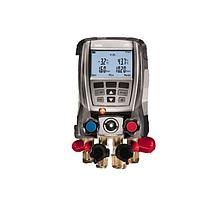
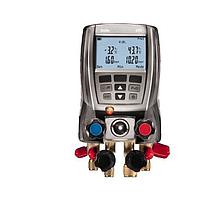
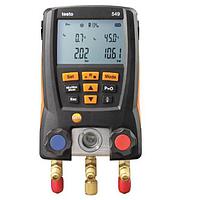
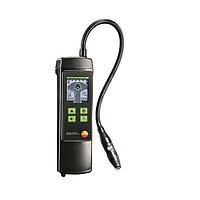
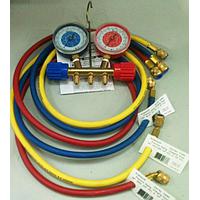
For example, products such as the TESTO 316-3 Refrigerant Leak Detector and TESTO 316-4 Set 1 are suited to refrigerant leak location in common service conditions. For users who also need pressure and temperature data, devices like the PCE HVAC 4 Manometer, PCE-HVAC 10 Manometer, and TESTO 550s digital manifold kits support broader system diagnostics. Where refrigerant handling is required during maintenance, the PCE RRM 250 and PCE-RRU 10 recovery devices extend the workflow beyond detection alone.
How to choose the right HVAC leak detector
Selection usually starts with the service environment and the refrigerants used on site. Some users mainly work on comfort cooling and standard air conditioning systems, while others handle mixed refrigeration applications, heat pumps, or varied service portfolios. In those cases, checking supported refrigerant types, sensitivity level, response behavior, and portability can help narrow the options.
It is also useful to consider how the detector will be used in practice. A compact handheld unit may be preferred for quick field inspections, while a model with flexible probe access and audible or visual alarms can be easier to use around coils, joints, valves, and confined installation points. If your maintenance work already relies on digital pressure instruments, pairing a detector with equipment from TESTO or PCE may simplify training and day-to-day use.
Representative products and their roles
The TESTO 316-3 Refrigerant Leak Detector is a practical option for identifying common refrigerant leaks in service and maintenance tasks. The TESTO 316-4 Set 1 extends this use case with broader detection coverage for common refrigerants and H2-based applications, making it relevant where flexibility is important across different jobs.
PCE also offers complementary instruments in this space. The PCE LD 1 CFC / HFC Refrigerant Gas Detector focuses on leak detection, while the PCE HVAC 4 Manometer and PCE-HVAC 10 Manometer support pressure and temperature measurement during diagnostics. For refrigerant recovery work linked to repair procedures, the PCE RRM 250 and PCE-RRU 10 fit the service chain where refrigerant must be removed before deeper intervention.
Mechanical service tools also matter in HVAC workflows. The MasterCool 71500 Hydra-Krimp supports hose-related work, and the SATA 97342 Stainless Steel Tube Bender can be relevant in tube routing and installation tasks. If your work involves a broader range of mechanical maintenance, you may also want to review assembly tools or selected power hand tools for related workshop operations.
Typical applications across maintenance and installation
These tools are commonly used in commercial air conditioning service, refrigeration unit maintenance, heat pump work, and general HVAC troubleshooting. A technician may begin by scanning suspected leak points, then confirm operating condition through manifold pressure checks and line temperature readings. If a repair is needed, refrigerant recovery equipment becomes part of the process before replacing components or reworking connections.
In installation and retrofit work, leak detectors are also valuable after assembly or reconnection. They help verify joints, fittings, and service ports before the system is returned to operation. For contractors handling repeated tubing and fitting work, mechanical support tools from brands such as MasterCool and SATA can complement the measurement side of the job.
What to consider for B2B purchasing
For industrial buyers, maintenance departments, and service companies, the decision is usually not based on one feature alone. It is more practical to evaluate the full service workflow: leak detection, pressure verification, temperature measurement, refrigerant handling, and the durability needed for repeated field use. Looking at the tool ecosystem can be more useful than comparing isolated product names.
It also helps to think about user familiarity, battery operation, portability, and whether the instrument will be used as a standalone device or as part of a wider HVAC toolkit. Teams that manage several technicians often benefit from choosing consistent interfaces and similar operating logic across instruments, especially when service speed and repeatability matter.
Supporting a more complete HVAC tool setup
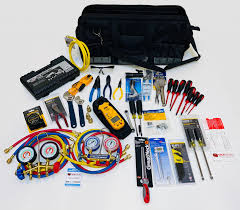
Leak detectors are most effective when they are part of a well-matched service kit. In practice, technicians often combine them with digital manifolds, temperature probes, recovery devices, and tubing tools to move from diagnosis to repair without unnecessary delays. That broader view is useful for buyers who want to standardize tools across maintenance teams or service vehicles.
Whether the requirement is a dedicated leak detector for routine inspections or a more complete set of HVAC service instruments, this category is structured to support practical selection. By comparing detection tools together with related pressure, recovery, and installation equipment, buyers can build a more reliable workflow for refrigeration and air conditioning service.
Choosing the right HVAC tool set starts with the actual service task: finding leaks quickly, confirming system condition accurately, and completing repairs with the right supporting equipment. This category helps narrow that choice by bringing together relevant instruments and service tools for refrigeration and air conditioning work in one place.
Get exclusive volume discounts, bulk pricing updates, and new product alerts delivered directly to your inbox.
By subscribing, you agree to our Terms of Service and Privacy Policy.
Direct access to our certified experts