What is the role of a dummy load for power supply testing?
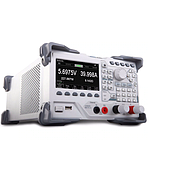
An Electronic Load is a critical testing device used to simulate real operating conditions for power supply testing. Instead of connecting an actual load such as a motor, battery, or electronic circuit, engineers use a DC electronic load to precisely control voltage, current, and resistance parameters. This approach improves safety, enhances repeatability, and delivers highly accurate measurement results.
As modern power supplies continue to increase in power density, efficiency requirements, and stability standards, the role of electronic loads in testing and measurement environments becomes increasingly important. In particular, the demand for Regenerative DC Electronic Loads is growing rapidly due to their advanced capabilities and energy-saving benefits.
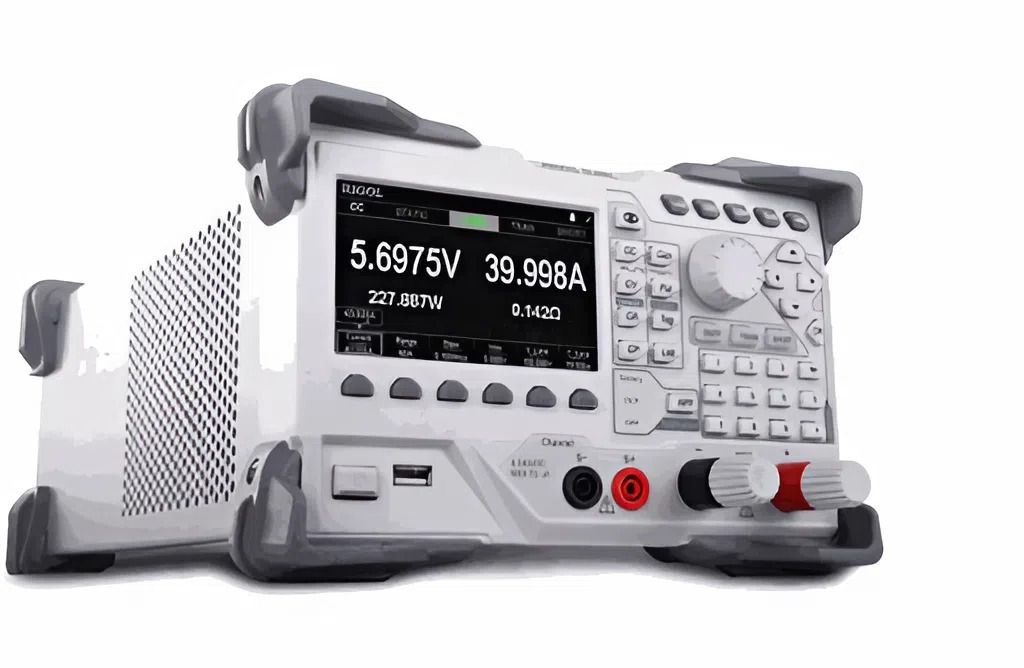
The introduction of Regenerative DC Electronic Load technology represents a major advancement in the power supply testing industry. Unlike conventional electronic loads that dissipate excess energy as heat, a regenerative DC electronic load enables energy recovery by converting absorbed DC power and feeding it back into the AC grid. This not only reduces energy waste and cooling requirements but also significantly lowers operating costs in high-power testing applications.
With high precision control, flexible operating modes (CC, CV, CR, CP), and energy recovery functionality, regenerative DC electronic loads are becoming the preferred solution for R&D labs, manufacturing lines, and quality control systems worldwide.This not only helps reduce operating costs but also provides significant benefits for companies that consume large amounts of electricity or perform continuous testing. By using an electronic load for power supply testing, engineers can evaluate voltage stability, current regulation, and load response performance. In addition, it allows verification of overload capability, transient response, and dynamic behavior—critical parameters for ensuring the reliability and performance of modern electronic devices.
With the rapid growth of high-power applications such as solar batteries, energy storage systems (ESS), programmable DC power supplies, and EV chargers, the demand for Regenerative DC Electronic Loads continues to increase. These advanced testing solutions enable efficient, precise, and energy-saving testing, making them essential tools for R&D, production, and quality assurance in today’s power electronics industry.
When Should You Use a Regenerative DC Electronic Load?
You should use a Regenerative DC Electronic Load when you are looking for an electronic load optimized for energy efficiency, operating cost, and testing scalability. More specifically, the following are typical use cases where regenerative electronic loads are the ideal solution.
In high-volume production testing environments
This is where a Regenerative DC Electronic Load fully demonstrates its advantages. When you need to test thousands of power supplies, EV chargers, or batteries every day, the amount of energy consumed and wasted by conventional electronic loads can be extremely high.
With regenerative technology, the consumed electrical energy is fed back into the power grid instead of being dissipated as heat. As a result, using a regenerative DC electronic load can significantly reduce electricity costs in production environments—whether calculated annually, monthly, or even hourly.
When Testing High-Power Applications
When working with high-power DC sources rated from several kilowatts (kW) and above—such as EV chargers, solar energy systems, or industrial DC-DC converters—traditional electronic loads generate a substantial amount of heat. This often requires full-capacity cooling systems or additional heat dissipation equipment, leading to increased operational costs.
In such cases, a Regenerative DC Electronic Load helps significantly reduce thermal stress in laboratories or production areas. By feeding energy back to the grid instead of converting it into heat, it lowers HVAC system costs and simplifies overall thermal management.
R&D Projects with Long Testing Durations
During research and development, engineers often need to run continuous tests for hours or even days. Ensuring stable operation, minimizing overheating risks, and improving energy efficiency throughout extended test cycles are key advantages of a Regenerative DC Electronic Load. By recovering and returning energy to the grid, it helps reduce energy waste and protects both the test equipment and the testing environment.
Companies Pursuing Sustainability and ESG Goals
For organizations committed to reducing carbon emissions and improving energy efficiency in their operations, adopting regenerative technology is a strategic and necessary step. In addition to lowering electricity costs, it also enhances brand reputation among investors, partners, and customers by demonstrating a commitment to sustainability and responsible energy use.
If your work is limited to small laboratories, low-power testing, or basic research applications, a conventional electronic load may be sufficient. However, if you operate in industrial environments, perform high-power testing, or aim to reduce long-term energy costs, a Regenerative DC Electronic Load is a far more efficient and economical solution.
In fact, regenerative DC electronic loads are gradually becoming the global standard. Leading manufacturers such as Keysight Technologies, ITECH Electronic, as well as electronics manufacturing facilities worldwide, rely on electronic loads to ensure power supplies meet strict performance and safety standards before real-world deployment. This is especially critical as modern electronics demand higher efficiency, greater stability, and increasingly stringent safety requirements.
In Vietnam, EMIN is one of the leading suppliers of genuine Regenerative DC Electronic Loads from reputable global brands, offering solutions suitable for both basic and advanced testing requirements.
If you are looking for an optimized solution for power supply testing or need expert advice on selecting the most suitable electronic load, EMIN’s technical team is always ready to support you with professional consultation and application-specific recommendations.