To make the right choice, you should start by considering the substance to be extracted, the required vacuum level, and the operating environment, rather than focusing solely on power output or price
What is the difference between oil-lubricated vacuum pumps and oil-free diaphragm pumps?
Oil-lubricated vacuum pumps use oil to lubricate, seal, and assist in cooling internal components. Consequently, many models can achieve deep vacuum levels and maintain strong suction power in industrial applications.
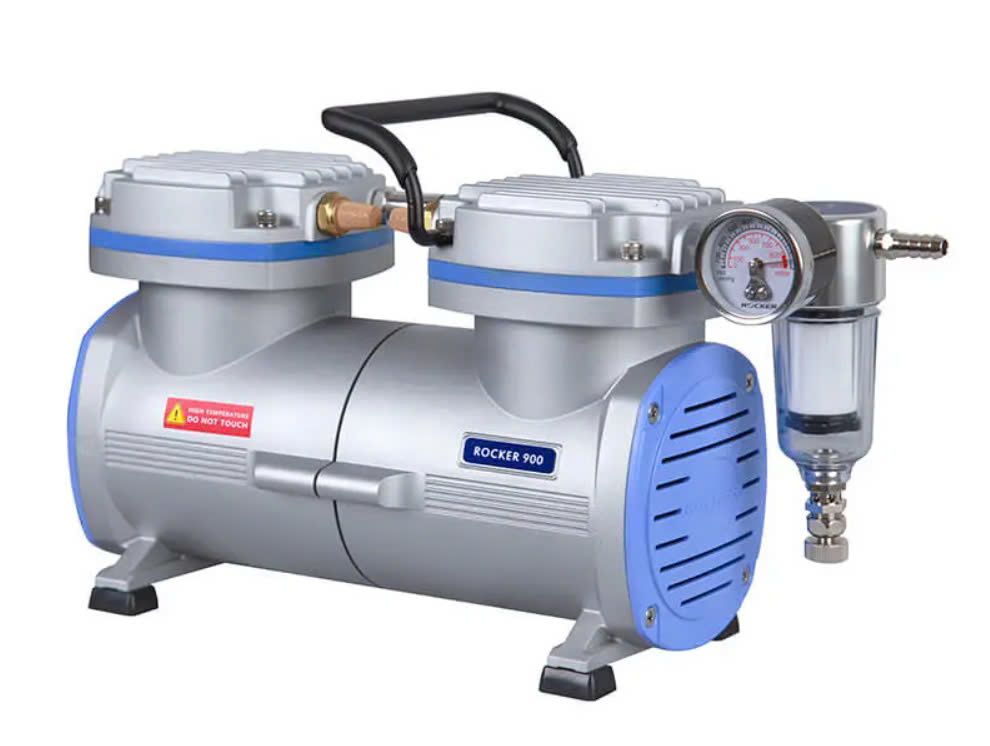
In contrast, oil-free diaphragm pumps generate a vacuum through the movement of a diaphragm and do not require lubricating oil within the pump chamber. This design prevents oil vapors from back-streaming into the intake line and eliminates the need for periodic oil changes.
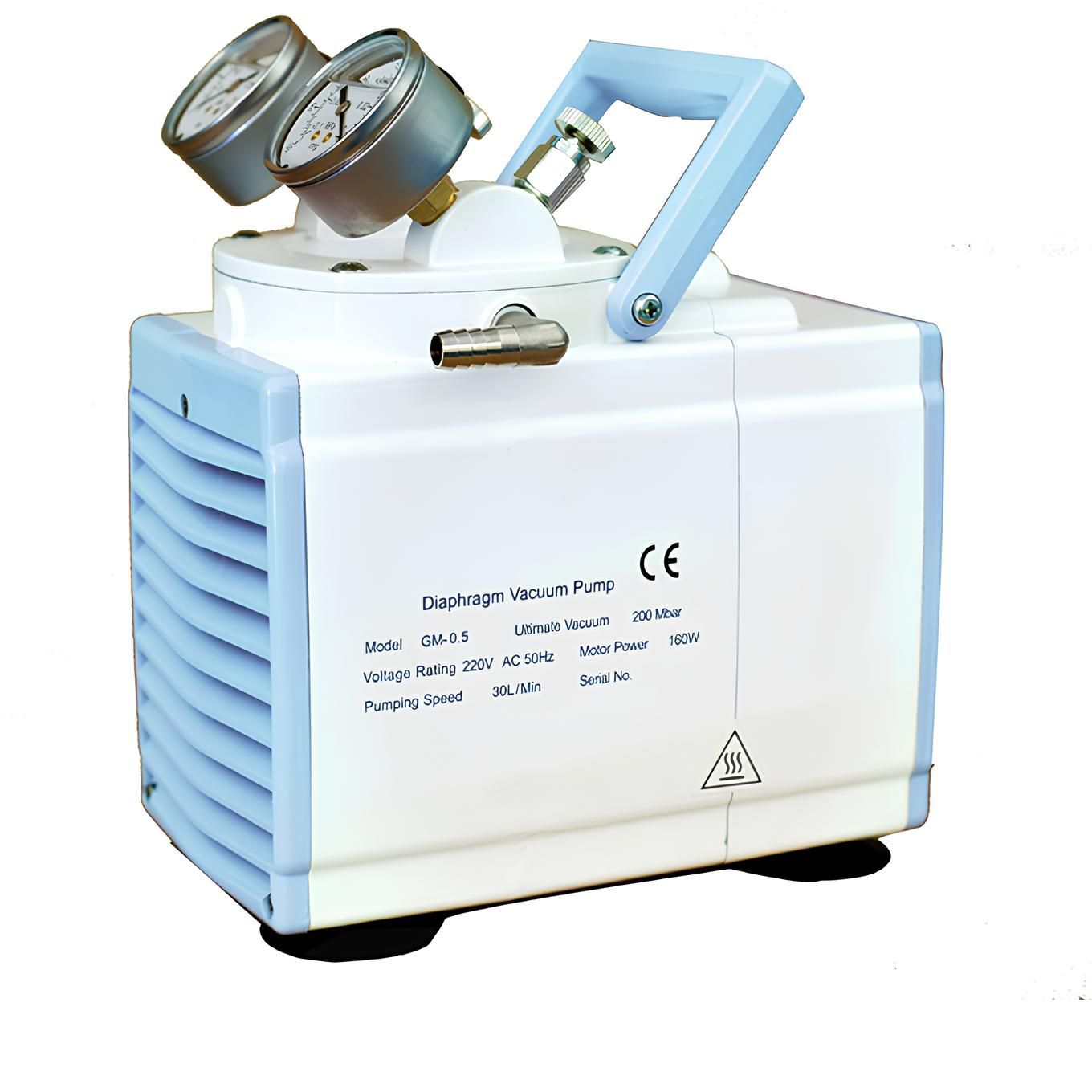
The difference between the two types lies in their vacuum-generation methods and system requirements, rather than simply which one is "better."
Laboratories, chemical facilities, and pharmaceutical plants often prioritize oil-free diaphragm pumps
Laboratories often require a clean, easily controllable system that minimizes the presence of substances capable of contaminating samples. Oil-free diaphragm pumps are well-suited for this requirement because they do not use oil within the pump chamber.
Acid vapors, organic solvents, and other chemicals can cause rapid degradation of vacuum pump oil. When processes frequently generate such vapors, oil-lubricated pumps may require more frequent maintenance and constant monitoring of oil quality.
Diaphragm pumps constructed from chemically resistant materials such as PTFE are commonly used in chemical, laboratory, microbiological, and pharmaceutical applications. The absence of oil in the intake path also reduces the risk of oil vapors contaminating samples or the surrounding environment.
Packaging and lifting operations require strong suction force, an area where oil pumps typically hold the advantage
Vacuum packaging machines, plastic forming equipment, and glass or wood handling systems often require deep vacuum levels combined with rapid evacuation capabilities.
Oil-lubricated vacuum pumps are typically well-suited for these applications due to their ability to generate low pressures and maintain strong suction. The internal oil lubricates moving parts and aids in sealing, enabling the equipment to achieve deeper vacuum levels than many diaphragm pumps in the same class.
While diaphragm pumps are effective for many vacuum tasks, they are not the optimal choice when a system demands very deep vacuum levels or high suction flow rates.
Oil pumps require oil changes, while diaphragm pumps require monitoring of the diaphragm and valves
Both types of pumps require maintenance, though the specific components requiring attention differ.
For oil-lubricated pumps, users must monitor oil levels and quality. Oil that has degraded or become contaminated with impurities can compromise lubrication and sealing performance. The oil separator filter also requires inspection to minimize oil mist escaping through the exhaust.
Diaphragm pumps do not require oil changes, yet the diaphragms and valves have a limited service life. Exposure to dust, chemicals, or overloading can accelerate diaphragm degradation. A torn diaphragm typically results in a significant drop in suction power, necessitating replacement. Oil pumps require maintenance of the oil system, whereas diaphragm pumps require monitoring of the diaphragm and valve conditions.
Which runs more quietly: an oil-lubricated vacuum pump or an oil-free diaphragm pump?
Oil-lubricated pumps generally operate more quietly and smoothly, as the oil lubricates moving parts.
Diaphragm pumps generate a vacuum through the continuous reciprocating motion of the diaphragm; consequently, some models may produce more noticeable mechanical noise or vibration. Noise levels also depend on the pump's design, operating speed, and installation method.
For small, enclosed laboratories, noise level is a key factor when selecting a pump. In contrast, industrial facilities typically prioritize suction power, flow rate, and the ability to operate continuously.
Considering total costs, which pump is more cost-effective?
Oil-free diaphragm pumps typically have a higher initial purchase price compared to oil-lubricated pumps of the same flow rate. Manufacturing costs for diaphragms, valves, and chemical-resistant materials contribute to the equipment's price.
In return, diaphragm pumps do not require periodic oil changes. While oil-lubricated pumps may be more affordable to purchase initially, they incur additional costs for oil, filters, and maintenance over time.
Therefore, the initial purchase price does not reflect the total cost of ownership. Operating frequency, the suction environment, and the maintenance schedule are the factors that determine which pump type is more economical for a specific application.
What problems can arise from choosing the wrong vacuum pump?
Installing a diaphragm pump in a system requiring a deep vacuum may result in long times to reach the target level or a failure to achieve the necessary pressure.
Conversely, using an oil-lubricated pump in processes involving acid vapors or solvents, or in applications requiring a clean environment, can lead to rapid oil degradation, odor generation, and adverse effects on the process.
Suction flow rate alone is insufficient for pump selection; the type of gas to be evacuated, the required vacuum level, and the operating environment must all be considered simultaneously.
Related articles:
Why is the vacuum pump making a loud noise? 6 common causes and how to fix them immediately.
Which Vacuum Pump Should You Choose for a Microbiology Lab to Avoid Affecting Samples?
Should you choose an oil-lubricated vacuum pump or an oil-free diaphragm pump?
Laboratories, as well as chemical, medical, pharmaceutical, and food processing sectors, typically prioritize oil-free diaphragm pumps to avoid oil vapors and better handle corrosive gases.
Conversely, applications involving packaging, plastic forming, lifting, or requiring deep vacuum levels generally favor oil-lubricated vacuum pumps due to their ability to achieve lower pressures and maintain strong suction.
For applications falling between these categories, factors such as the type of gas to be evacuated, the required vacuum level, flow rate, and maintenance needs will help determine the most suitable pump model. You can contact EMIN for advice tailored to your specific application before selecting equipment.