For full functionality of this site it is necessary to enable JavaScript.
EMIN.COM.MM
0

What is the valence of copper (Cu)? Practical applications of copper (Cu)

02/03/2026 10:38:07

Amidst significant price fluctuations in precious metals like gold, copper (Cu) is also attracting considerable attention due to its irreplaceable role in the green economy. Understanding its chemical nature, particularly its valence levels, will help us accurately assess the potential and applications of this "red gold" in modern production.

The chemical nature and valence levels of copper (Cu)

Copper (Cu) belongs to the group of transition metals, with an atomic structure that allows it to exist flexibly in many different states. In common reactions, copper usually exhibits two valence levels: 1 and 2.

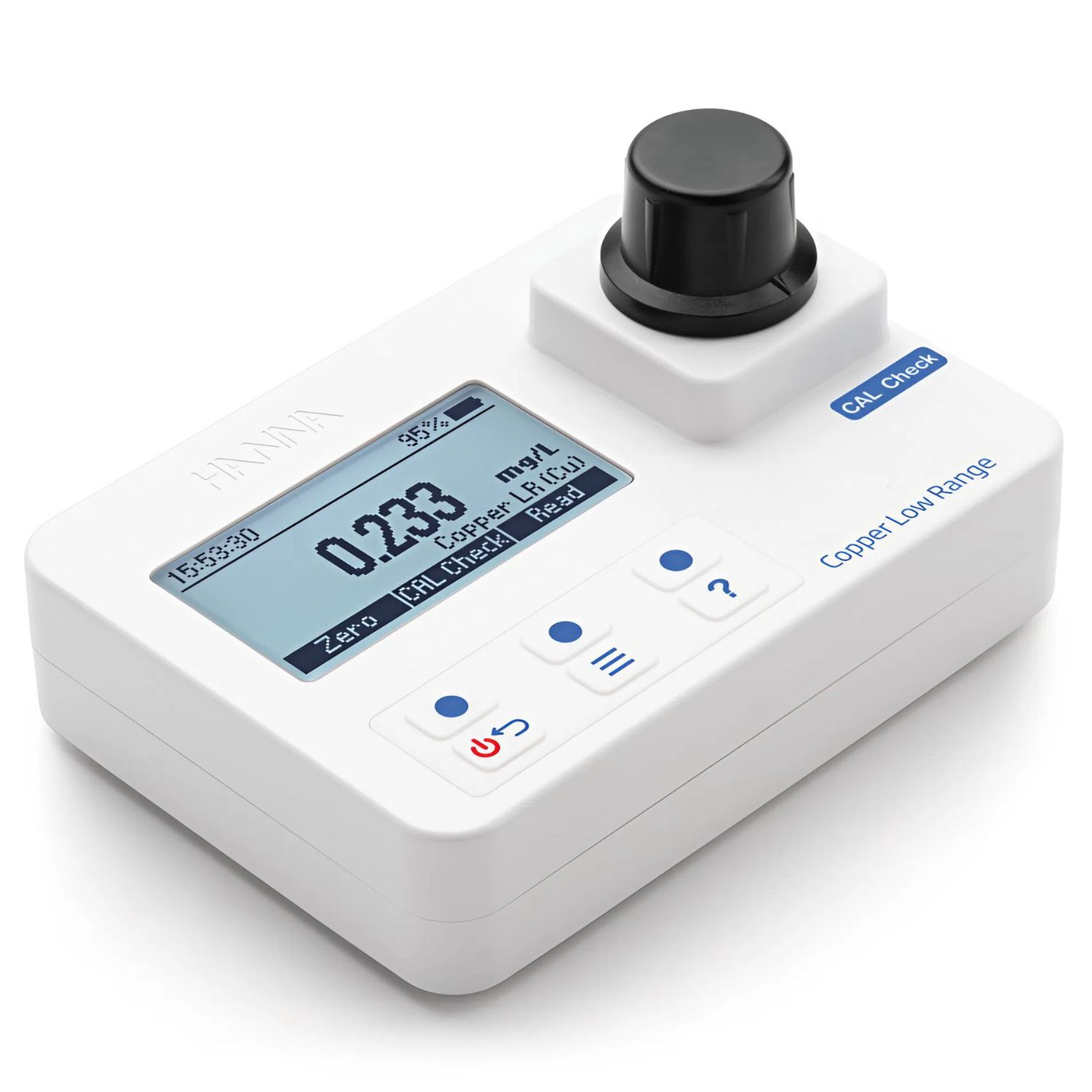
The valence of 2 is present in most common compounds such as copper(II) oxide (CuO) or copper salts used in industry. In contrast, the valence of 1 is less common and only stable under specific environmental conditions. This valence variability is crucial for technicians using testing equipment like the Hanna HI747 to accurately analyze the copper ion content in metal surface treatment solutions.

A core role in the electricity and new energy industry.

Along with the rise of valuable assets like gold, copper (Cu) has been dubbed the "barometer" of the economy. Its superior electrical conductivity makes it the backbone of power grids and high-tech equipment. Most types of wires, telecommunication circuit boards, and electric vehicle motors depend entirely on the purity of the copper core.

The malleability and ductility of copper make the manufacturing process of components much more convenient than with other metals. The scarcity and high demand for pure copper (Cu), similar to the current market appeal of gold, necessitates strict monitoring of copper concentration during the smelting process using modern photometric measuring instruments such as the Hanna HI97747 to ensure the output quality meets standards.

Applications in water supply systems and civil engineering.

In construction, copper (Cu) is favored due to its natural corrosion resistance and superior antimicrobial properties. Copper (Cu) piping systems are not only durable for decades but also help eliminate harmful microorganisms, keeping drinking water safe.

However, controlling copper residue in water sources is essential to avoid harming human health. Quick test kits like the Hanna HI3847 are often used to closely monitor this concentration, ensuring that this precious metal only provides benefits and does not cause adverse effects due to excessive leaching from pipes into the water supply.
Copper (Cu) makes a significant contribution to medicine and the arts.

The appeal of copper (Cu) also extends to the fields of medicine and jewelry. The antibacterial properties of copper ions are invaluable in the manufacture of surgical instruments or contact surfaces in hospitals to prevent infection.

In art, this metal offers a warm, luxurious beauty comparable to gold, but with the ability to develop a unique green patina over time. This chemical transformation is what gives sculptures their distinctive aesthetic value. To maintain the shine and control the copper (Cu) plating solutions during crafting, handheld measuring devices like the Hanna at EMIN are often used to monitor the solution concentration flexibly and effectively.

Demand for copper (Cu) is soaring, driven by global investment in precious metals. Understanding even the most basic principles, such as its valency, as well as the use of appropriate concentration monitoring tools, will help optimize the efficient use of this strategic material in the future.

Related News

Which Vacuum Pump Should You Choose for a Microbiology Lab to Avoid Affecting Samples?
07/15/2026 14:45:07

Vacuum pumps are utilized in a wide range of microbiology laboratory procedures, from membrane filtration and the aspiration of supernatants following centrifugation to sample concentration and the support of negative-pressure systems. Selecting the appropriate pump not only ensures more stable operational processes but also minimizes the risk of sample contamination, reduces maintenance costs, and extends the equipment's lifespan

QCVN 25:2025/BKHCN Takes Effect: Do Businesses Need to Prepare Electrical Safety Testing Equipment?
07/15/2026 09:15:04

Electrical safety is consistently one of the primary criteria evaluated before electrical or electronic equipment—or industrial components—are released to the market. A product may operate reliably yet still fail to meet requirements if its insulation lacks sufficient durability, its grounding resistance exceeds permissible limits, or leakage current occurs during operation.

Why Is Associated Research Considered an Icon of Hipot Technology?
07/14/2026 09:05:30

When it comes to electrical safety testing equipment specifically Hipot testers—many QA/QC and testing engineers are familiar with the globally renowned brand Associated Research. A subsidiary of the parent company IKONIX, Associated Research (ARI) invented the world's first commercial Hipot tester.

What Is the Standard 3-Phase Voltage? How to Read Cabinet-Mounted Meters Without Errors
07/13/2026 15:09:18

Voltmeters are almost invariably found on the panels of electrical cabinets in factories, power stations, or generator systems. A glance lasting just a few seconds allows an operator to determine whether the power supply is stable or showing signs of abnormality. However, not everyone understands the significance of the displayed readings, particularly regarding three-phase electrical systems.

Distinguishing between ARI’s Hypot, HypotUltra, and HypotMax: Which device is right for your factory?
07/13/2026 09:48:30

Few people realize that the concept of the "Hipot Test"—or electrical safety testing—has long existed within the electrical equipment manufacturing industry. Driven by the growing need to verify the voltage withstand capabilities of conductors, motors, and electrical devices, the industry required a robust and virtually fail-safe method to detect insulation weaknesses before products reached the market.

Stay Updated with Offers

Get exclusive volume discounts, bulk pricing updates, and new product alerts delivered directly to your inbox.

By subscribing, you agree to our Terms of Service and Privacy Policy.

Quick Support

Direct access to our certified experts