In most QC rooms, measurement rooms, and mechanical inspection areas today, natural black granite surface plates are very common. From small surface plates used for simple detail inspection to large measurement systems in precision component manufacturing plants, black granite has become the familiar choice.
It's no coincidence that this type of stone is so widely used. Behind its seemingly simple, matte black surface lie many properties suitable for precise measurement environments that ordinary materials cannot completely replace.
What exactly is granite?
Granite is a natural stone formed from the slow cooling of magma deep within the Earth. The crystallization process takes a very long time, creating a dense and hard crystalline structure, giving the material excellent strength, abrasion resistance, and shape stability.
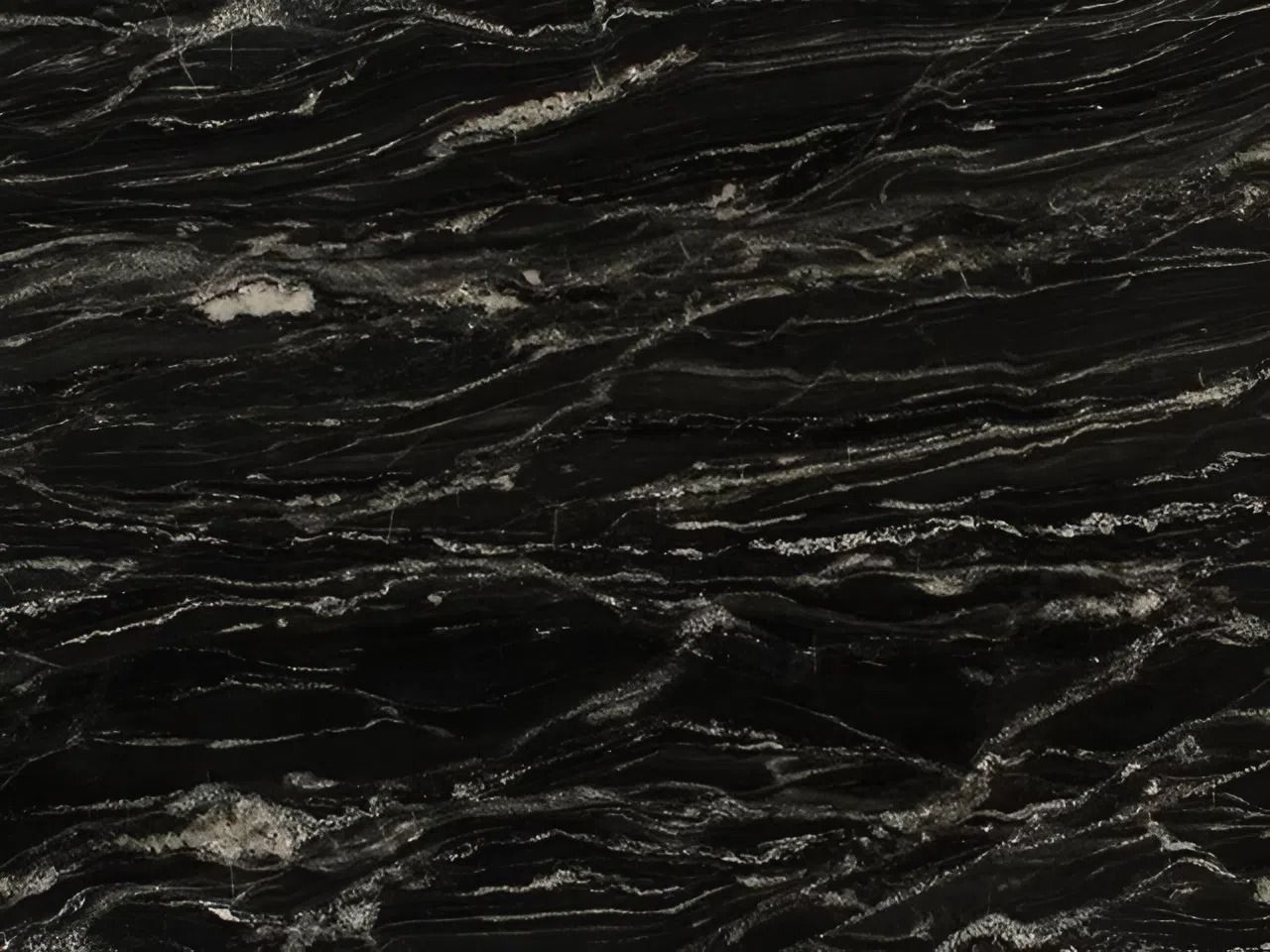
In interior design, granite is commonly known for its high durability and scratch resistance in kitchen countertops, stairs, or flooring. However, in the field of mechanical measurement, a different set of granite characteristics becomes more important, particularly its surface stability and ability to resist deformation over time.
This is why natural black granite is often chosen for machining Granite surface plate, measuring instrument bases, or standard surfaces in quality control laboratories.
Why are map boards often preferred over metal, specifically black granite?
At first glance, many people might think that metal is harder and more suitable for mechanical environments. However, in precision measurement, hardness isn't the only factor. A surface used for measurement needs to be stable over long periods, minimally deformed by ambient temperature changes, and resistant to small vibrations during operation. This is where granite excels.
Compared to cast iron or steel, natural granite exhibits less thermal expansion under typical laboratory conditions. When ambient temperatures change slightly, the stone surface remains relatively stable, resulting in less impact on measurement accuracy.
Furthermore, granite does not oxidize like metal. For surveying Granite surface plate used for many years in high-humidity environments, this helps the surface degrade less if properly maintained.
Another important point is the natural vibration damping ability of the stone. When placing workpieces or measuring instruments on a granite surface, small vibrations are generally absorbed better than on a metal surface. In measurements requiring high precision, this difference can sometimes significantly affect the stability of the results.
Why is black so prevalent on granite map tables?
Natural granite comes in a variety of colors such as gray, red, or dark blue. However, in the mechanical measurement industry, black granite is still the most commonly used.
Part of the reason stems from the material's structure. Black granites typically have a more uniform grain density and a denser texture, resulting in a more stable surface after processing during long-term use.
The black surface also makes it easier to observe the details being measured. When using dial gauges, gauge blocks, or bright metal parts, the black granite background creates a clear contrast, making inspection operations more visually pleasing.
In addition, the smooth, matte black granite helps reduce strong light reflections from the measurement room lights. This may seem minor, but for those working in QC or performing measurements continuously for many hours, a more comfortable viewing experience significantly impacts practical operations.
To what extent does the flatness of a surface plate depend on the material?
In precision mechanical measurements, the reference surface is almost the foundation of the entire inspection process. If the Granite surface plate surface is not sufficiently stable or undergoes slight deformation over time, errors can occur even if the measuring instrument remains accurate.
Granite helps to mitigate this risk due to its low warping and resistance to deformation under normal use conditions. After machining and leveling, the granite surface can maintain stability for a considerable time if not subjected to strong impacts or sudden temperature changes.
This is also why many QC departments, laboratories, or equipment calibration areas often prefer granite surface tables over conventional metal surfaces.
In many precision machining plants, surface tables are used not only for flatness inspection but also for parallelism, perpendicularity inspection, jig and fixture inspection, or to assist in aligning parts before assembly.
Is granite really as "durable" as many people think?
Despite its high durability, granite still requires proper maintenance to ensure long-term accuracy.
The surface of the surface plate can still experience localized wear if heavy workpieces are continuously dragged across it or if concentrated loads are placed on it for extended periods. In some cases, placing the plate near strong vibration sources or in environments with constantly changing temperatures can also cause a gradual decrease in stability over time.
Furthermore, dust or small metal particles on the surface can directly affect measurements. Even a tiny dust particle between the workpiece and the reference surface can sometimes create an error that is difficult to detect with the naked eye.
Therefore, in professional measurement labs, surface plates are usually thoroughly cleaned before use and periodically checked for flatness to ensure their initial stable condition.
Related article:
Proper maintenance of MAP tables can increase their lifespan by 2–3 times
Should you choose a stone or cast iron map table?
Why is granite still widely used despite the increasing prevalence of modern measuring instruments?
Many businesses now use automated measuring machines, CMM coordinate measuring machines, or highly accurate 3D scanning systems. However, granite surface plates have not disappeared from the inspection area.
The reason is that most precision measuring equipment still requires a stable platform to operate effectively. Many modern measuring systems still use granite surfaces or combine them directly with granite reference surfaces to reduce vibration and maintain stability during measurement.
In addition, many practical inspection operations in production still require manual work, such as surface leveling, individual part inspection, fixture alignment, or quick comparison during machining. In such tasks, surface plates are still very difficult to completely replace.
That is also why, despite increasingly modern measurement technology, granite still plays a very important role in many QC rooms, laboratories, and quality control areas today.